
Share this tool:
 |
Description:
FLUX.2 is the latest image generation model from Black Forest Labs, the same team behind the original FLUX.1 that made a lot of people stop and pay attention.
This version pushes things further. We are talking faster generation times, better text rendering, sharper photorealism, and multi-reference support that lets you feed in up to ten reference images at once to keep characters, products, or brand assets consistent across a whole campaign.
Before we head to the prompts and samples, there are five available versions of FLUX.2 that you need to know:
| Variant | Best For | Key Strength |
|---|---|---|
| [max] | Final hero images, luxury campaigns | Highest fidelity, strongest reference stability |
| [pro] | Production workflows at scale | Best overall balance, doubled in speed with no quality loss |
| [flex] | Typography, packaging, detail-heavy work | Adjustable steps up to 50, tunable guidance controls |
| [dev] | Self-hosting, privacy-sensitive workflows | Full local ownership, same reference support as hosted |
| [klein] | Rapid prototyping, real-time iteration | Sub-second generation, genuinely respectable quality for its speed class |
Rather than spending pages on spec sheets, this review moves straight into actual prompts and results across different categories. That is where you will get the clearest picture of what this tool can actually do.
This first category covers the kind of visuals creators and marketers need constantly, podcast artwork, YouTube thumbnails, social media graphics.
Prompt used:
"A high-end podcast cover artwork for a show called Build Better, featuring a centered portrait of a confident male host in a tailored smart-casual or business outfit, styled like a modern entrepreneur or thought leader. Use a deep navy background with elegant warm gold accents, supported by subtle studio lighting, soft shadows, and a premium editorial composition. The typography should be bold, clean, and modern, with BUILD BETTER as the main focal text, designed for most clarity and branding impact. Add understated background details such as abstract lines, soft glow accents, faint architectural or growth-inspired shapes, or minimalist layered textures to reinforce the business and mindset theme. The final design should feel luxurious, polished, trustworthy, and motivational, with a clean professional brand identity suitable for podcast platforms, social media promotion, and launch graphics."
For podcast artists and content creators, this is a solid starting point. You might tweak colors or font weight in post, but the core layout, the mood, the brand feel, that is all there from a single prompt.

Prompt used:
"Create a high-converting YouTube thumbnail for a tutorial about AI image generation. Include a surprised creator on one side, a polished AI-generated artwork on the other side, bold headline text Best AI Image Tool?, strong contrast, bright accent colors, clean composition, large readable text, modern YouTube thumbnail style."
YouTube thumbnails live or die on clarity at small sizes. The things to check are contrast, text size, and whether the composition reads quickly. This style of output saves hours for solo creators who produce content regularly.

Prompt used:
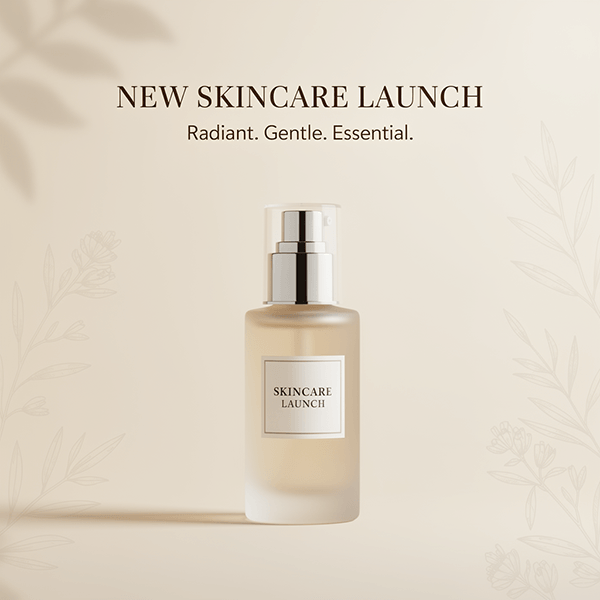
"Create a social media promotional graphic for a new skincare product launch. Premium beauty branding, elegant product bottle at center, soft beige and cream palette, minimal shadows, modern editorial layout, clean headline area, subtle botanical accents, square Instagram post, polished commercial look."
What this sample shows is that FLUX.2 understands commercial beauty aesthetics. The lighting is soft, the shadows stay minimal, and the overall feel has that editorial quality that works well on Instagram feeds.
Practical note: If you have a real product, this kind of prompt is great for generating lifestyle context and campaign mockups before you invest in a full photography shoot. It is fast, it is convincing, and it gives clients or stakeholders something to react to.
This category covers higher-stakes commercial work, food photography, real estate marketing, restaurant promos, and event banners.
Prompt used:
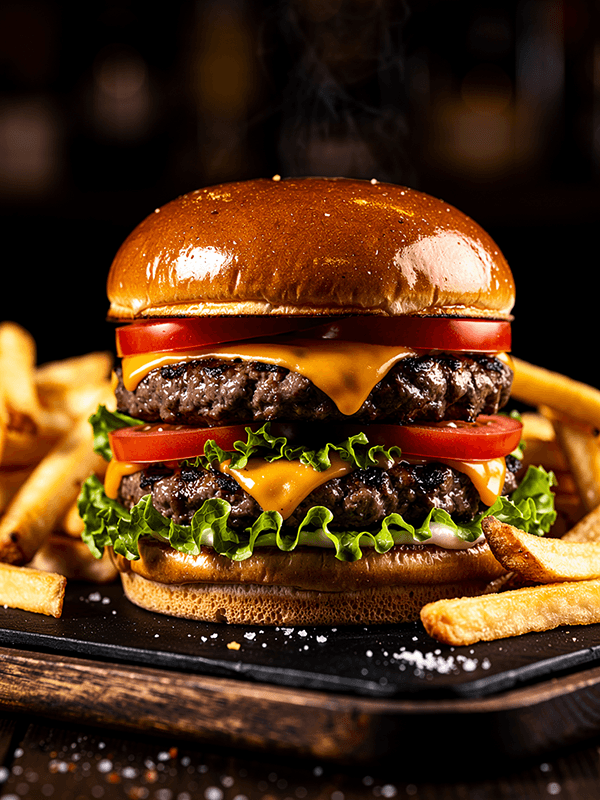
"A luxury burger promotional image featuring a stacked gourmet cheeseburger with a thick flame-grilled beef patty, gooey melted cheese, crisp lettuce, fresh tomato, and a lightly buttered toasted brioche bun, served with golden crispy fries on a rustic tray or dark serving board. Style the image as professional food advertising photography with warm directional lighting, rich shadows, and a dark restaurant-inspired backdrop to create a bold premium mood. Emphasize juicy textures, glistening ingredients, realistic food styling, and cinematic close-up composition so the burger looks indulgent, fresh, and highly desirable for a modern restaurant or menu campaign."
This is the kind of output that makes food photographers slightly nervous.
The layering on the burger is realistic. The beef patty has the right sear texture, the cheese has that convincing melt to it, the brioche bun has visible buttering on the crust.
Where FLUX.2 can occasionally slip in food shots is spatial logic. Ingredient stacking can look slightly off, and proportions can drift a little.
But the visual quality here meets a commercial standard.
For menu graphics, social ads, and restaurant promotional material, this is genuinely usable output.
Prompt used:
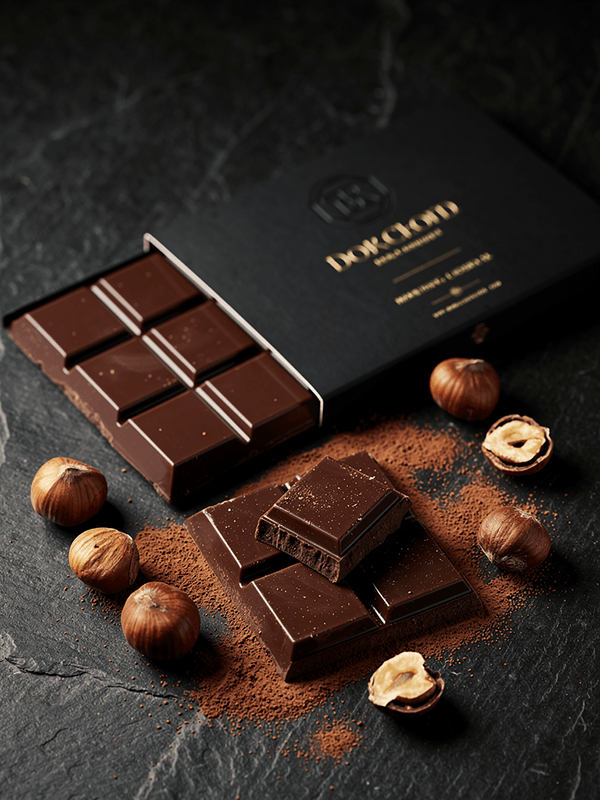
"Photorealistic luxury chocolate poster-style product shot of a dark chocolate bar snapped into many pieces, with fine cocoa powder drifting across the surface, scattered hazelnuts, delicate crumbs, and premium branded packaging arranged in a polished editorial layout. Use dramatic low-key lighting, warm brown highlights, and rich shadow depth to create a sensual, indulgent atmosphere. Focus on high-detail texture, elegant product presentation, premium food styling, and clean commercial composition suitable for a marketing campaign, packaging mockup, or gourmet brand advertisement."
The low-key lighting here does a lot of heavy lifting. Dark background, warm highlights catching the texture of the chocolate bar, it creates exactly that rich, indulgent mood that premium chocolate brands go for.
For a gourmet food brand, a confectionery company, or a social media campaign for a chocolate product, this is production-quality output. You could drop this into a packaging mockup or a digital ad without further work.
Prompt used:
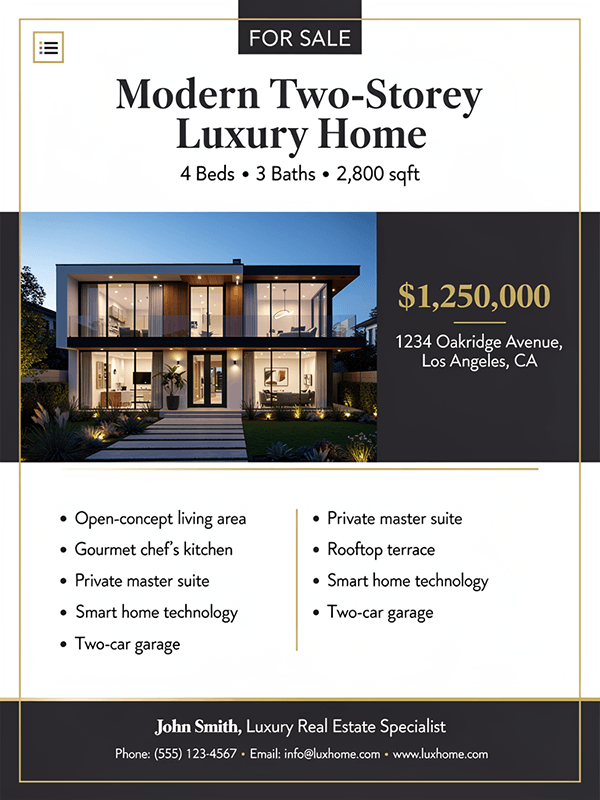
"Create a premium real estate flyer for a modern two-storey home listing. Include a large hero image of the house, clean layout for price, location, and key features, elegant sans-serif typography, white and dark charcoal palette with gold accents, highly readable text, luxury property marketing design, print-ready vertical layout."
Real estate marketing lives on first impressions. The property hero image dominates the layout correctly, the text areas are clearly defined, and the white-charcoal-gold palette reads as premium without being overdone.
Verification note: Check the text content carefully on outputs like this one, since specific details like address, price, and features need to be accurate. Use this as a layout starting point, then bring it into a design tool to drop in real property data.
Prompt used:
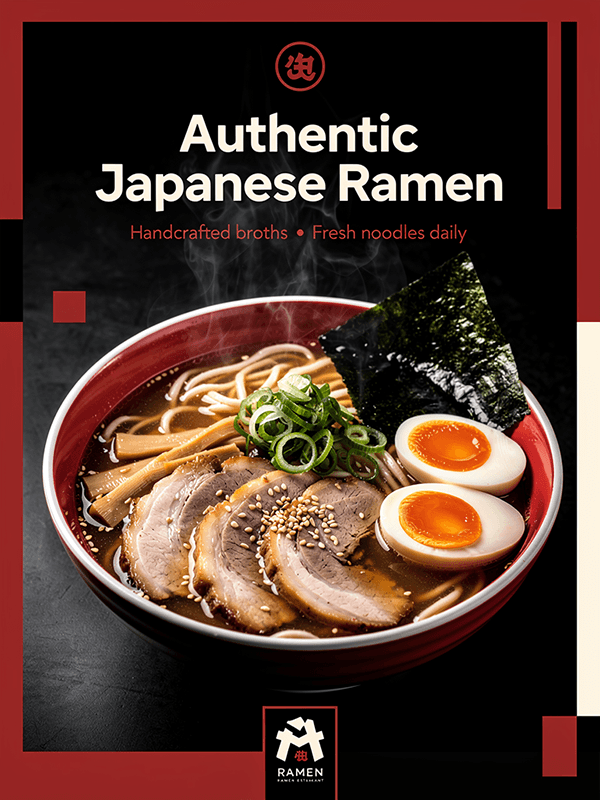
"Create a promotional poster for a ramen restaurant. Large hero bowl of ramen with visible steam, bold headline Authentic Japanese Ramen, smaller supporting text below, warm red and black palette, modern restaurant branding, clean layout, crisp typography, appetizing food photography style, vertical poster."
Restaurant owners or marketing agencies producing promotional materials will find this output is close to ready. Minor text refinement and your own branding applied on top, and you have a working poster.
Prompt used:
"Create a professional webinar banner for an online event about productivity and automation. Include the title Work Smarter with AI, date, speaker name, and a clean call-to-action area. Modern corporate design, blue and white palette, polished digital branding, highly legible text, wide banner format."
Corporate event banners need to talk several pieces of information at once without visual chaos. FLUX.2 handles the wide horizontal format correctly, and the blue-and-white palette stays clean and professional.
The visual hierarchy is suitable. Main title is largest, supporting details follow in descending size and the call-to-action area is separated clearly. This reads well at the sizes these banners typically appear in, email footers, landing pages, and social media headers.
Verification note: Text accuracy in event banners matters a lot. You want the right name, date, and title showing up on the final.
Verify these carefully before using the output directly.

This is one of the most scrutinized areas in AI image generation. Faces, hands, skin, natural posture, these are the areas where models tend to fall down, and where FLUX.2 is making the most noticeable improvements.
Prompt used:
"Photorealistic portrait of a woman sitting beside a large window in soft afternoon light, natural skin texture, subtle peach fuzz, realistic eyes, believable facial proportions, relaxed candid expression, delicate fabric folds on clothing, shallow depth of field, high-end lifestyle photography."
The skin texture is the first thing to check, and it passes. There is visible pore texture, subtle variation in skin tone, natural imperfections. These are the things that make a face look like a real face as opposed to a rendering of one.
The face does not look idealized in that AI way where everyone ends up looking like a polished composite. This is the kind of portrait output that works for lifestyle advertising, wellness content, editorial photography stand-ins, and social media imagery.

Prompt used:
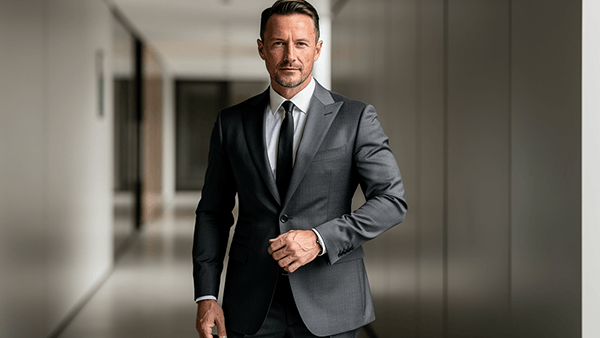
"Photorealistic portrait of a man in a tailored charcoal suit standing in a modern hallway, natural posture, realistic hands, subtle skin imperfections, crisp fabric texture, clean directional lighting, luxury fashion campaign photography, refined and believable."
Full-body composition adds complexity because now we are looking at proportional relationships across the whole figure. Head to torso to legs, arm length, natural stance weight.
The suit tailoring renders with precision. Fabric texture on the charcoal material catches the directional light with realistic behavior.
Hands, historically the most commonly broken part of AI human generation, hold up here. Fingers are present in the fix number and roughly accurate in proportion.
At this level of rendering quality, hands are no longer an automatic giveaway of AI generation, though they still reward a second look in close-up shots.
Prompt used:
"A young child blowing soap bubbles in a sunlit garden, natural joyful expression, realistic curly hair catching sunlight, accurate hand position, floating translucent bubbles, shallow depth of field, warm candid family photography, highly realistic and emotionally natural."
Children are harder than adults because the proportional differences are more specific. Larger head-to-body ratio, rounder facial features, different limb proportions.
Getting these wrong is immediately obvious.
The child in this output has proportions that read as authentic childhood as opposed to an adult face shrunk down. The curly hair has individual strand behavior catching the sunlight correctly.
For family brands, childrens product marketing, or educational content, this output shows that FLUX.2 handles age-specific human realism well.
Prompting tip: Describe the pose, position, and hand details explicitly. The more specific you are, the better the anatomy tends to behave.

Product photography is one of the most commercially valuable applications for AI image generation, and this category tests FLUX.2 across three different product types.
Prompt used:
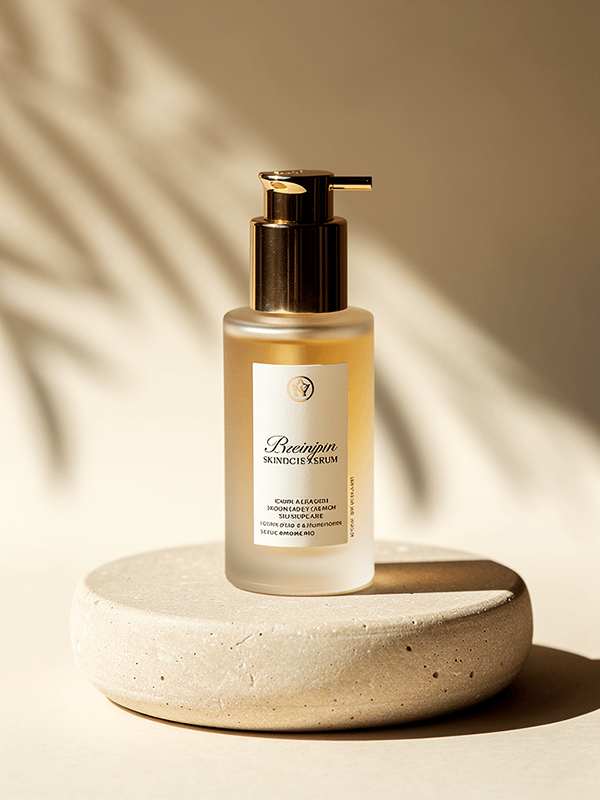
"A luxury skincare serum bottle standing on a beige stone pedestal with soft natural sunlight, subtle leaf shadows, creamy neutral background, elegant beauty campaign style, premium product photography, highly detailed reflections, realistic packaging, clean composition, commercial advertising look."
Product hero shots live on clarity. The product has to be the unambiguous star of the image. FLUX.2 gets this right.
This is the style of output that brands use for website hero images, product launch campaigns, and ecommerce listings. Generating this kind of image with a photographer and studio setup takes hours and significant budget.
With the right prompt, FLUX.2 delivers it in seconds.
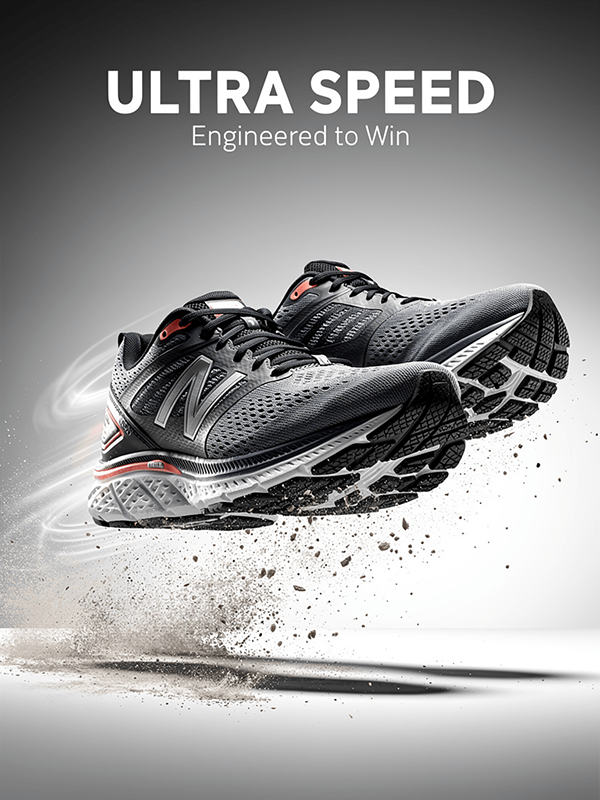
Prompt used:
"High-energy sports advertising image of modern running shoes mid-motion with dust and subtle motion trails, dramatic studio lighting, bold athletic brand aesthetic, premium ecommerce campaign, sharp materials, dynamic angle, clean background space for headline text."
Athletic product advertising has its own visual language. Energy, movement, bold contrast.
This prompt asks FLUX.2 to operate in that space.
The dynamic angle makes the shoes read as active as opposed to static. The dust and motion trails are rendered with physical plausibility.
They scatter in the right direction and at the right scale relative to the shoe size.
The dramatic lighting makes materials pop. The mesh texture, the rubber soles, the synthetic upper materials each read distinctly.
The background is clean and provides space for headline text, which is exactly what a production ecommerce banner needs. This output is ready to hand to a designer to overlay brand copy and call-to-action elements.
Prompt used:
"Create a photorealistic lifestyle advertisement featuring a sleek modern smartwatch worn by a young professional seated in a stylish contemporary workspace. The person should appear natural and polished, with realistic skin tones, subtle hand detail, and a relaxed but confident pose, as if checking notifications, tracking productivity, or reviewing their schedule during work. The setting should include a clean minimal desk, a laptop or notebook, and a refined modern office interior with large windows allowing soft natural sunlight to pour in, creating beautiful highlights and gentle shadows across the scene. Focus on the smartwatch as the hero product, ensuring the watch face is clearly visible and elegantly designed, while the rest of the workspace remains tasteful and uncluttered. Use premium commercial photography styling, shallow depth of field, soft background blur, and polished lighting to create a luxury tech campaign aesthetic that feels modern, aspirational, and realistic."
This is the most complex single prompt in this category. It asks FLUX.2 to simultaneously handle human realism, product photography, environmental staging, and commercial photography technique all in one image.
Here is what to look for in the result. The people hand and wrist area, where the watch sits, is rendered with natural anatomy.
The watch face is visible and legible, which is exactly what a product ad requires.
The workspace elements, desk, laptop, clean interior, are arranged with that deliberate aspirational professional styling that tech brands use. The large window light creates natural warmth across the scene with soft shadow behavior.
This is the kind of image you would see in a tech brands lifestyle campaign, and it came from a single prompt.

Prompt used:
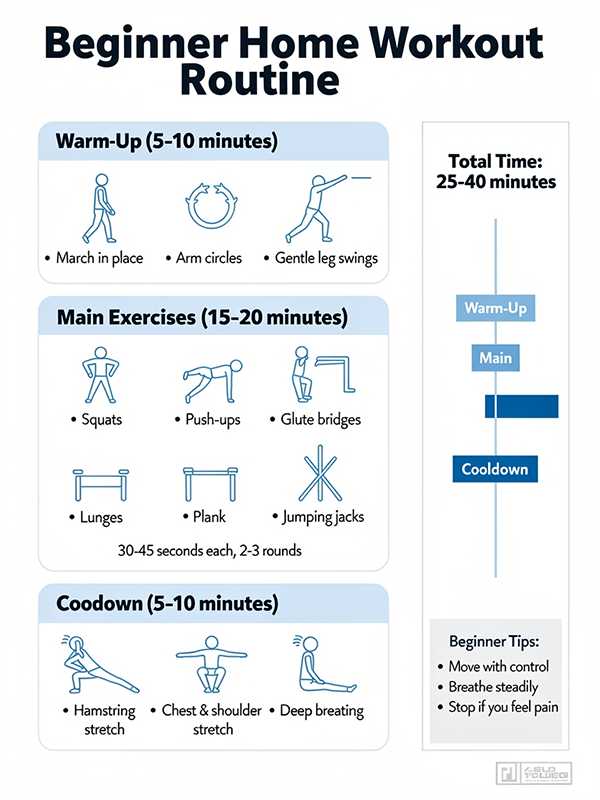
"Create a polished infographic for a beginner home workout routine. Include sections for warm-up, main exercises, cooldown, and time estimates. Clean iconography, readable headings, structured layout, white background with blue accent palette, modern educational design, crisp legible text."
Infographics are a direct test of FLUX.2s text rendering and layout logic. These have historically been weak spots for image generation models.
In this output, section headings are clearly distinguished and readable. The layout divides into logical segments, warm-up, exercises, cooldown, timings, following a reading sequence that makes sense.
Text within the sections is the element to scrutinize. At the heading level, FLUX.2 holds up well.
In smaller body text, accuracy can vary.
This is where checking the output carefully matters before using it for anything educational where the information itself needs to be correct.
Recommended workflow: Generate the structural layout in FLUX.2, verify and adjust text content in a design tool, and you have cut the layout design time significantly.
For educators, course creators, and anyone who regularly produces visual explanations, FLUX.2 handles the structural design work well. Treat it as a fast layout generator, then refine text accuracy in your editing software.
This category covers packaging design and book covers, applications where typography and brand identity precision matter a great deal.
Prompt used:
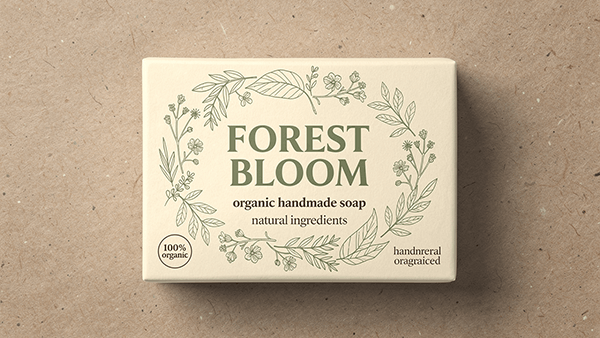
"Create a packaging design for an organic handmade soap called Forest Bloom. Soft kraft-paper background, botanical line illustrations, earthy green and cream palette, clean natural typography, calm wellness branding, structured layout, highly legible, artisan packaging design, print-ready."
Packaging design for artisan wellness products has a very specific aesthetic. Natural materials, botanical illustration, earthy color palettes, typefaces that feel handcrafted. This prompt asks FLUX.2 to hit that target.
This is a strong starting point for a brand that needs to visualize packaging before committing to a print production run. For small business owners, Etsy sellers, or startup founders testing product concepts, you can generate a convincing packaging mockup in seconds.
Prompt used:
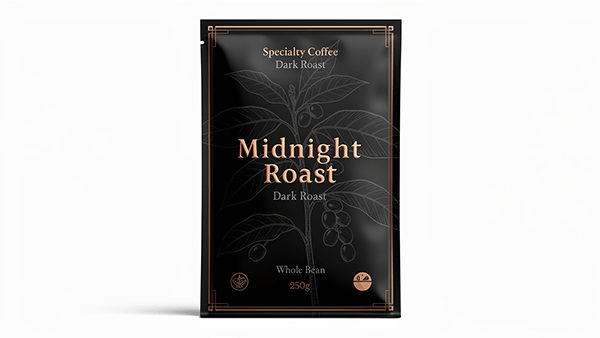
"Create the front panel of a premium coffee bag called Midnight Roast. Deep matte black background, elegant copper accents, subtle coffee plant illustration, refined serif typography, clean structured layout, luxury specialty coffee branding, highly legible, print-ready packaging design."
Completely different brand world from the soap. Matte black, copper, serif type, luxury specialty positioning.
Comparing this to the Forest Bloom result, what you see is FLUX.2 successfully modulating aesthetic vocabulary between very different brand personalities. The model does not apply one visual style to everything.
It reads the brand intent and responds to it.
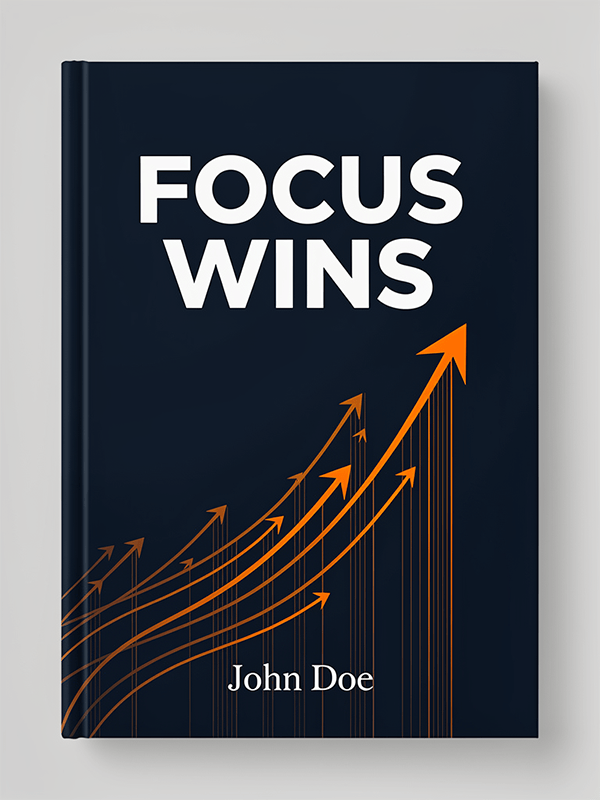
Prompt used:
"Create a modern non-fiction book cover for a title called Focus Wins authored by John Doe. Bold clean typography, minimalist composition, dark blue and orange accent palette, subtle upward motion graphic, premium business self-help aesthetic, highly readable title, professional publishing design, vertical book cover format."
Book covers make typography the lead actor. The title has to be large, legible, and visually impactful.
Everything else supports it.
"Focus Wins" renders with bold, clean letterforms at a size suitable to the cover format. The dark blue and orange palette creates strong contrast.
The minimalist composition avoids visual clutter, and the upward motion graphic adds purposeful energy without overdoing it.
For self-published authors, content creators launching digital products, or anyone who needs professional book cover designs rapidly, this kind of output compresses days of designer back-and-forth into a single generation cycle.
This final category is where we push FLUX.2 hardest. Atmospheric scenes test whether the model understands how light actually behaves in the real world.
Fog, haze, neon reflection, shadow falloff, color temperature contrast.
Prompt used:
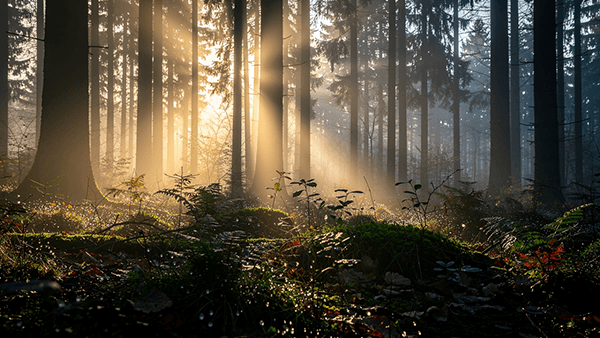
"A photorealistic cinematic forest scene at sunrise, set in a dense woodland filled with tall trees rising into the early morning sky. Show low drifting fog weaving naturally between the tree trunks, with the forest floor appearing dark, damp, and richly textured with moss, fallen leaves, small plants, and patches of soft earth. Let warm golden sunrise light pierce through the branches in visible shafts, creating a beautiful contrast between the cool mist and the warm sunlight. Add subtle dew on leaves, ferns, and undergrowth, catching the light in delicate highlights for extra realism. Emphasize layered atmospheric depth with fading tree silhouettes in the distance, soft natural shadow falloff, and a balanced composition that feels immersive and serene. The overall style should resemble high-end cinematic nature photography, with highly realistic lighting, rich environmental detail, moody atmosphere, and a peaceful yet dramatic early morning forest mood."
Take a moment to consider what this prompt demands of the model before looking at the result.
The fog does not sit as a flat haze over the whole scene. It weaves between tree trunks at ground level, responds to the terrain, and naturally dissipates as it rises.
That is physically fix fog behavior.
The warm gold shafts of sunlight cut through the canopy and contrast cleanly against the cool blue-grey mist. Two distinct color temperatures coexisting in the same frame, both lit correctly.
The forest floor has real environmental detail. Moss, fallen leaves, damp earth, small plants.
Not a generic brown-green surface.
Distant tree silhouettes fade convincingly with atmospheric depth. The dew droplets on leaves catch the morning light with tiny highlights that make the close-up detail feel alive.
This is cinematic quality output. For filmmakers creating concept art, game designers building environmental references, or content creators who need atmospheric nature imagery, this is the kind of result that would have taken significant time and budget in traditional photography.
Prompt used:
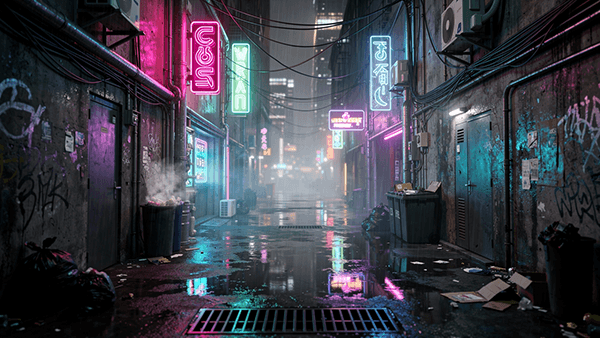
"A narrow urban alley at night after rain, glowing neon signs reflecting in puddles, damp concrete walls, soft mist in the air, cinematic color contrast, realistic shadow falloff, photorealistic cyberpunk street photography."
Different atmosphere, same technical demands on the model.
The neon signs project light into the surrounding space correctly. You can see the glow spilling onto adjacent walls, which is how neon actually behaves.
This prompt is short and the detail in the output is significant. FLUX.2 is reading cinematic visual language here.
It understands what a "cyberpunk street photography" aesthetic means at a compositional and lighting level.
- Social media and content creation. Thumbnails, podcast artwork, promo graphics, Instagram posts. Volume and speed are the advantage here.
- You can generate dozens of variations in the time a traditional design process would produce one.
- Ecommerce and product marketing. Hero shots, lifestyle imagery, product variants, advertising banners. The product photography quality is strong enough to support real campaigns, particularly for smaller brands that operate without large photography budgets.
- Food and hospitality marketing. Restaurant menus, promo posters, food advertising. The model handles food styling conventions well and renders textures convincingly.
- Branding and packaging concepts. Rapid prototype packaging, label designs, book covers, brand identity assets. Use it to generate concepts for client review before committing to full design production.
- Cinematic and atmospheric creative work. Concept art, background plates, environmental references, creative projects where mood and atmosphere are primary goals.
- Educational design. Infographic layouts, visual explainers, course graphics. Generate the structural framework and refine text in a design tool.
- Be specific about composition.
- FLUX.2 responds well to clear compositional direction. Centered subject, left-right split, rule of thirds, hero product prominent front.
- Tell it what to do spatially and it follows through.
- Name your lighting setup.
- "Warm directional lighting from the left," "soft diffused window light," "dramatic low-key studio lighting." These give FLUX.2 a clear light model to work with and the results improve noticeably.
- Describe the mood and aesthetic directly.
- "Luxury editorial," "warm candid family photography," "cyberpunk street photography." FLUX.2 reads these aesthetic shorthand labels and applies the right visual language.
- Use FLUX.2 Flex when typography matters.
- If your output needs readable text in headlines, packaging, or banners, Flex is the right variant for that job.
- Describe hands explicitly if they are visible.
- "Holding the product with relaxed natural fingers," "hands at sides in natural resting position." Specific hand description reduces anatomy errors.
- Iterate quickly.
- Generate several outputs from the same prompt and pick the strongest. Small prompt variations often produce noticeably different results, and iteration is fast.
- Dense body text is unreliable. Headings and titles render well. Paragraphs, bullet lists, or detailed informational text inside complex layouts need careful verification.
- Text accuracy drops in smaller sizes or complex typographic arrangements.
- Complex anatomy in demanding poses still requires attention. Standard poses handle cleanly. Highly specific hand positions, extreme action poses, or many people interacting in close proximity take more prompt iteration to get right.
- Spatial logic in very cluttered scenes can drift. When you ask for many elements to interact precisely in tight composition, like stacked food, close-up group scenes, or dense product arrangements, the spatial relationships can occasionally produce inconsistencies. Review these outputs closely.
- Real product branding requires post-processing. FLUX.2 generates convincing packaging and product imagery, but if you need your actual logo, exact pantone colors, or specific label copy, you need to bring those elements in through a design tool after generation.
- Brand consistency across campaigns needs multi-reference prompting. Single-prompt outputs are strong, but maintaining consistent character appearance, product styling, or visual identity across many images requires using FLUX.2s multi-reference features deliberately, with reference images provided.
FLUX.2 is a production-ready image generation model across a genuinely wide range of commercial applications.
The photorealism is there. The text rendering is substantially better than anything before it in this category of tool.
The human realism improvements are real and meaningful.
The atmospheric and cinematic rendering is impressive.
If you create social media content, run ecommerce marketing, work in branding or design, produce educational materials, or need fast visual concept generation for any reason, FLUX.2 gives you a serious creative tool.
The best way to use it is to prompt specifically, iterate quickly, and treat the output as a strong first draft that you bring to your own production standards with whatever refinements your specific project needs.
TAGS: Generative Art
Related Tools:

Turns text and reference images into highly stylized visuals
Creates high-quality visuals with stronger precision and control

Creates visuals with highly accurate text and typography
Creates visuals from text and images with pro-level accuracy
Creates more accurate visuals from text and reference inputs
Generative tool that creates images, animations, and artworks
Related Videos:
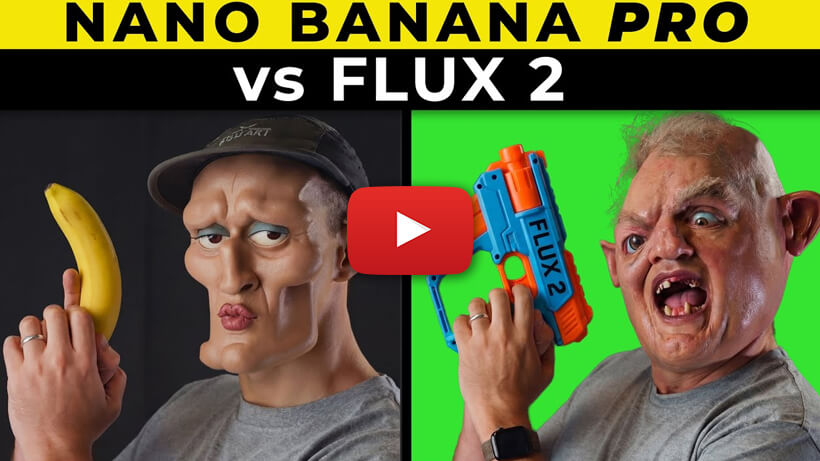
Nano Banana Pro vs FLUX 2 - I Was SHOCKED by the Results
I’m going to test the two best AI image generators with Nano Banana Pro vs Flux 2! I’ll test them across multiple categories, from consistency to VFX.
Scarily Realistic FLUX AI RAW | Image & Video Test
I will test you to see if you can tell which images (& videos) are Ai and which are real.
FLUX Ai | How To Create Ultra Realistic Images & Videos | Flux Ai Tutorial
I will show you how to use FLUX to create the most realistic-looking images and also how to turn them into lifelike videos that will shock you.