
Share this tool:
 |
Description:
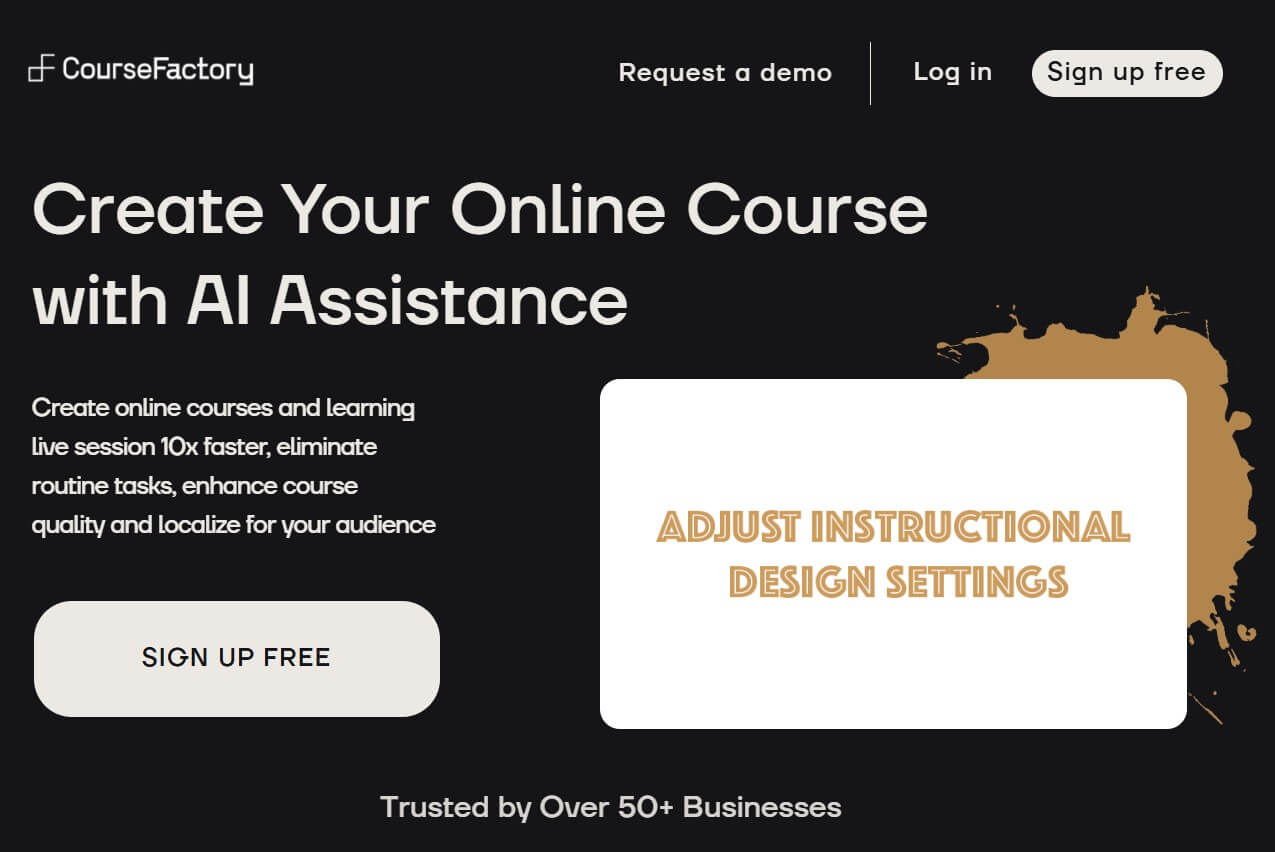
CourseFactory is an AI-assisted course creation platform for teachers, coaches, instructional designers, and corporate learning teams that need to plan, structure, adapt, and export online courses faster. Its strongest value is not one-off content generation. It is the way it breaks course production into guided stages: concept, learning outcomes, course structure, assignments, lesson drafts, translation, feedback, and LMS-ready delivery.
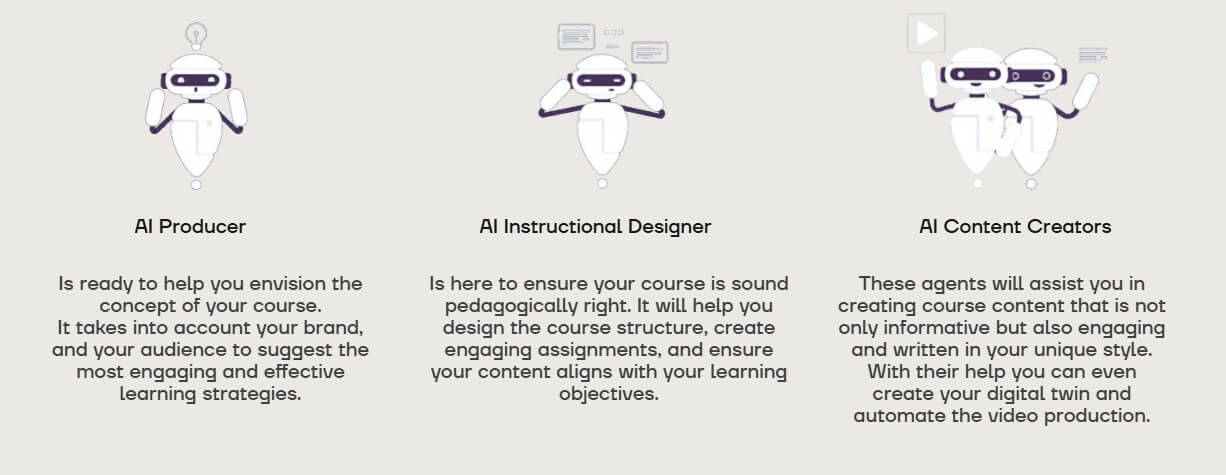
CourseFactory is built around an AI CoPilot concept: a set of AI assistants that help users create online courses and live learning sessions. The platform describes three main assistant roles: an AI Producer for course concept and audience strategy, an AI Instructional Designer for structure and assignments, and AI Content Creators for lesson content, scripts, and style-based writing.
That matters because course creation is not the same as writing a few lesson notes. A good online course needs a clear audience, learning outcomes, module sequence, assignments, lesson materials, assessment logic, and a delivery plan. CourseFactory’s structure is aimed at that broader production process.
The platform is also positioned for different user types: teachers, experts, educational institutions, and corporate learning teams. Its teacher-specific page mentions K-12, high school, and special education users, along with live, pre-recorded, and hybrid teaching formats.
CourseFactory is strongest when the user has expertise or source material but needs help turning it into a structured course. Many teachers and subject-matter experts can explain their topic well, but course design takes more than knowledge. You need sequencing, measurable outcomes, assignments, and formats that fit the learners.
This is where CourseFactory’s workflow makes sense. It can help create a course from scratch or use existing materials as the starting point, then generate curriculum based on educational outcomes. The platform also says it helps select assignments that match course goals.
The strongest use case is not “write me a lesson.” It is closer to: “Turn this expertise, training material, or rough syllabus into a course plan I can review, improve, and publish.”
CourseFactory separates course strategy, instructional design, and content generation into distinct AI roles, which makes the workflow feel more purpose-built than a general chatbot.
The platform helps divide material into modules and lessons, which is often one of the slowest parts of course planning.
CourseFactory emphasizes curriculum generation based on educational outcomes and assignment selection tied to course goals.
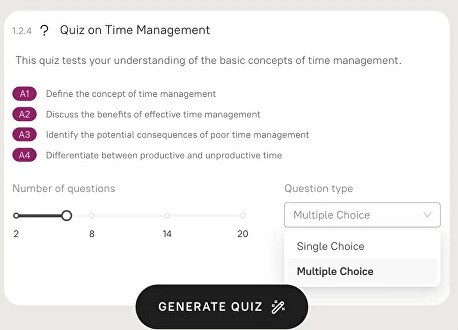
It can generate lesson drafts, self-check questions, video scripts, and other course content.
The platform supports translation, changing course formats, and adapting content for different audiences or cultural contexts.
CourseFactory says completed courses can be exported to a preferred learning management system, which is important for schools and training teams already using an LMS.
CourseFactory’s workflow is built around course prototyping. The user starts with ideas or existing materials, uses AI to generate content and assignments, shares the course plan for feedback, improves it, and then exports it when ready.
That is a sensible flow for course production. It gives users a draft, but it does not pretend the first version is finished. The validation step matters. Online courses often fail because the content exists, but the structure is weak, the audience is too broad, or the assignments do not match the learning goals.
The platform’s teacher page also highlights “full control” over the process. That is important because educators usually do not want AI to make every decision. They need help with routine work while keeping authority over pedagogy, tone, accuracy, and student fit.
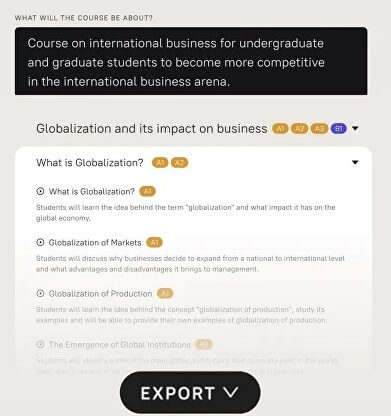
CourseFactory’s most useful design choice is that it treats course creation as a system. A general AI writing tool can produce a module outline, but it may not keep the whole learning journey in view. CourseFactory tries to connect audience, outcomes, assignments, lessons, and delivery.
The AI Instructional Designer role is the most important piece for serious educators. CourseFactory says this assistant helps design course structure, create assignments, and ensure content aligns with learning objectives. That does not remove the need for human review, but it does focus the AI on the right educational problem.
The caveat is that course quality still depends on the user’s input. If the audience is unclear, the source material is thin, or the learning goal is vague, the output may look polished without being strong. CourseFactory can speed up structure and drafting, but it cannot replace subject expertise or instructional judgment.
CourseFactory is a strong fit for teachers building course materials from existing lessons, syllabi, or subject expertise. It can help with course outlines, assignments, self-check questions, and lesson content.
It also works well for coaches and independent experts who want to turn knowledge into a course but do not have a formal instructional design background. The AI Producer and course-planning tools are useful here because they help shape the concept around audience and learning strategy.
Corporate training teams may get value from the more operational side: course adaptation, consistent learning experiences, LMS export, and collaboration-oriented production. CourseFactory’s public pages position the platform for educational institutions and corporate learning teams, not just individual teachers.
It is also useful for localization. If a course needs to be translated, adjusted for another audience, or adapted from one delivery format to another, CourseFactory’s adaptation tools are more relevant than a basic course outline generator.
CourseFactory’s advantage over a general chatbot is structure. ChatGPT, Claude, or Gemini can help draft course outlines and lessons, but the user has to manage the process manually. CourseFactory gives the work a course-production frame: outcomes, modules, assignments, content, feedback, adaptation, and export.
The trade-off is flexibility. A general chatbot may be better for unusual brainstorming, deep explanation, or highly custom teaching scenarios. CourseFactory is better when the goal is to build a course workflow, not just ask for educational content.
- Start with clear learning outcomes. CourseFactory’s value rises when it has a specific learner goal to work toward.
- Use existing materials when possible. A rough syllabus, training deck, transcript, or lesson notes can give the AI more substance than a topic alone.
- Review assignments carefully. The platform can suggest activities, but the teacher still needs to check whether they measure the right skill.
- Use translation and adaptation after the course structure is solid. Localizing a weak course only spreads the weakness into another format.
- Treat LMS export as the final step, not the editing space. It is usually easier to improve the course plan before moving it into delivery.
CourseFactory is not a complete replacement for instructional design. It can help structure and draft a course, but it cannot fully judge learner readiness, classroom dynamics, assessment validity, or whether a topic has been taught with enough depth.
The second limitation is review burden. AI-generated course materials can sound professional while still containing weak sequencing, thin activities, or uneven difficulty. Educators should check factual accuracy, alignment, tone, accessibility, and assessment fit before publishing.
The third trade-off is that CourseFactory is strongest for structured course production. If someone only needs a single worksheet, one lesson idea, or a quick explanation, a lighter AI tool may be faster.
CourseFactory is a useful AI course creation platform for educators, coaches, instructional designers, and training teams that need help turning ideas or existing materials into structured online courses. Its biggest strengths are AI assistant roles, learning outcome alignment, course structure generation, assignment support, content drafting, adaptation, and LMS export.
It is best for users building full courses rather than isolated teaching materials. The main caveat is that AI can speed up course production, but the final quality still depends on human review, subject expertise, and sound instructional judgment.
TAGS: Productivity
Related Tools:

Helps teams document access internal information

Transforms screen recordings into high-quality product videos

Unify team knowledge and automate workflows

Captures meetings, manages tasks, and organizes documents

Transforms ideas into professional designs
Simplifies creation of visual content for marketing