

Share this tool:
 |
Description:
MajorGen is an AI resume and cover letter generator built for job seekers who apply to multiple roles and do not want to rewrite their documents from scratch each time. Its main value is speed and tailoring: paste a job description, add your profile or existing resume, and generate an application-specific resume or cover letter that is designed to match the role more closely.
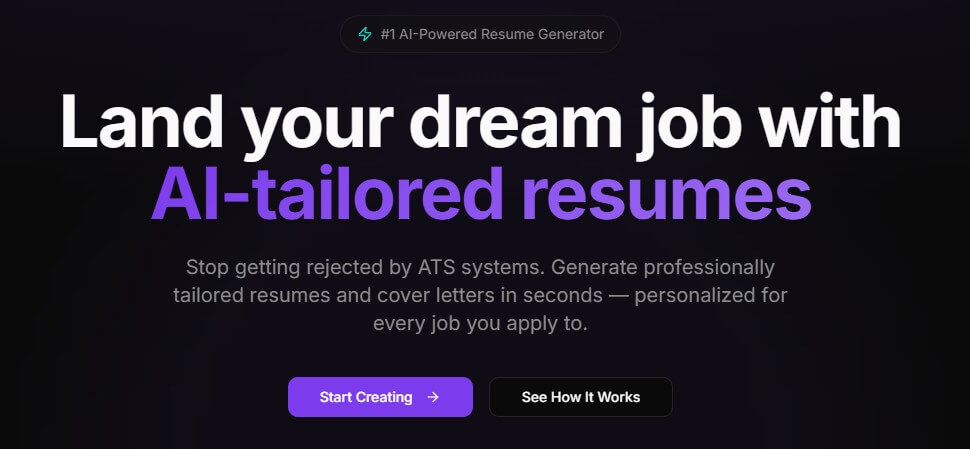
MajorGen is a career-document tool, not a full job search platform. It does not appear to be focused on job discovery, interview practice, networking, or recruiter outreach. Its core workflow is narrower: take the job listing, combine it with your experience, and produce a tailored resume or cover letter.
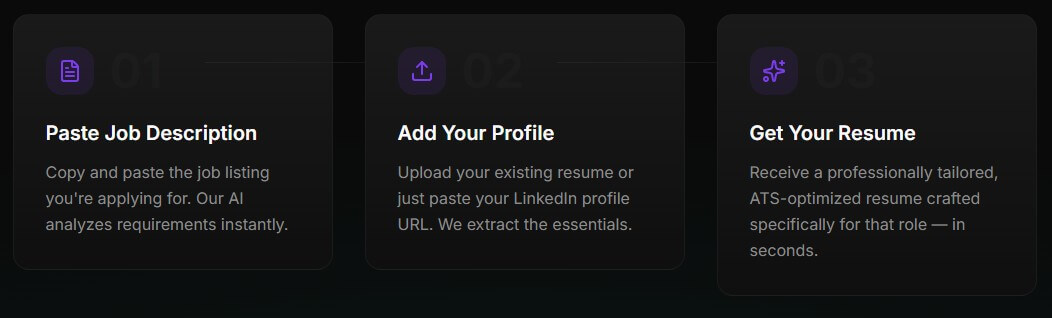
The homepage explains the process in three steps: paste the job description, add your profile by uploading a resume or pasting a LinkedIn profile URL, then receive a tailored, ATS-optimized resume for that specific role.
That is a useful workflow because most job seekers know they should tailor their resume, but many do not do it consistently. It takes time, and after enough applications, the process becomes repetitive. MajorGen is built for that exact problem.
MajorGen is strongest for people applying to several similar roles where small changes matter. For example, a product manager applying to SaaS, fintech, and marketplace roles may need different emphasis in each version. A software engineer may want one resume that leans toward backend systems, another toward cloud infrastructure, and another toward AI tooling.
This is where MajorGen’s job-description-first workflow helps. Instead of producing one generic resume, it analyzes the job listing and adjusts the resume around the role’s requirements. The official site positions the tool around resumes and cover letters personalized for every job application.
The practical benefit is not that it magically wins interviews. It is that it reduces the friction of creating a better-aligned application for each role.
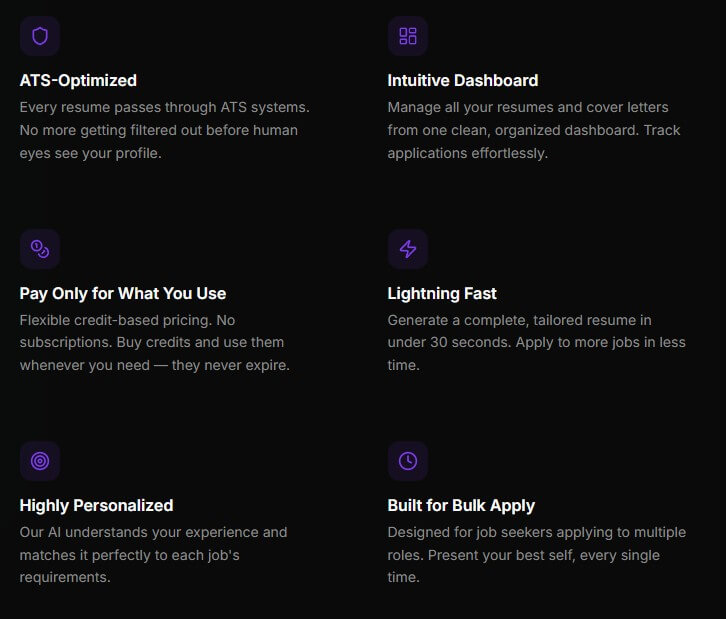
MajorGen starts with the job listing, which helps the output focus on the actual role rather than a generic career summary.
Users can upload an existing resume or paste a LinkedIn profile URL so the tool can extract relevant experience.
The platform generates role-specific resumes rather than only polishing one static document.
MajorGen also supports cover letter creation, giving users both major application documents in one workflow.
The homepage says users can manage resumes and cover letters from a dashboard and track applications.
MajorGen specifically describes itself as designed for job seekers applying to multiple positions.
The workflow is simple enough for non-technical users. You do not need to know resume formatting rules in depth, and you do not need to write a long AI prompt. You start with the job description, add your profile, and let the tool generate the document.
That makes MajorGen more focused than a general chatbot. With ChatGPT or Claude, a user has to write a careful prompt, paste the job description, paste the resume, explain the target role, request formatting, ask for keyword alignment, and revise the result. MajorGen packages that process into a dedicated product flow.
This matters for job seekers under pressure. When someone is applying to ten or twenty roles in a week, the tool’s value is not only quality. It is the ability to repeat the process without rebuilding the prompt each time.
MajorGen uses ATS optimization as a central selling point. Its homepage says the tool creates ATS-ready resumes and is designed to help job seekers get past automated screening systems.
That can be useful, but it needs a careful reading. An ATS-friendly resume usually means clean formatting, relevant keywords, recognizable section labels, and alignment with the job description. It does not mean guaranteed interviews. Recruiters still evaluate experience, proof, seniority, location, salary fit, portfolio, referrals, and market competition.
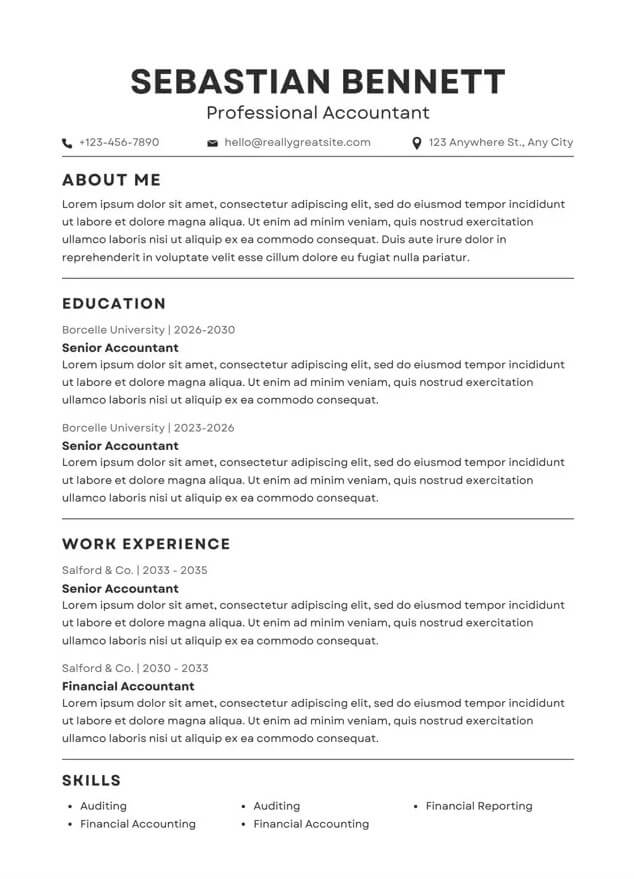
The best use of MajorGen is to improve relevance, not to inflate qualifications. A good AI resume should bring the right experience forward. It should not invent tools, responsibilities, metrics, certifications, or achievements. That is especially important because AI-generated career writing can sound confident even when the details are too broad.
MajorGen’s cover letter support is useful for jobs where the cover letter still matters, especially roles that require writing, client communication, mission alignment, or a clear reason for switching industries. The platform’s about page describes MajorGen as helping job seekers apply with resumes and cover letters, and it lists a cover letter creator as one of its services.
The best cover letters should not repeat the resume. They should explain fit, motivation, and context. MajorGen can help draft that structure, but users should add details the AI may not know: why the company interests them, what problem they want to work on, why the move makes sense, and what specific experience supports the application.
For senior candidates, this review step matters. A generic AI cover letter can weaken an otherwise strong application if it sounds polished but empty.
MajorGen is a strong fit for job seekers applying to many roles in the same general field. It is useful for people who already have a decent resume but need better tailoring for each job.
It also works well for career changers who need to reframe existing experience for a new role. The tool can help surface transferable skills and align language with the job description.
Recent graduates may benefit too, especially if they struggle to phrase internships, projects, coursework, and part-time work in a professional resume style.
The same applies to freelancers and consultants who need to package varied experience for a full-time role.
It is less ideal for people who need deep career coaching, strategic positioning, or a major resume rebuild from scratch. MajorGen can help generate documents, but it does not replace a thoughtful career narrative.
MajorGen’s advantage over a general chatbot is structure. The product is built around a specific job-search task, so users do not have to design the workflow themselves.
General AI tools are better for broader coaching: identifying career paths, preparing interview answers, rewriting LinkedIn summaries, or practicing behavioral questions. MajorGen is better when the goal is narrower: create a resume and cover letter for this job.
That makes it more practical for repetitive application work. It may not be the most flexible AI writing option, but it is more direct.
- Use a strong base resume. MajorGen can tailor content, but it needs accurate raw material. Add achievements, tools, metrics, and scope before generating role-specific versions.
- Paste the full job description. The more complete the posting, the easier it is for the AI to identify required skills, responsibilities, and keywords.
- Edit the output for truth and specificity. Replace vague AI phrasing with real numbers, projects, outcomes, and examples.
- Do not over-optimize for ATS keywords. A resume still needs to read well for a human recruiter.
- Save versions by role type. One tailored resume for every job is useful, but grouping versions by job category can keep the process more organized.
MajorGen’s biggest limitation is that it can only work with the experience you provide. If your resume is thin, unclear, or missing achievements, the output may sound more polished without becoming much stronger.
The second limitation is the ATS promise. ATS-friendly formatting and keyword alignment can help, but no tool can guarantee a recruiter will respond. Job search outcomes depend on many factors outside the resume.
The third trade-off is depth. MajorGen looks useful for fast resume and cover letter tailoring, but users who need full career strategy, portfolio positioning, networking help, or interview coaching will need other tools or human guidance.
There is also a privacy consideration. Resumes include personal contact details, work history, education, and sometimes sensitive career information. Users should review the platform’s current policies before uploading documents or linking profile data.
MajorGen is a practical AI resume and cover letter tool for job seekers who need tailored application documents without spending hours rewriting each version manually. Its biggest strengths are the job-description-first workflow, resume upload or LinkedIn input, ATS-oriented formatting, cover letter creation, and dashboard-style organization.
It is best for active applicants who are applying to multiple roles and want faster, more relevant resume versions. The main caveat is that AI can help tailor and polish your application, but it cannot replace accurate experience, strong achievements, and careful human editing.
TAGS: Productivity
Related Tools:

Create custom internal tools and applications

Summarizes meetings to help teams capture key information
Assists users in solving mathematical problems

Automates code reviews, testing, and merges to help engineering teams

Automates complex tasks by creating customizable, scalable digital agents

Built for tracing, evaluating, monitoring, and improving AI agents