
Share this tool:
 |
Description:
Tidio is an AI customer service platform for businesses that want faster support without removing the human team from the process. It combines live chat, a help desk, automation Flows, and Lyro AI Agent so teams can answer questions, qualify leads, route conversations, and handle common requests from one workspace. Its best fit is small and midsize businesses, ecommerce teams, and service teams that need more than a chatbot but do not want a heavy enterprise support suite.
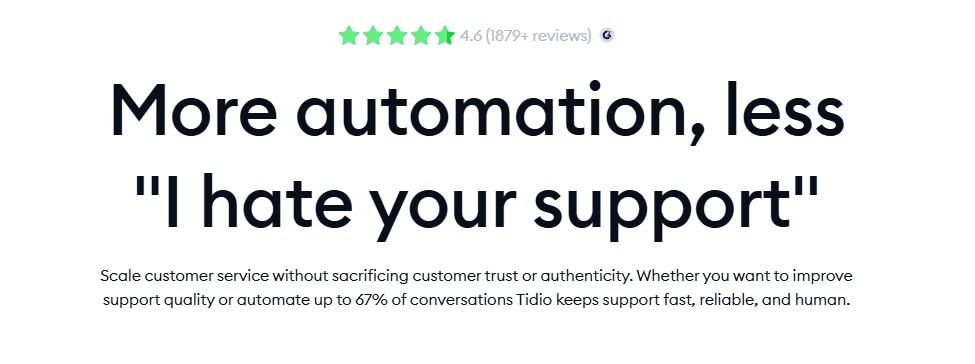
Tidio is not just a website chat widget anymore. The current product is a broader customer communication platform built around three layers: live human support, automated conversation flows, and Lyro AI Agent. Tidio’s homepage positions the platform around AI-assisted customer service, workflow organization, live chat, help desk tools, and proactive automations for support and sales.
The most important idea is that these tools are meant to work together. Tidio’s Help Center explains that Flows, Lyro, and live agents can all operate across communication channels such as the website widget, Facebook Messenger, Instagram, and WhatsApp. In a typical setup, Flows can trigger first, Lyro can handle AI responses, and live agents can step in when needed.
That makes Tidio useful for businesses that want automation but still need human fallback. It is not a “set it and forget it” bot. It works best when a company defines which questions should be automated, when a person should take over, and what customer information the system should use.
Tidio is strongest in real-time customer conversations. The live chat product is built to help teams manage customer interactions from one inbox, including website chat, Instagram, WhatsApp, and Messenger. It also includes practical live chat features such as saved replies, customer details, live typing preview, video calls, real-time visitor information, and access through browser, desktop, or mobile apps.
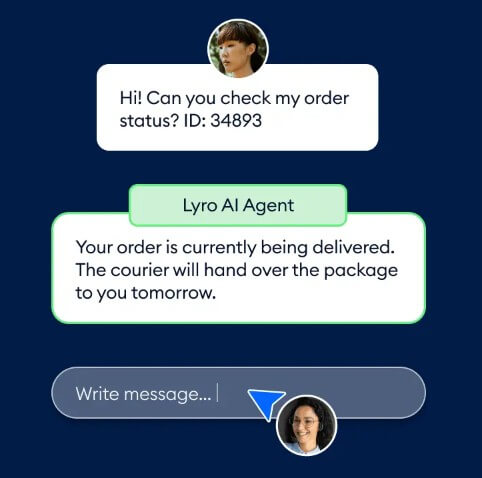
The second strong area is ecommerce support. Tidio has dedicated Shopify-related features such as shopping cart preview, order history, product recommendations, and order management actions from inside the chat window. For online stores, that matters because customer support and conversion are often the same conversation. A visitor asking about sizing, shipping, stock, or discounts may be one useful answer away from buying.
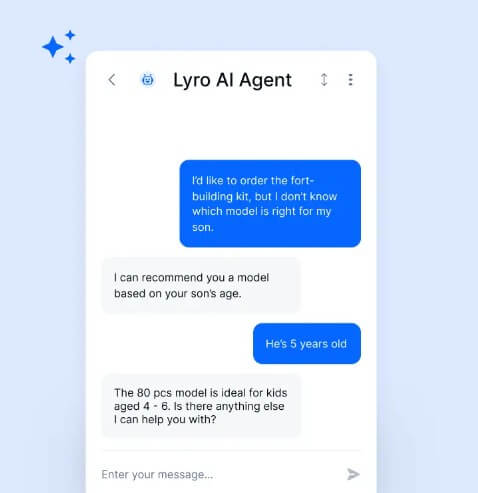
The third strength is the blend of AI and human service. Lyro AI Agent can answer customers using support knowledge, respond across live chat and messaging channels, ask clarifying questions, redirect customers when questions fall outside its knowledge, and let human agents monitor or take over conversations.

| Feature | Practical value |
|---|---|
| Lyro AI Agent | Answers customer questions using the company’s support content, with controls for handoff, missed questions, real-time monitoring, and knowledge updates. |
| Live Chat | Lets teams talk with visitors in real time, manage multiple channels from one inbox, save replies, view customer details, and support customers from desktop or mobile apps. |
| Flows | Automates scripted conversation paths for lead capture, support routing, sales prompts, and offline engagement before Lyro or a live agent takes over. |
| Lyro Smart Actions | Lets Lyro communicate with external systems through APIs so it can retrieve or send information, such as order status, shipment details, address changes, or database updates. |
| Product Recommendations | Connects Lyro to store inventory so it can recommend products based on the catalog a business actually sells. |
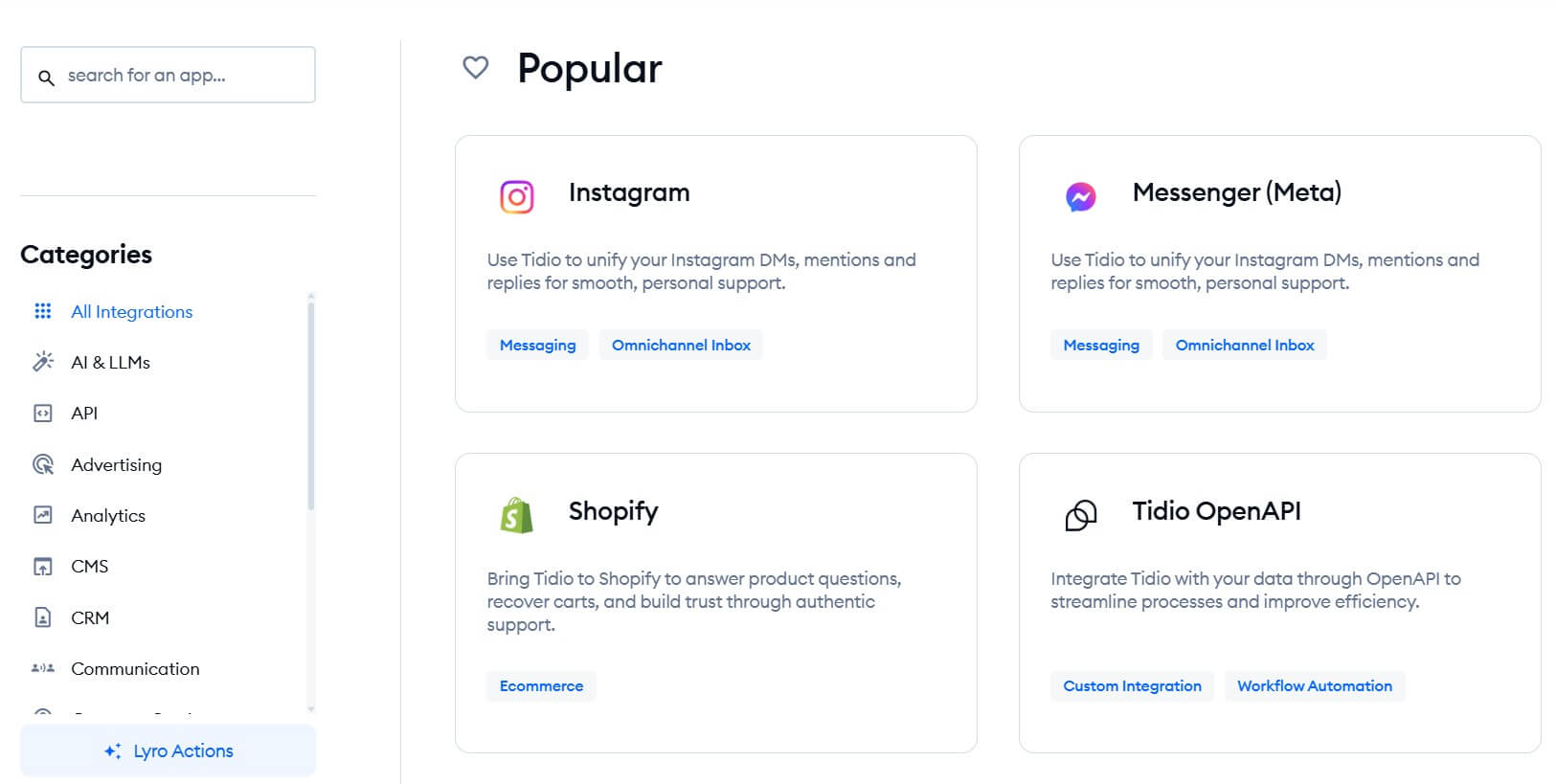
| Integrations | Connects Tidio with ecommerce, website, and business tools, including Shopify and WordPress from the product pages. |
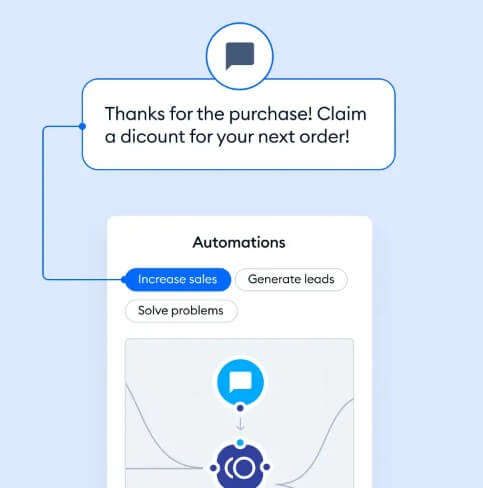
Tidio’s workflow is approachable because it starts with something familiar: add a chat widget, connect channels, and begin answering customers. From there, teams can add saved replies, customize the widget, create Flows, connect ecommerce platforms, and feed Lyro with support knowledge. The Help Center is organized around installation, project management, widget customization, Flows, Lyro, email, campaigns, integrations, contacts, notifications, apps, and security topics.
The practical learning curve is not installation. It is deciding how the service system should behave. Teams need to answer questions like: Which conversations should Lyro handle? Which should go to a human? Which questions need a Flow instead of AI? What knowledge should Lyro use? Which external systems should it access?
That setup work matters. Tidio can be quick to launch, but the best results come from shaping it around real customer questions. A store with clear FAQs, clean product data, and well-written shipping, returns, and order policies will give Lyro a stronger base than a site with scattered or outdated information.
Lyro is the AI center of Tidio. The key promise is not open-ended chat; it is customer service based on the business’s own support knowledge. Tidio says Lyro answers using only support knowledge to reduce hallucinations, supports multiple languages, works across live communication channels, and can redirect customers when an answer falls outside its knowledge.
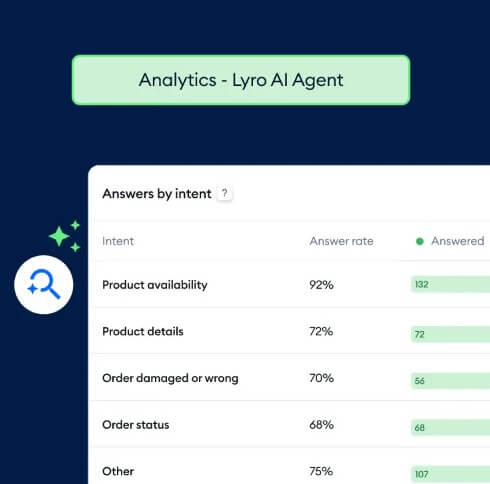
That design is sensible. In customer service, a confident wrong answer is worse than no answer. Lyro’s value depends on controlled knowledge, clear escalation, and ongoing review. Tidio helps here with missed questions, analytics, playground testing, and instant knowledge updates. These are not small extras. They are the maintenance layer that keeps an AI support agent from drifting away from what customers actually need.
Smart Actions make Lyro more operational. Instead of only answering static FAQs, Lyro can call external services through APIs when a customer needs dynamic information. The useful examples are order status, shipment details, address changes, and database updates. The caution is also important: Tidio notes that Lyro does not validate or roll back integrations, so businesses should test Actions safely before using them live.
Tidio is a strong fit for ecommerce stores that need live chat, order support, product recommendations, lead capture, and AI-assisted answers from one place. Shopify and WordPress users are especially natural candidates because Tidio’s product pages emphasize integrations with those platforms.
It is also useful for small support teams that need to reduce repetitive questions without hiring more agents. Common use cases include delivery questions, product availability, return policies, appointment booking, lead qualification, and simple troubleshooting.
Service businesses can use Tidio for instant website support, quote requests, booking questions, and after-hours conversation capture. SaaS teams may use it for onboarding questions, feature guidance, and routing support issues to the right person.
It is less ideal for companies that need deep enterprise ticketing, complex service-level agreements, advanced workforce management, or highly customized support operations across many departments. Tidio has help desk depth, but its clearest identity is still fast customer communication with AI and automation layered in.
Tidio’s Trust Center says the company has completed a SOC 2 Type II audit covering Security, Availability, and Confidentiality, and that a copy of the report is available on request. It also states that Tidio completes annual penetration testing confirmation.
That is a useful trust signal, especially because Tidio may process customer conversations, order questions, contact details, and support history. Still, companies should review data access, user permissions, retention needs, and any connected APIs before using Lyro Smart Actions or connecting sensitive systems.
The main limitation is setup quality. Tidio can automate support, but it cannot create a strong support operation from weak knowledge. If FAQs are vague, policies conflict, or product data is messy, Lyro may still struggle.
There is also a handoff challenge. AI, Flows, and humans can work together, but only if the rules are clear. Customers can get frustrated when automation blocks access to a person or repeats information they already provided.
Another trade-off is scope. Tidio is strongest for chat-first customer service, ecommerce conversations, and automation around common questions. Larger support teams with complex ticket workflows may still need a more specialized help desk or service management platform.
Tidio is a practical AI customer service platform for businesses that want live chat, AI support, automation, and ecommerce conversation tools in one place. Its strongest value is the way Lyro AI Agent, Flows, live agents, and integrations can work together without making the support team disappear. It is best for ecommerce brands, SMBs, service businesses, and lean support teams that handle many repeated questions. The main caveat is that Tidio works best when the business invests in clean knowledge, clear handoff rules, and regular review of what customers are actually asking.
TAGS: Productivity AI Chat/Assistant
Related Tools:

Create AI-powered voice and chat agents

Creates conversational AI chatbots

Automates post-meeting tasks by listening to conversations
Automates chat interactions with customizable chatbots

Automates employee and customer support

Generatess AI-driven responses to questions