

Share this tool:
 |
Description:
TaxGPT is an AI tax assistant built for tax professionals, accounting firms, businesses, and, to a lesser extent, individual taxpayers who need help with tax research, document review, memo drafting, notice responses, client context, and return-review workflows. Its strongest value is not that it answers tax questions in a chat box. It is the way TaxGPT tries to connect research, writing, document analysis, client profiles, multi-jurisdiction questions, and return review inside one tax-focused workspace.
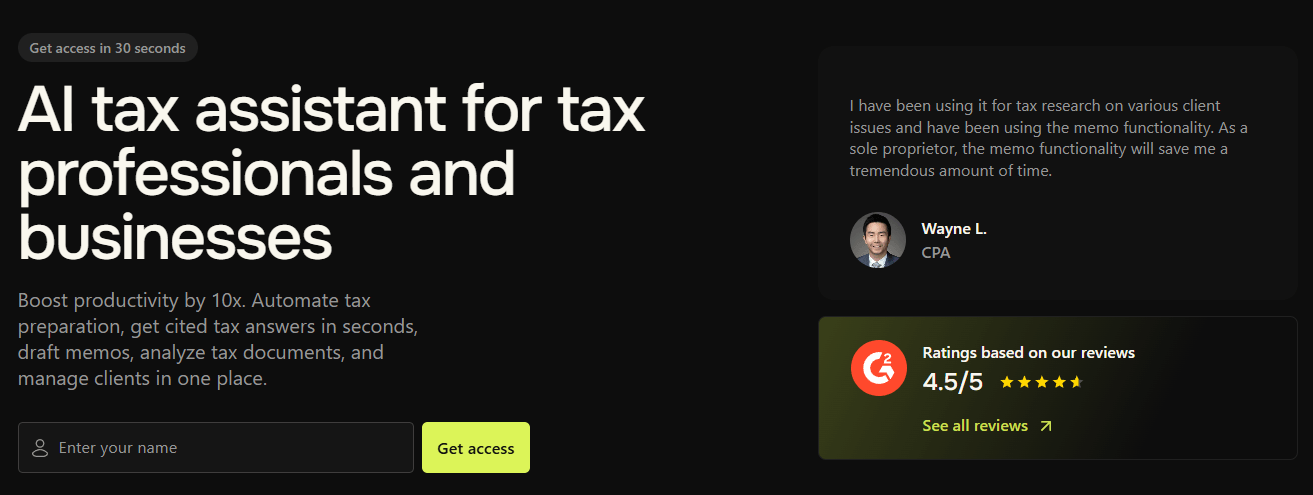
TaxGPT is strongest when a tax professional needs to move from a question to a cited, usable work product. That might mean answering a client’s nexus question, drafting a memo, reviewing a return, responding to an IRS or CRA notice, comparing state rules, or analyzing uploaded tax documents in context. The platform is built around those repeated tax-firm tasks rather than broad consumer finance advice.
The more interesting part is context. TaxGPT’s Client Intelligence feature can use uploaded tax returns, financial documents, and prior client data to build client profiles. The system can learn entity structures, filing history, tax positions, compliance preferences, ownership relationships, and prior interactions, then apply that context to future research and writing tasks.
That makes TaxGPT more useful than a standalone answer engine. In tax work, the facts often matter as much as the law. A generic answer about S corporation reasonable compensation, home office deductions, multi-state filing, or IRS notice response strategy is only a starting point. TaxGPT’s stronger workflow is: load client context, ask the question, get cited research, draft the deliverable, and keep the work tied to the client file.
TaxGPT answers tax questions in plain language with citations to authoritative sources such as IRS, IRC, CRA, Treasury Regulations, court cases, revenue rulings, and administrative guidance.
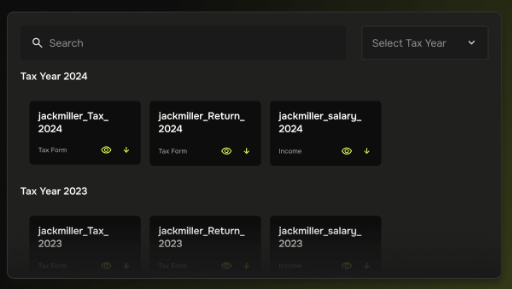
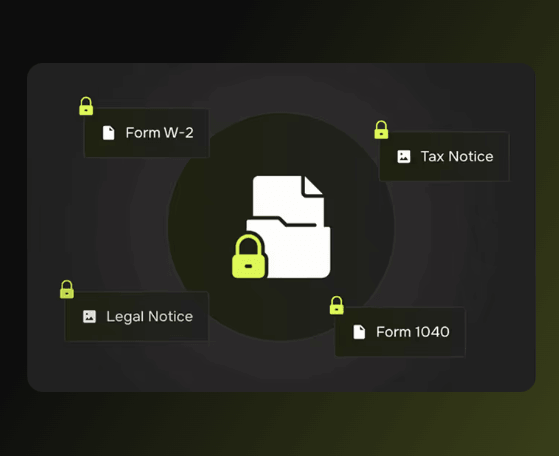
Users can upload client documents, returns, financial statements, IRS or CRA notices, and ask questions about the specific facts inside those files.
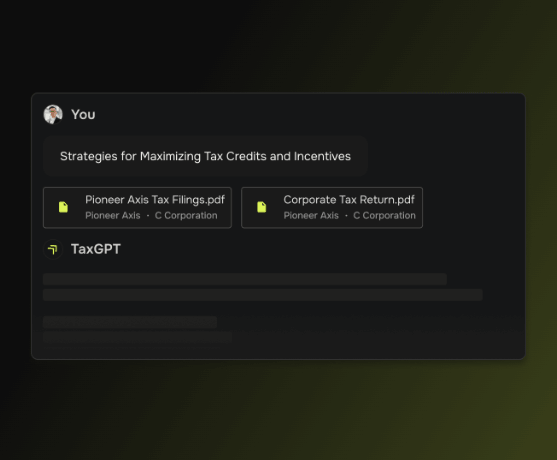
TaxGPT drafts tax memos, IRS and CRA notice responses, client emails, engagement letters, PBC follow-ups, opinion-style content, and client alerts, with professional review still recommended before delivery.
TaxGPT Matrix is designed for multi-jurisdiction tax research, turning state-by-state or jurisdiction-by-jurisdiction questions into organized, cited, exportable tables.
The platform builds client profiles from documents and prior data, then uses that profile as context for future research, writing, review, and planning work.
Agent Andrew reviews tax returns and source documents to identify errors, audit risks, mismatches, and possible missed savings using color-coded flags and downloadable reports.
TaxGPT’s research layer is its foundation. The platform says every answer is backed by authoritative citations and verified against primary sources, which is exactly what tax professionals should want from an AI assistant.
That does not mean users should treat every answer as final. It means TaxGPT gives a better starting point than a generic AI model that may provide a confident but uncited answer. In real tax work, the citation trail matters. A preparer, CPA, enrolled agent, or tax attorney needs to know where the answer came from, whether it applies to the client’s facts, and whether there are exceptions.
The strongest use case is research acceleration. TaxGPT can help narrow the issue, surface relevant authority, explain the rule, and draft the conclusion. The professional still needs to check the authority, confirm dates, confirm jurisdiction, and apply judgment.
This is especially important for areas where small fact changes can change the answer: residency, nexus, passive activity rules, basis, reasonable compensation, foreign reporting, payroll classification, entity elections, depreciation, credits, and penalties.
Tax Writer is one of the most practical pieces of the platform because tax professionals spend a lot of time turning research into written work. TaxGPT says Tax Writer can draft IRS and CRA notice responses, tax position memos, client emails, engagement letters, PBC follow-ups, and client alerts about law changes.
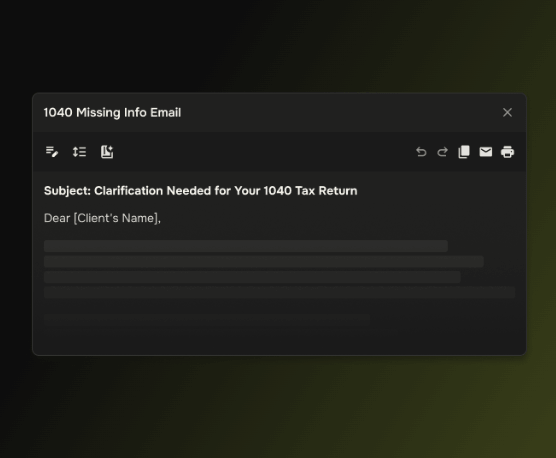
The product is also explicit about review. Its Tax Writer FAQ says drafts are grounded in authority but should be reviewed by a professional before delivery, consistent with Circular 230 due diligence standards. That is the right framing.
The best way to use Tax Writer is as a first-draft system. It can help structure the memo, pull in authorities, frame the issue, and write in a professional tone. But a memo still needs human review for facts, nuance, client risk, firm style, and the final tax position.
The same applies to notice responses. A CP2000, CP14, CP501, CP503, CP504, reasonable cause abatement request, or missing-information response can often follow a known structure. TaxGPT can speed that structure. It should not decide the final argument without review.
Client Intelligence is one of TaxGPT’s more important platform layers because it addresses a common weakness in AI tax tools: lack of memory. A normal AI assistant needs the user to restate the client’s entity type, filing history, ownership structure, prior positions, and current issue every time. TaxGPT’s Client Intelligence feature is designed to pull that context from documents and profiles so future work starts with the client’s facts already attached.
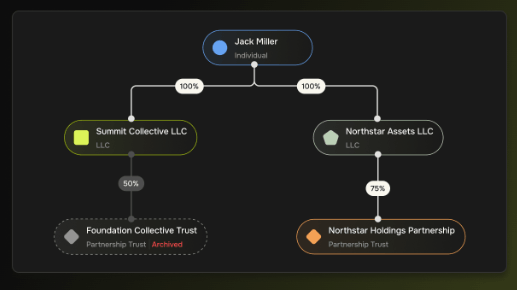
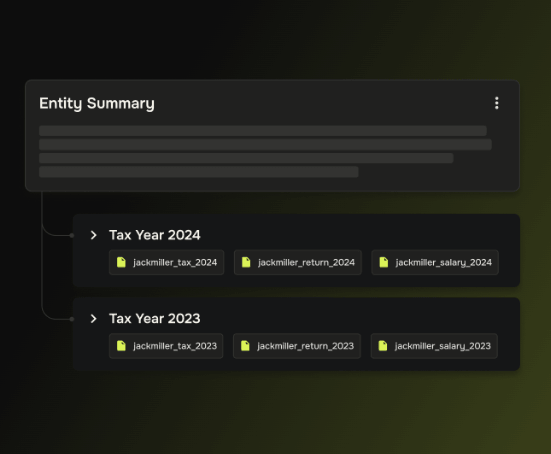
That is useful for firms with recurring clients. If the same client has a multi-entity structure, prior-year tax positions, trust relationships, K-1 activity, carryforwards, or compliance preferences, a generic answer is not enough. TaxGPT’s visual entity relationship mapping also matters here, because ownership structures and parent-child relationships can affect the tax analysis.
The practical benefit is not just faster answers. It is fewer dropped facts. A tax professional still needs to verify the AI’s reading, but structured client memory can reduce the need to rebuild context for every question.
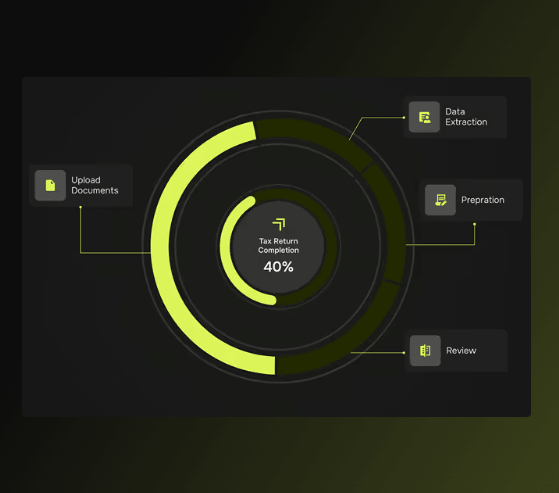
Agent Andrew is TaxGPT’s tax return review agent. The official Agent Andrew page says it automates document collection and review by detecting errors, identifying audit risks, and uncovering missed savings. The workflow includes uploading the client return, customizing the review with the firm’s checklist and focus areas, letting Andrew scan for issues, then resolving or optimizing flagged items.
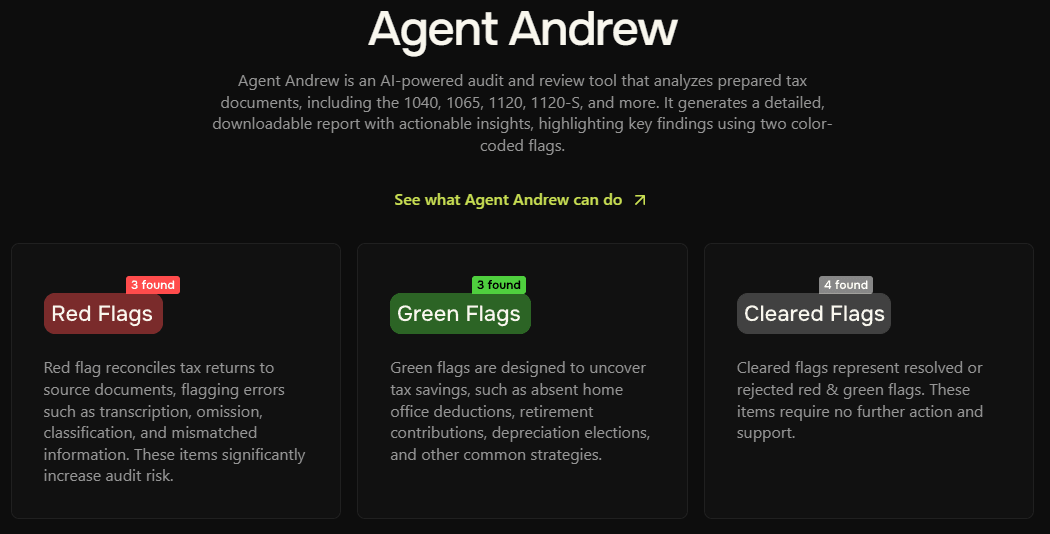
TaxGPT’s Agent Andrew launch post describes the agent as reconciling source documents against tax return outputs, including W-2s, 1099s, Form 1040, and supporting schedules. It uses red, yellow, and green flags to identify data entry errors, omissions, audit triggers, mismatches, missing carryovers, and possible deductions or credits.
This is a smart feature because return review is a bottleneck in many tax firms. Human reviewers spend time checking source documents, looking for omissions, comparing forms, and catching issues before filing. AI can help with that pattern-recognition and reconciliation work.
The limitation is scope and trust. TaxGPT’s Agent Andrew launch post includes a disclaimer saying Agent Andrew currently supports federal individual returns using digitally generated source documents and that AI results should be reviewed by a licensed tax professional before filing.
That caveat should stay front and center. Agent Andrew can be a useful second set of eyes. It should not become the only set of eyes.
TaxGPT is a strong fit for firms that answer many client questions and need source-backed responses faster.
Tax Writer is useful when the team needs a professional first draft grounded in tax authority, especially for repeatable communication formats.
Tax Matrix is useful for nexus, filing deadlines, state comparisons, and exportable jurisdiction tables.
Agent Andrew is useful for adding a review layer before filing, especially when checking source documents against return output.
Client Intelligence is useful when client facts, entity structures, prior positions, and filing history need to carry into future AI work.
TaxGPT also offers an individual taxpayer assistant, but the strongest public positioning is still toward professionals and businesses.
- Start with research, not final deliverables. Ask TaxGPT to explain the issue, cite authority, and identify exceptions before asking it to draft a memo or client email.
- Upload clean source documents. Document analysis and Agent Andrew become more useful when returns, W-2s, 1099s, K-1s, notices, and financial statements are complete and readable.
- Use Client Intelligence for recurring clients. The more client-specific context TaxGPT has, the less time users spend restating facts. That matters for multi-entity clients, recurring tax positions, and long-running advisory work.
- Treat Tax Writer as a first draft. TaxGPT itself recommends professional review before delivery. That should be standard firm policy, especially for memos, notice responses, and position letters.
- Customize Agent Andrew around your firm’s review checklist. The Agent Andrew page says users can provide firm checklists, focus areas, and supporting documents. That is a better workflow than relying on generic review alone.
- Keep source review in the process. A cited AI answer is better than an uncited answer, but citations still need to be checked for relevance, date, jurisdiction, and factual fit.
The first limitation is that TaxGPT still needs professional review. TaxGPT’s own public answer pages include disclaimers that its information is not legal advice, that generative AI systems can make mistakes, and that important information should be verified.
The second limitation is scope. TaxGPT is strong for U.S. and Canadian tax workflows, based on its public materials, but users with highly specialized international, local, payroll, estate, transfer pricing, or industry-specific issues should verify coverage before relying on it.
The third limitation is document quality. AI document analysis depends on what is uploaded. Missing pages, scanned documents, poor OCR, incomplete source files, or mismatched client records can lead to weak analysis.
The fourth limitation is workflow adoption. TaxGPT becomes more useful when firms build it into research, writing, document review, and client-management habits. If users only open it for occasional questions, they may miss the value of Client Intelligence and return-review workflows.
The fifth limitation is risk of overconfidence. TaxGPT’s answers may sound polished and well-structured. That can be helpful, but polished language should not be confused with final tax authority. The professional user still owns the judgment.
The sixth limitation is that some product claims are broad. TaxGPT presents a large platform: research, writing, Matrix, document analysis, Client Intelligence, Agent Andrew, tax preparation support, and individual assistance. A firm should test the exact workflows it needs rather than assuming every module will match its review standards immediately.
TaxGPT is best for tax professionals and firms that want an AI assistant built around real tax practice work: cited research, memo drafting, notice responses, document analysis, multi-jurisdiction research, client intelligence, and AI-supported return review. Its strongest advantage is the way those pieces connect. It is not just a chat assistant for tax questions; it is moving toward a full AI tax workflow layer.
The main caveat is responsibility. TaxGPT can speed up research, drafting, review, and client context, but it should not replace professional due diligence. The best users will treat it like a fast, tax-aware assistant that prepares drafts, spots issues, and organizes research while the CPA, EA, tax attorney, or preparer keeps final control.
TAGS: Finance
Related Tools:

Time tracking and project management tool

Visualizes workflows, automates tasks, and provides real-time analytics

Streamline workflows, manage resources, and collaborate efficiently

Enhances team collaboration

Comprehensive project management platform

Integrates document creation and project management