Share this tool:
 |
Description:
Parallel AI is an AI revenue platform built for businesses that want more than a chatbot or writing assistant. Its core pitch is that teams can use AI agents to find qualified leads, launch personalized outreach, generate content, handle customer service, and connect those workflows to CRM and business tools. That makes it closer to a go-to-market automation platform than a general-purpose AI assistant.
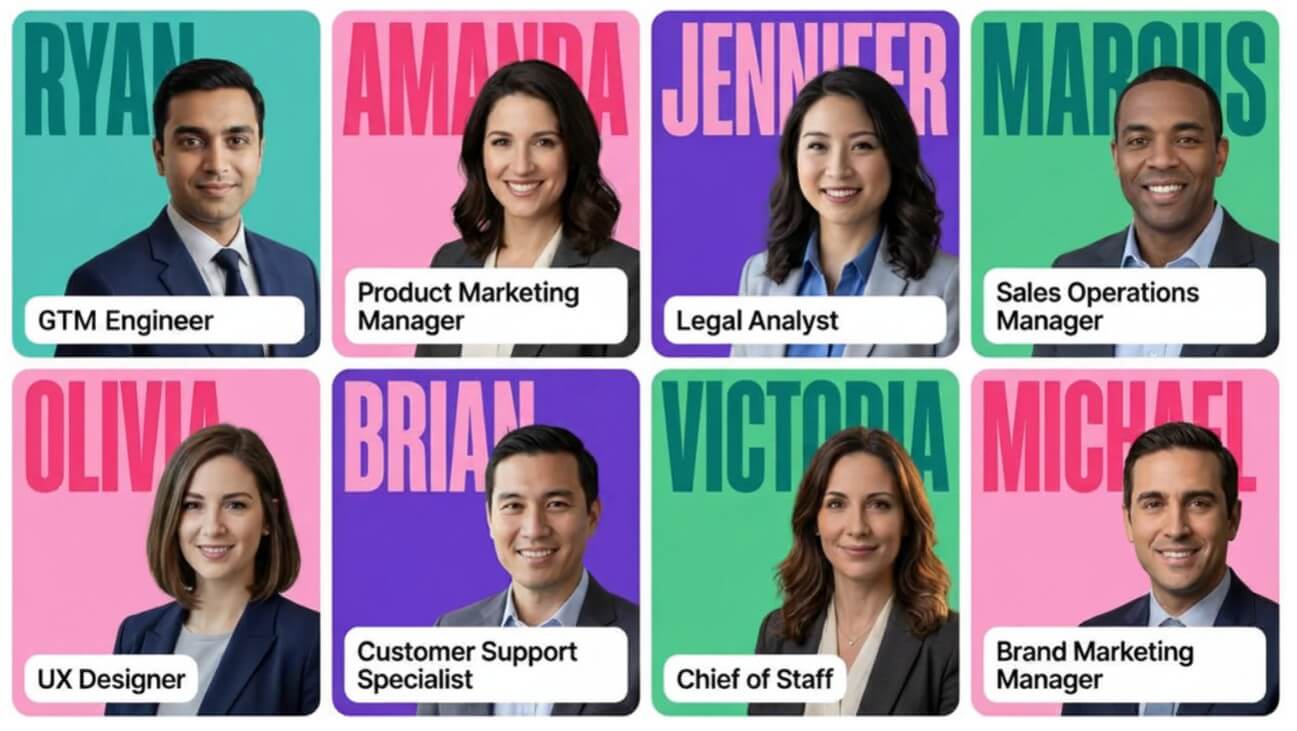
Parallel AI is designed around the full revenue journey: lead generation, outreach, content production, customer support, and AI reception. Its homepage describes the platform as a way to replace fragmented tools with AI agents that work across voice, email, SMS, and chat, while integrating with systems like Salesforce and HubSpot.
That positioning matters. Many AI tools focus on one narrow job: write email copy, summarize documents, answer support questions, or automate a workflow. Parallel AI tries to combine several of those jobs into one business platform. The value is not just “AI can write this for me.” The value is that a team can build a connected system where leads, content, outreach, support, and customer data feed into each other.
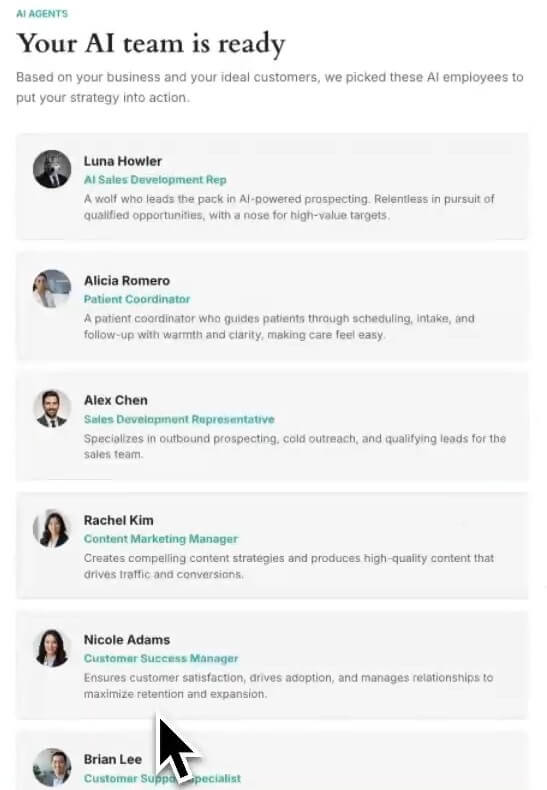
This makes Parallel AI most relevant for small businesses, agencies, sales teams, and operators who feel stretched across too many tools. It is less of a pure creative assistant and more of an AI operations layer for growth work.
Parallel AI is strongest when a business needs repeatable revenue tasks done with less manual coordination. That includes finding prospects, enriching lead lists, writing outreach, managing follow-ups, producing brand-aligned marketing content, and responding to customer inquiries.
The homepage’s Smart Lists feature lets users describe their ideal customer in plain English, then search multiple databases, enrich contact details, and sync qualified leads to a CRM. That is a practical use case because lead generation often fails when teams spend too much time building spreadsheets and not enough time having sales conversations.
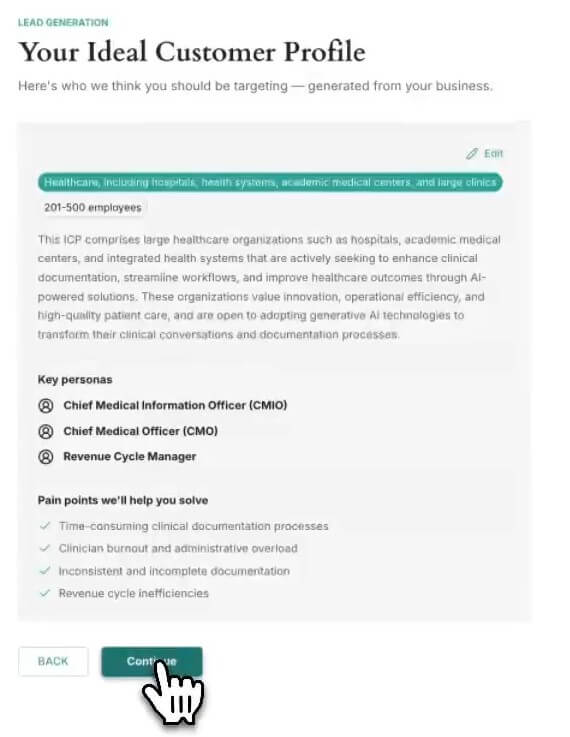
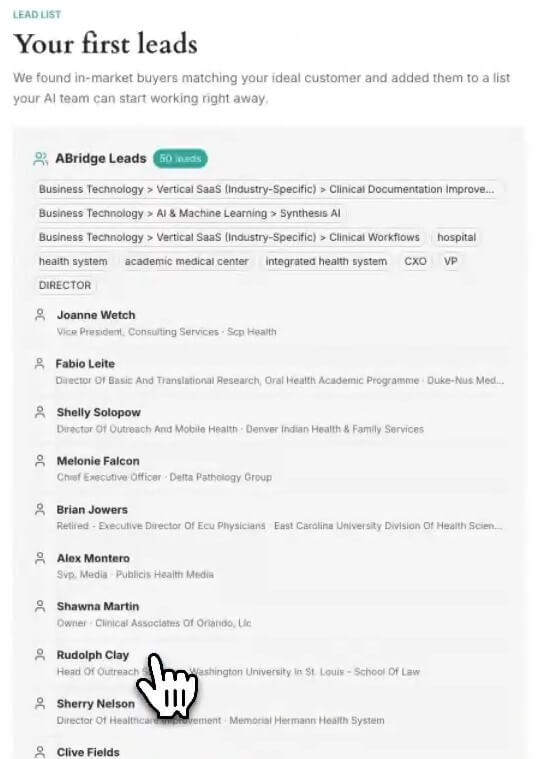
Parallel AI also leans heavily into multi-channel outreach. The platform says users can launch personalized sequences across email, LinkedIn, and phone, with AI handling follow-ups, replies, and meeting booking.
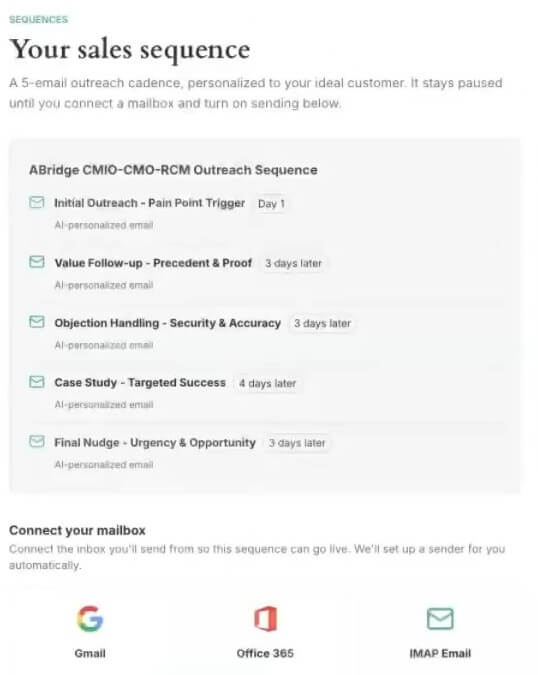
For small teams, that can be the difference between a campaign that runs consistently and one that dies after a few manual follow-ups.
| Feature | What it does in practice |
|---|---|
| Smart Lists | Helps users find, enrich, and qualify leads based on target audience descriptions. |
| Multi-Channel Sequences | Runs outreach across email, LinkedIn, and phone with AI-assisted follow-up. |
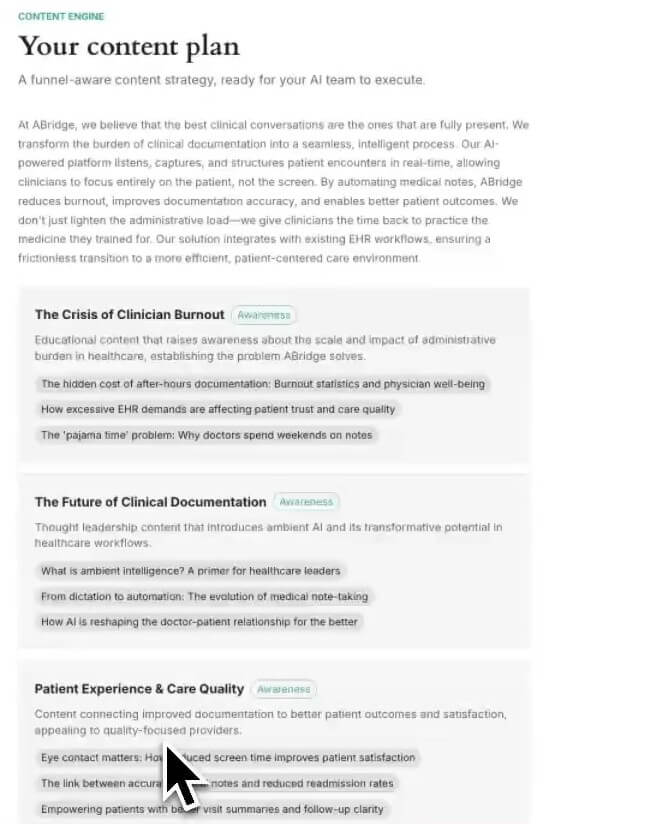
| Content Engine | Generates blog posts, social posts, emails, graphics, reports, and marketing copy in a brand voice. |
| Support Agents | Handles support tickets, live chat, and phone calls using product and policy knowledge. |
| AI Receptionist | Answers calls, texts, and website chats, then qualifies leads, books meetings, and updates CRM records. |
| Integrations | Connects with Salesforce, HubSpot, Gmail, Slack, LinkedIn, Notion, Shopify, n8n, and many other tools. |
Parallel AI also has a Chrome extension that lets users access the platform inside other websites. The Chrome Web Store listing describes it as a way to use Parallel AI anywhere on the web and connect it with business knowledge bases.

Parallel AI’s workflow is built around business outcomes rather than isolated prompts. A user might start by defining a target customer, building a lead list, launching a campaign, generating content around the same audience, and setting up an AI agent to answer common questions from prospects.
That structure is helpful because sales and marketing work is rarely one step. A lead list without outreach is unfinished. Outreach without follow-up is weak. Content without a pipeline strategy is often scattered. Parallel AI’s main benefit is that it tries to connect those pieces.
The platform also says it supports more than 1,000 integrations and includes native n8n workflow automation and API access. That is useful for teams that already work across CRM, inboxes, messaging tools, project systems, and ecommerce platforms. The more scattered your workflow is, the more useful a connected AI layer can become.
The trade-off is that users need to know what they want to automate. Parallel AI may reduce tool switching, but it cannot decide your positioning, ideal customer profile, sales process, escalation rules, or brand strategy for you.
The Content Engine is one of the easiest parts of the platform to understand. Parallel AI says it can create blog posts, social content, marketing copy, graphics, reports, and emails in a user’s brand voice, with automatic publishing support. That makes sense for founders and small teams that need a steady content rhythm but do not have a full marketing department.
The stronger use case, though, is when content connects to sales. A tool that writes posts is useful. A tool that writes posts, builds lead lists, launches outreach, and routes replies into the next step is more operationally valuable.
Support is another important layer. Parallel AI says its support agents can handle tickets, live chat, and phone calls using a company’s product knowledge, policies, and customer history, while escalating complex issues to the team. That can be useful for simple, repetitive questions, appointment booking, lead qualification, and routing. It still needs careful setup, because customers will notice quickly if the AI gives vague, outdated, or overconfident answers.
Parallel AI is a strong fit for agencies that want to offer AI automation, sales teams that need better prospecting and follow-up, small businesses that cannot hire separate sales and support staff, and founders who need consistent content and outreach without managing several disconnected tools.
It is also useful for service businesses that receive calls, texts, chats, and email inquiries throughout the day. The AI Receptionist feature is built for answering across phone, SMS, and website chat, qualifying prospects, booking meetings, and updating CRM data.
Recruitment firms, business development teams, and account-based marketing teams are also called out as good fits for Smart Lists. That makes sense because those workflows depend on finding the right people, segmenting them, and following up in a structured way.
Parallel AI sits between a few categories. It overlaps with CRM automation, AI sales development tools, chatbot platforms, content generators, and workflow automation tools.
Compared with a general chatbot, Parallel AI is more business-system oriented. It is designed to act across tools, not just answer questions in a chat window.
Compared with a basic email automation tool, it is broader because it includes lead sourcing, content, support agents, and receptionist-style workflows.
Compared with Zapier-style automation, Parallel AI is more focused on AI-led revenue tasks. Its own comparison article frames the difference as AI workflows versus traditional trigger-action automation, with Parallel AI positioned around multi-agent and parallel task handling.
Parallel AI may feel like too much platform for users who only need one job done. If you only want a content writer, a dedicated writing tool may be easier. If you only need a support chatbot, a support-focused platform may offer deeper ticketing controls. If you only need simple app-to-app automation, a traditional automation tool may be more familiar.
The second trade-off is setup quality. AI agents are only as useful as the instructions, business data, integrations, and escalation rules behind them. Weak source material will lead to weak answers. Poor lead criteria will create poor prospect lists. Generic brand guidance will create generic content.
There is also a trust issue with automation. Sales outreach, support replies, and AI receptionists directly touch customers and prospects. Teams should test messages, monitor replies, review call handling, and keep humans involved for sensitive or high-value interactions.
Parallel AI is best for small teams, agencies, and growth-focused businesses that want AI to handle more of the revenue workflow, from prospecting and outreach to content, support, and lead response.
Its main strength is the connected platform approach: Smart Lists, sequences, content, agents, receptionist workflows, and integrations all point toward the same goal. The main caveat is that it needs strong setup and oversight. Parallel AI can reduce manual work, but it works best when the business already understands its customers, message, process, and handoff rules.
TAGS: Productivity
Related Tools:
Helps teams plan, organize, and automate projects
Streamlines note-taking, task organization, and insight generation
Simplifies creation of visual content for marketing
Turns your to-do list into a time-blocked schedule
Automates and customizes business operations

Helps users search the web, analyze pages, and complete research tasks