
Share this tool:
 |
Description:
Apply Hero is an AI job search automation platform for people who want to send more targeted applications with less manual work. Instead of asking users to search, rewrite, copy, paste, and submit every application by hand, it combines resume tailoring, cover letter generation, job matching, application automation, and tracking into one workflow.
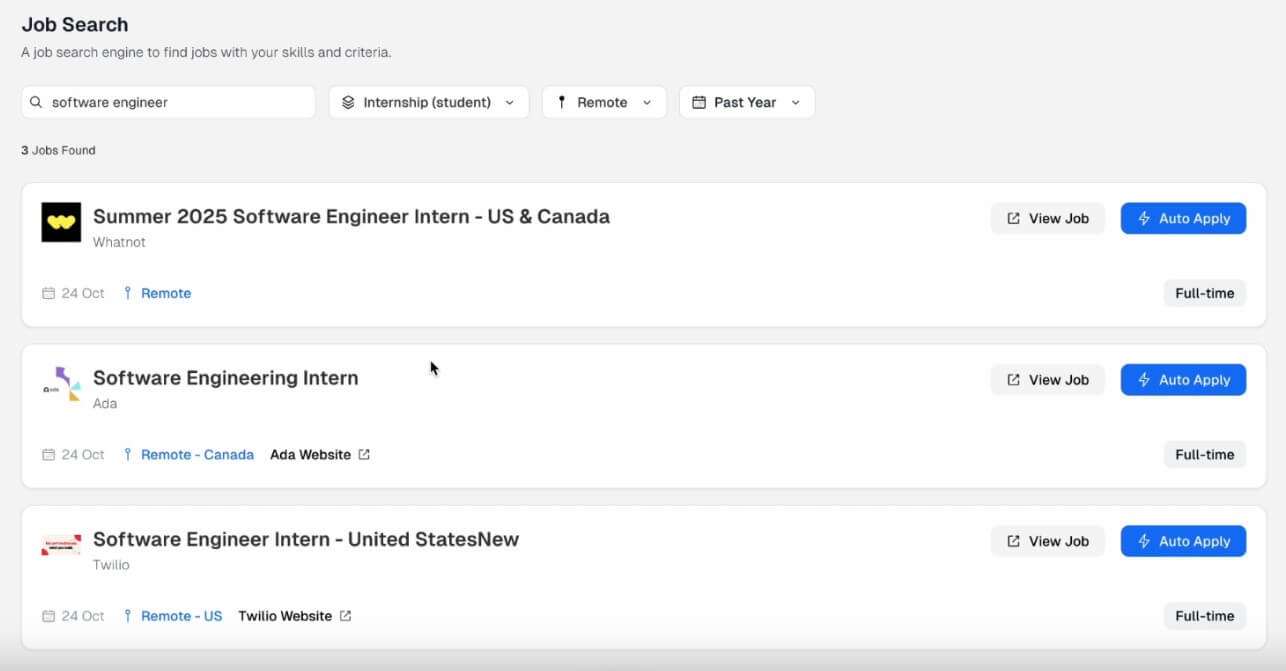
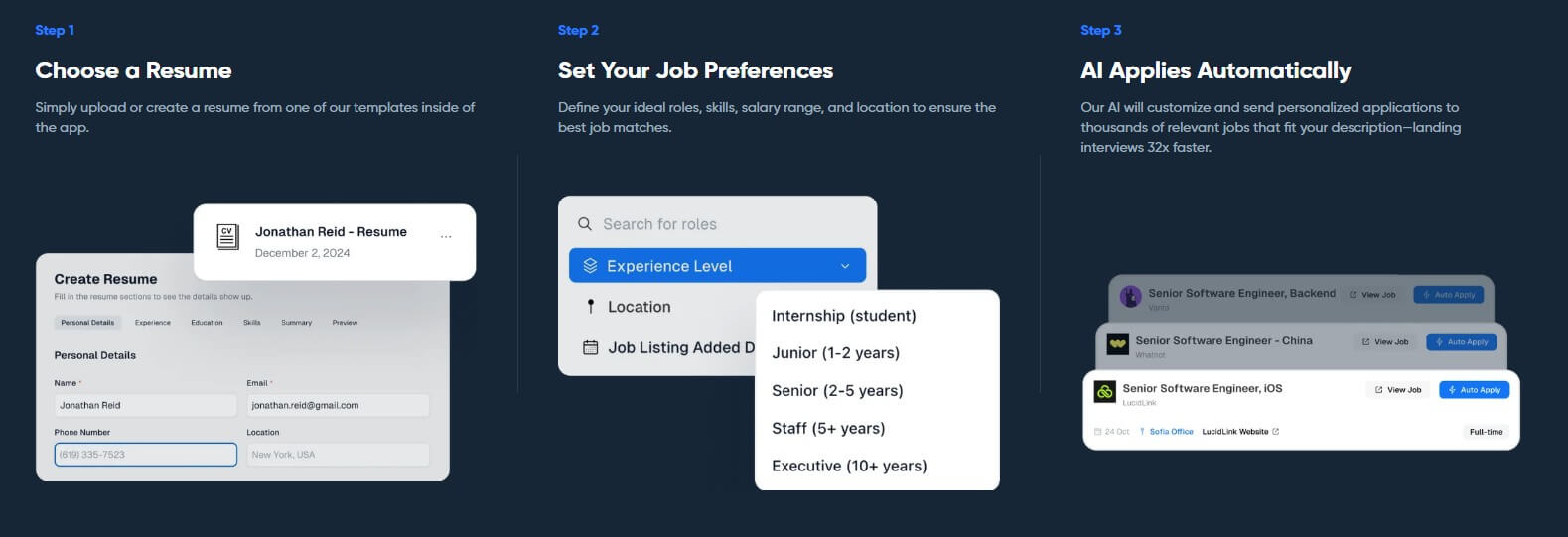
Apply Hero is closer to an AI job application agent than a standard resume builder. The user uploads or creates a resume, sets job preferences, and lets the system find and apply to matching roles. Apply Hero says its AI analyzes each job posting and tailors each application with custom resumes, smart job matching, and more hands-off application submission.
That makes the product useful for a specific kind of job seeker: someone who is actively applying at scale. If you only need one polished resume for a referral-based search, Apply Hero may be more automation than you need. But if you are applying to many jobs across similar roles, the platform’s value becomes easier to see.
The key idea is volume plus personalization. Traditional job searching often forces a trade-off. You either apply broadly with a generic resume, or you tailor each application and move slowly. Apply Hero tries to close that gap by adjusting resumes and cover letters for each role while still sending applications at scale.
Apply Hero is strongest for job seekers who already know the kind of role they want and need help executing the repetitive parts of the search. The best fit is not someone exploring every possible career path. It is someone who can define target titles, locations, industries, seniority levels, remote preferences, and role requirements.
The platform’s homepage highlights several core capabilities: auto applying to jobs, AI-optimized resumes, custom cover letters, fast submission when jobs go live, and interview-focused outcomes. The “first to apply” feature is especially relevant because many job boards become crowded quickly. Being early is not enough to get hired, but it can help when applications are reviewed in order or when recruiters move fast.
The stronger use case is high-volume, role-specific searching. For example, a software developer applying to remote frontend roles, a marketer targeting growth roles, or an analyst applying to business intelligence openings could benefit from automation as long as the job preferences are narrow enough.
| Feature | What it does | Why it matters |
|---|---|---|
| Auto Apply | Finds and submits applications on behalf of the user | Reduces repetitive job board work |
| AI Resume Tailoring | Adjusts the resume for each job posting | Helps align skills and experience with role requirements |
| Cover Letter Generation | Creates job-specific cover letters | Avoids sending the same generic letter repeatedly |
| Smart Job Matching | Finds roles based on user preferences and qualifications | Helps reduce irrelevant applications |
| Resume Score Analyzer | Reviews resume quality and fit signals | Gives users a way to improve before applying |
| Application Tracking | Helps users see what has been sent and where | Keeps the search from becoming messy |
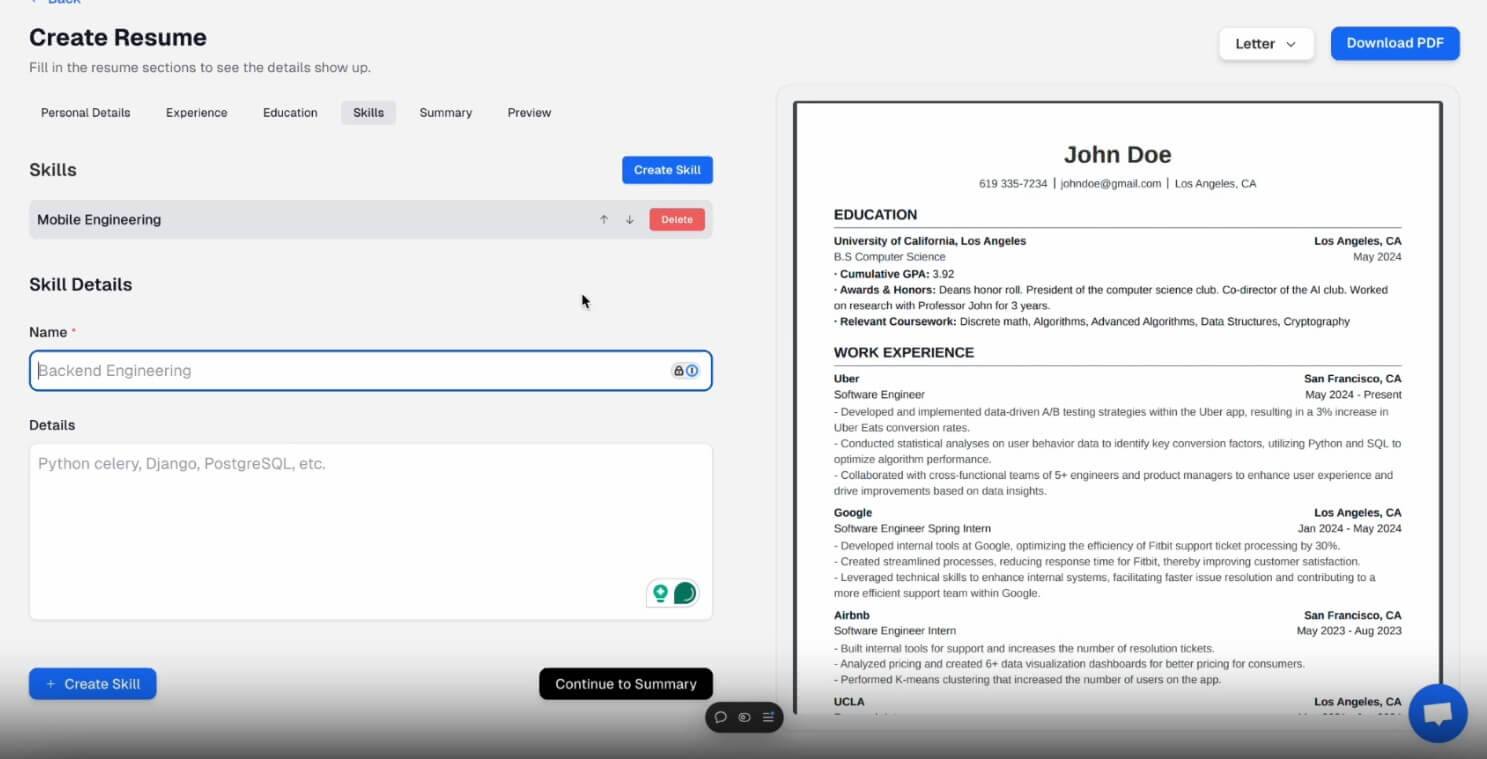
The resume tailoring layer is the most important feature. Apply Hero says each resume is tailored to the job and optimized for applicant tracking systems, with the goal of showing the candidate’s strongest relevant skills.
That is useful because many job seekers underestimate how different two similar postings can be. One product manager role may care about analytics and experimentation. Another may care more about stakeholder communication and roadmap ownership. A single static resume may not frame the same background well for both.
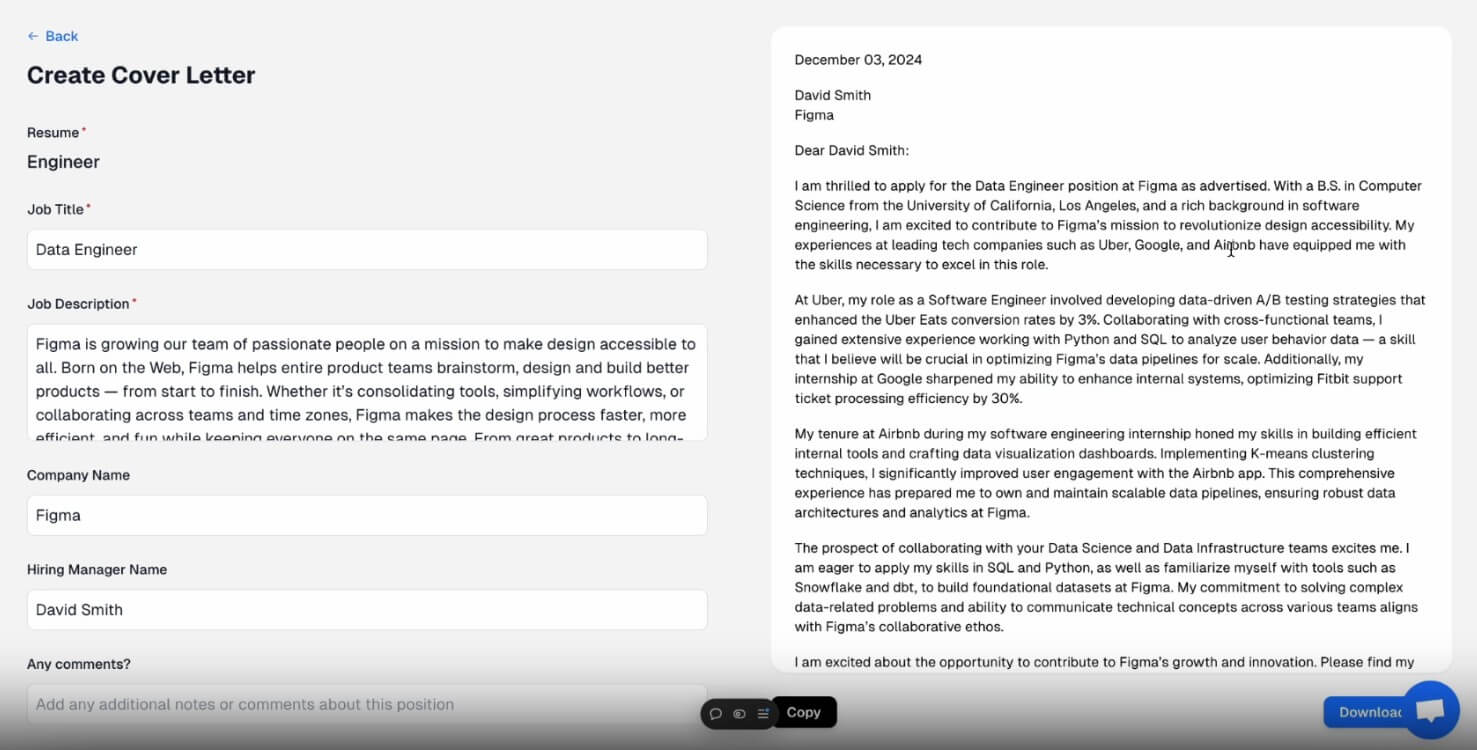
The cover letter generator supports the same idea. Apply Hero says it creates personalized, job-specific cover letters that match what recruiters are looking for. This can save time, but users should still review tone and accuracy. A cover letter should not sound like a form letter with the company name swapped in. The best version adds a specific reason for interest, one or two relevant wins, and a clear connection to the role.
The auto-application feature is Apply Hero’s most distinctive part. The platform says it can find and apply to jobs automatically, letting users focus more on interview preparation than repetitive submissions.
This is useful, but it also requires trust. Once a tool submits applications on your behalf, small mistakes can scale quickly. Wrong roles, weak matches, outdated resume details, inaccurate answers, or poorly matched cover letters can create more noise than value.
The workflow should not be treated as “set it and forget it.” It is better to think of Apply Hero as a high-speed assistant that still needs clear instructions and regular review. Apply Hero’s own blog on auto job appliers acknowledges some common risks, including lack of personalization, over-application, limited control, and potential errors. That is an important point. Automation can increase reach, but more applications are not always better if the roles are poorly matched.
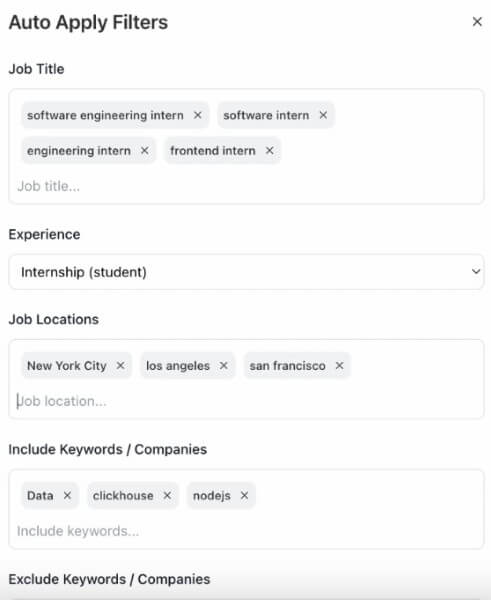
Smart job matching is what determines whether Apply Hero feels useful or wasteful. A strong resume and good cover letter will not help much if the tool applies to roles outside your real target. The homepage lists smart job matching as one of its core benefits, and alternative pages describe a flow where users upload a resume, set preferences, and let the AI match and apply to jobs.
Users should spend time on preferences before activating automation. Role title, location, remote rules, seniority, industry, salary expectations, required skills, and deal-breakers should be specific. Broad settings may produce volume, but volume can quickly turn into irrelevant applications.
Apply Hero’s workflow is built for speed: create or upload a resume, define preferences, let the system generate tailored materials, and track the applications. This is easier than manually repeating the same process across job boards.
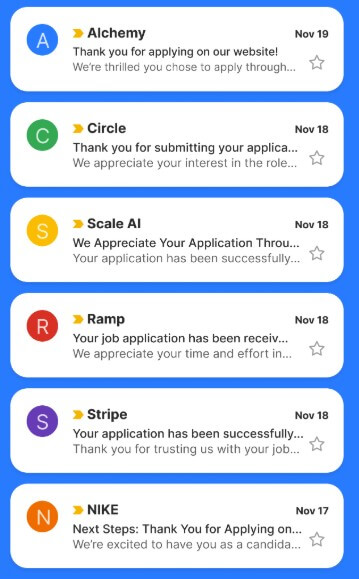
The application tracker matters because automation without visibility can feel risky. A serious job search needs records: where you applied, when the application went out, which version of the resume was used, and which companies responded. Apply Hero’s public pages and social descriptions emphasize tracking applications, but users should still keep their own notes for important roles, recruiter conversations, and interview stages.
Apply Hero handles sensitive career data, so privacy deserves attention. Its privacy policy says it may collect account information, submitted content, actions taken in the web app, transactional information, log and usage data, cookies, location information, and information from linked services or integrations.
That is not unusual for a web app, but the context matters. Resumes, job preferences, application history, and career details can reveal personal and professional information. Users should review what they upload, avoid adding unnecessary private details, and understand how linked services are used before connecting accounts.
Apply Hero is best for active job seekers applying to many similar roles. It fits candidates in technology, marketing, sales, operations, customer success, finance, analytics, and administrative roles where applications are often submitted through structured online forms.
It is also useful for people who struggle with consistency. If you keep finding jobs but delay applying because resume tailoring takes too long, Apply Hero can reduce that friction.
It is less ideal for highly relationship-driven job searches, senior executive roles, niche academic roles, creative portfolio-heavy work, or jobs where personal outreach matters more than application volume.
The biggest trade-off is control. Automation saves time, but it can also apply to roles you would have skipped manually. Users should review settings often and check application history.
The second issue is personalization depth. AI can tailor documents, but it may not fully understand career nuance, company context, or why a specific role matters to you.
The third limitation is strategy. Apply Hero can help with applications, but it cannot replace networking, referrals, interview preparation, portfolio quality, or market fit.
Apply Hero is best for job seekers who want to automate a high-volume application process while still using tailored resumes and cover letters. Its strongest value is the combination of smart job matching, auto applications, resume optimization, cover letter generation, and tracking. It is a strong fit for active applicants targeting many similar roles. The main caveat is that automation needs supervision. Apply Hero can speed up the job search, but users still need clear preferences, careful review, and a real strategy beyond submitting more applications.
TAGS: Productivity
Related Tools:

Improves team communication and project management

Automates repetitive tasks
Helps teams plan, organize, and automate projects

AI-powered academic writing tool
Prioritizes important emails, summarizes less critical emails

Merges documents, spreadsheets, and apps to help teams collaborate