Share this tool:
 |
Description:
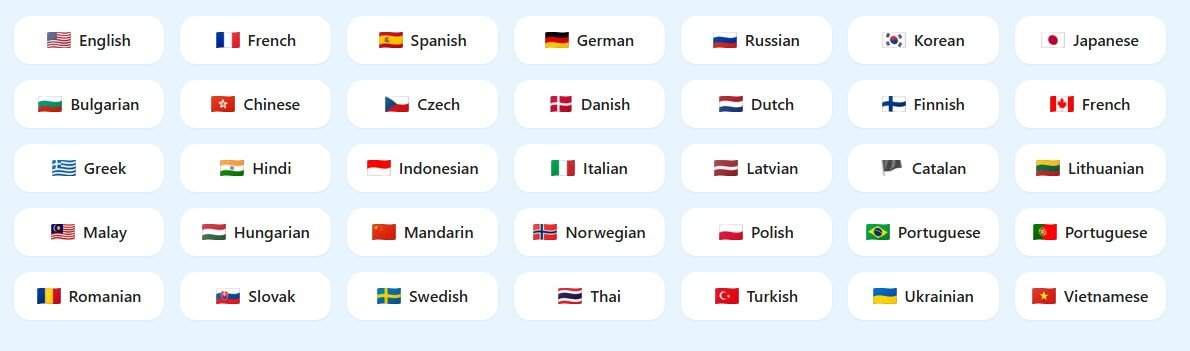
Vocalo is best understood as an AI speaking tutor, not a broad all-purpose language platform. Its public site centers spoken English practice through real-time conversation, personalized curriculum, dynamic exercises, progress tracking, live translation, and detailed feedback on how you speak. It also lists support for 35+ languages, but the product story is still anchored most strongly around spoken English fluency.
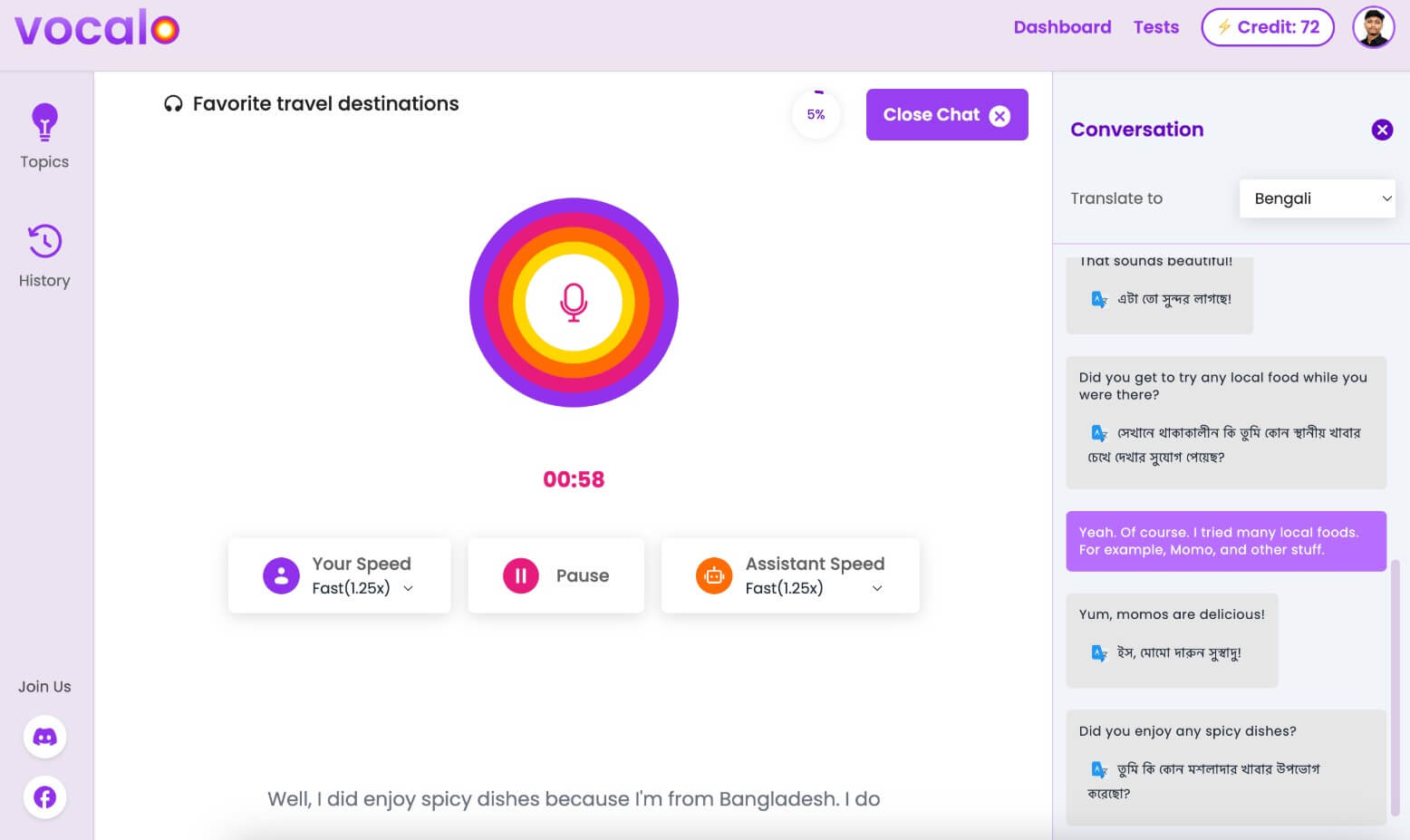
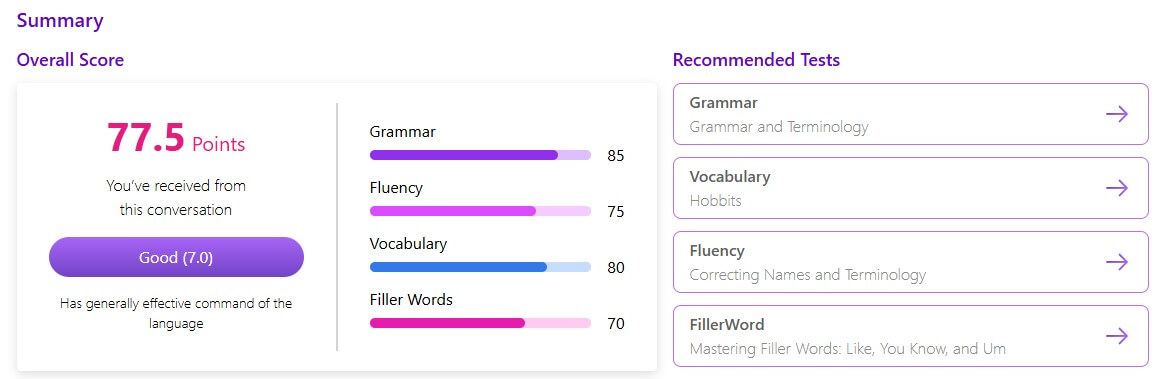
The main thing to know is that Vocalo is built around one learning loop: speak with the AI, get feedback on grammar, vocabulary, filler words, and fluency, then continue with exercises and a curriculum that adapt to your level and goals. That makes it more focused than a general chatbot and more conversational than a lesson-first app. The platform is trying to solve a specific problem: giving learners regular speaking reps without needing to schedule a human tutor every time they want practice.
That distinction matters. A lot of language tools help with memorization, translation, or text exercises. Vocalo’s public positioning is narrower and more practical. It is about speaking out loud, hearing a response, and getting corrected in a way that feels closer to a real exchange than to a static worksheet. The strongest part of the concept is not novelty. It is repetition with feedback.
Vocalo presents the AI as an always-available speaking partner for continuous conversation.
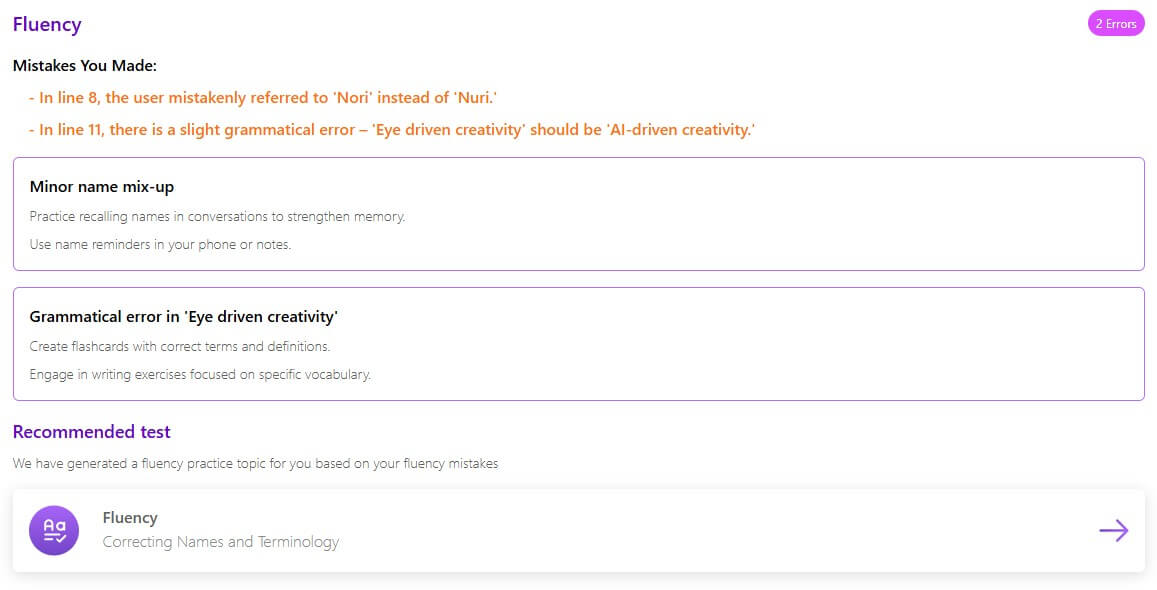
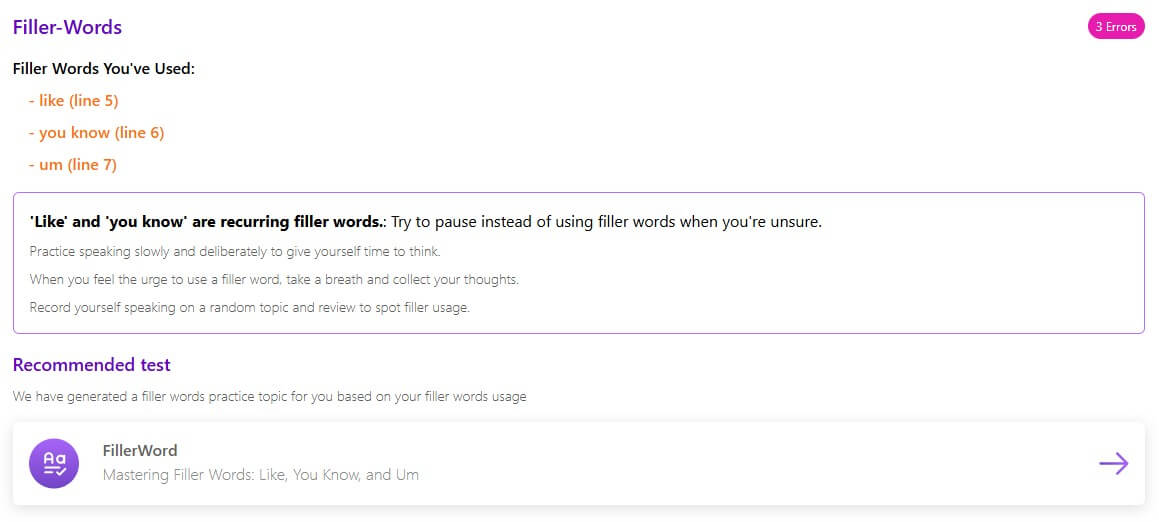
The platform highlights feedback on grammar, vocabulary, filler words, and fluency.
Lessons and pacing are meant to adjust to current level and learning goals.
Translation runs during conversation and can be reviewed afterward.
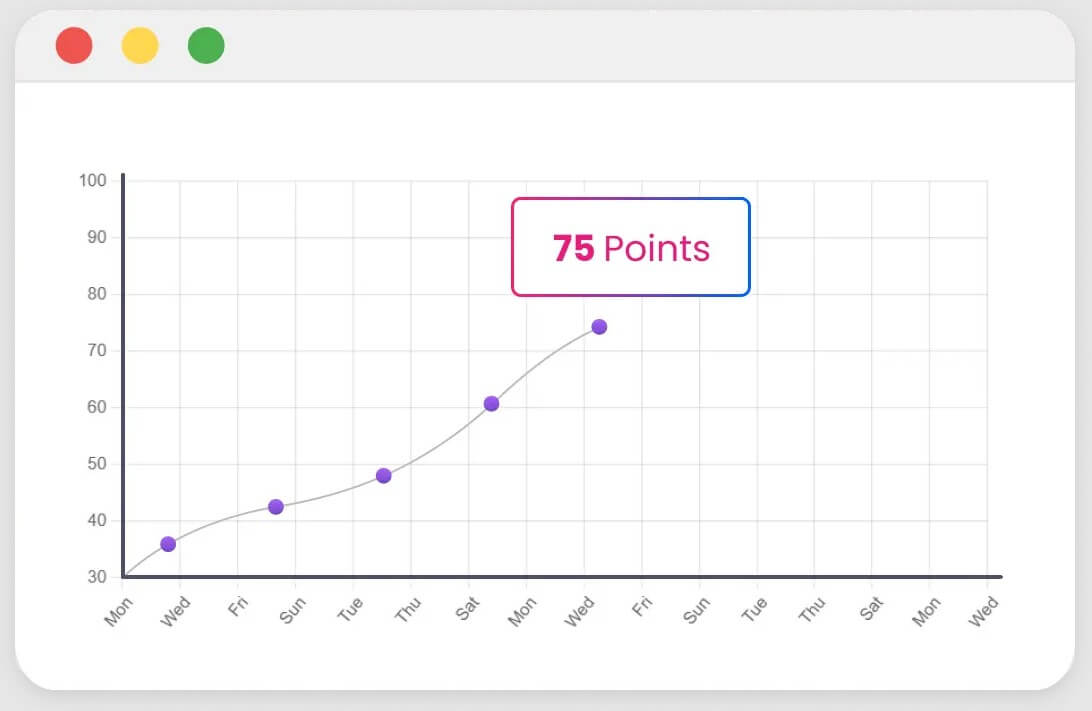
Follow-up practice is shaped by conversation history, goals, and current level, with improvement tracked over time.
The site says the service is available across both, with the web app serving as the entry point.
Vocalo looks strongest for learners who already know some English but do not get enough real speaking time. That is a common gap. Reading and listening can improve quietly for months, while speaking stays hesitant because there is no low-pressure place to practice. Vocalo’s appeal is that it reduces that friction. You can open the app, talk, get corrected, and keep going. There is no teacher schedule to match, and no need to juggle separate tools for conversation, review, and practice planning.
It also seems stronger than a basic “chat with AI” experience because the product is structured around feedback categories that matter in spoken fluency. Grammar correction is useful, but filler words, vocabulary range, and fluency are often what make speech sound uncertain or repetitive. Vocalo’s decision to call those out is one of the more practical parts of the product. It suggests the platform is trying to improve how you sound in conversation, not just whether a sentence is technically correct.
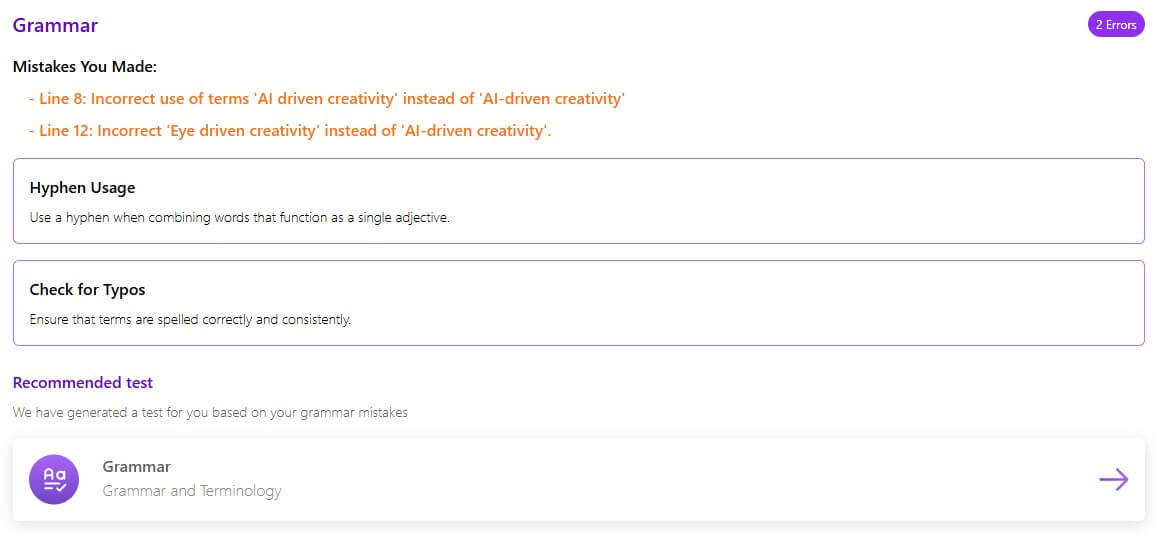
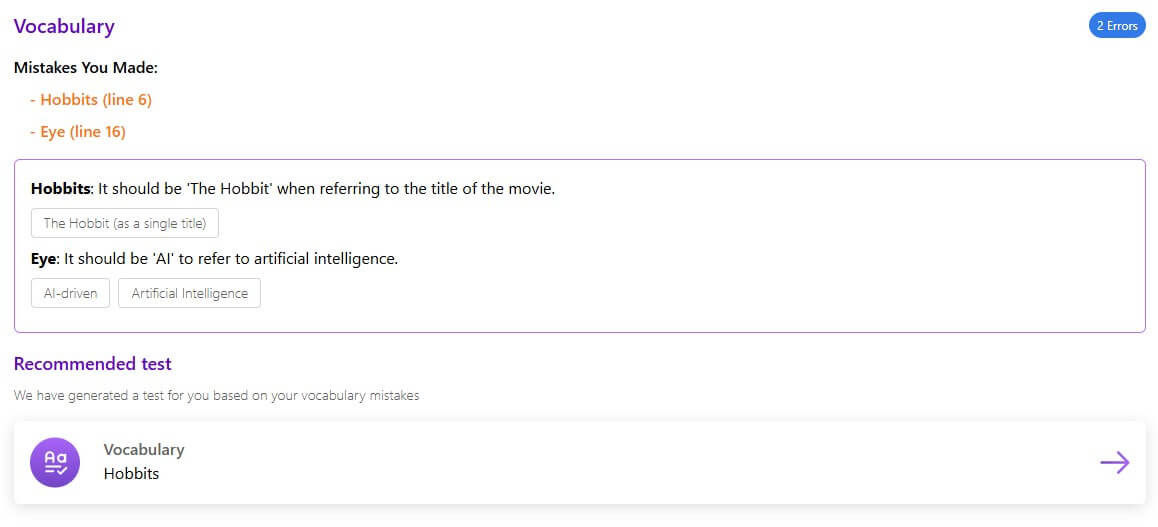
The workflow appears straightforward. You sign in, start a conversation, speak with the AI, then review feedback and continue with exercises or the personalized curriculum. That simplicity matters more than it sounds. Language tools often become less useful when too much of the work happens outside the actual speaking moment. Vocalo keeps the loop tight: conversation first, analysis second, then targeted follow-up.
The platform also benefits from being available on phone and computer. That makes the habit easier to sustain, especially for learners trying to fit short speaking sessions into a normal day. Public product pages also frame the experience as immersive and available anytime, which fits the product’s biggest strength: it is designed to make repeated spoken practice easier to start, not harder.
The same focus that makes Vocalo appealing also limits it. Its public product pages emphasize conversational practice, translation, feedback, exercises, gamification, and self-paced learning. They do not present the product as a full exam-prep system, a human tutoring marketplace, or a broad writing-and-reading platform. So this looks better for spoken fluency work than for learners who want deep teacher guidance, formal test preparation, or a more complete course structure across every language skill.
There is also a practical nuance around the “35+ languages” claim. The site lists many languages, but most of the product messaging still leads with English speaking practice. That does not make the broader language support unimportant, but it does suggest that English remains the clearest documented use case. If you plan to use Vocalo mainly for another language, it is worth treating that as something to verify in practice rather than assume will feel equally mature across every language listed.
- Learners who understand English reasonably well but freeze during real conversation.
- Self-paced users who need frequent speaking reps without booking a tutor.
- People who want feedback on fluency habits, not just grammar mistakes.
- Users in places where real English conversation is hard to find regularly.
Use Vocalo with a narrow goal at first. Repeating familiar scenarios such as introductions, meetings, interviews, travel, or everyday small talk will make the feedback easier to act on. Treat live translation as support, not the center of the session, or you may reduce the speaking pressure the tool is meant to build. And pay close attention to filler words and fluency notes after each conversation. Those are the habits many learners miss when they focus only on grammar, and Vocalo explicitly surfaces them as part of its feedback model.
Vocalo looks like a focused, useful AI speaking practice tool.
Its strongest qualities are the conversation-first workflow, immediate feedback, personalized curriculum, and follow-up exercises tied to your speaking history.
It is best for learners who need regular spoken practice and a structured way to notice recurring weaknesses. The main caveat is that it appears narrower than a full course or a human tutoring setup, so it makes the most sense when your real goal is fluency practice, not total language coverage.
TAGS: Self Improvement
Related Tools:
AI-powered language learning tool
Facilitates English language learning

Helps entrepreneurs practice and improve their pitches

Captures, organizes, and reviews your reading highlights
Enhancing organizational efficiency and decision-making

Provides feedback and analysis to improve communication skills