

Share this tool:
 |
Description:
Thoughtly is an AI voice-agent platform for businesses that want automated phone agents to call leads, answer inbound calls, qualify prospects, book appointments, collect information, transfer calls, send follow-ups, and update business systems. It is aimed at sales, support, and operations teams that still depend on phone conversations but do not want every first-touch call handled manually.

Thoughtly is strongest when the business problem is not “we need a chatbot,” but “we need to reach people quickly by phone and keep the CRM updated.” The homepage frames the product around agents that are trained on a company’s script and brand, call leads quickly, and continue follow-up across SMS, email, and WhatsApp. That tells you a lot about where Thoughtly fits: high-intent lead response, missed-call recovery, qualification, scheduling, and repeatable phone workflows.
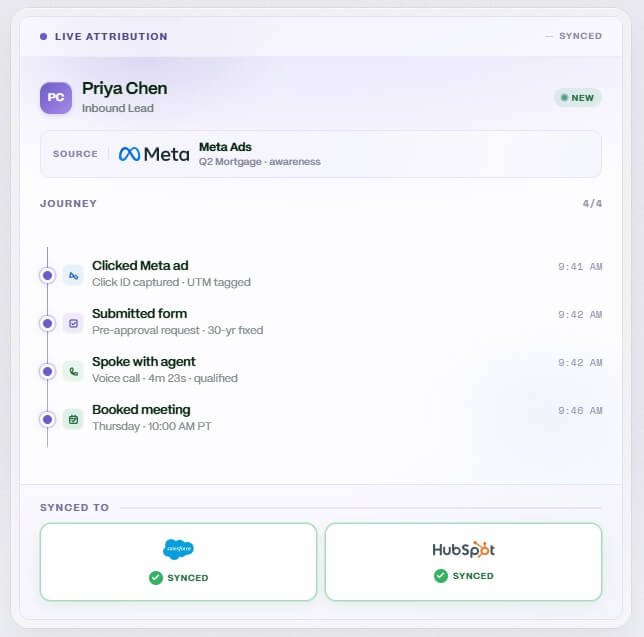
The most useful part is the CRM connection. Thoughtly says call notes, deal stage, next steps, and conversation outcomes can be written back to Salesforce, HubSpot, and the rest of a team’s stack. That matters because phone automation loses value if a human still has to clean up notes, update records, and guess what happened after each call.
This makes Thoughtly a better fit for revenue teams than for casual automation users. It is designed for businesses where speed, follow-up, routing, and recordkeeping affect pipeline. A home services company, insurance agency, education provider, clinic, real estate team, or B2B sales team could use it to handle more first-touch conversations without adding more reps.
| Feature | What It Means in Practice |
|---|---|
| AI Voice Agents | Agents can answer questions, schedule appointments, qualify leads, collect details, transfer calls, and send SMS follow-ups. |
| No-Code Agent Building | Thoughtly’s workflow centers on building an agent, connecting systems, and deploying it to a phone number. |
| CRM and Calendar Integrations | Agents can connect with CRMs, scheduling tools, communication apps, and productivity platforms. |
| Automations | Workflows can trigger agents from schedules, CRM events, or webhooks, then run post-call actions like tagging and sync. |
| Agent Actions and API | Teams can connect systems through mid-call actions, automations, or a REST API when they need custom workflows. |
| Conversation Variables | Agents can capture information during calls and use it for branching, CRM updates, notes, and automations. |

Thoughtly’s setup is built around three steps: build the agent, connect systems, and deploy to phone. In practice, that means creating the call flow, training the agent on what it should say, connecting tools such as a CRM or calendar, then assigning the agent to handle inbound or outbound calls.
The no-code approach is useful, but it should not be mistaken for “no planning required.” A good AI phone agent still needs a clear role. Is it qualifying inbound leads? Booking appointments? Routing support calls? Collecting intake details? Calling stale leads? Each one needs different questions, different fallback rules, and different handoff logic.
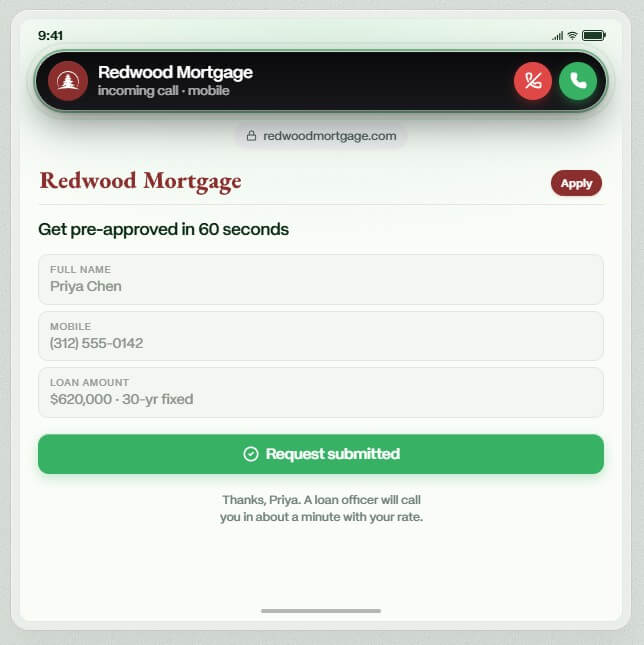
The strongest Thoughtly workflow looks like this: a lead enters the CRM, an automation triggers a call, the agent asks qualification questions, captures key answers, books or routes the lead, then updates the CRM with the outcome. Thoughtly’s automation docs make a useful distinction here: voice agents are conversational, while automations are deterministic. That means the business rules can run in a predictable way, even though the phone conversation itself is more flexible.
That distinction matters. In sales and support, some steps should not be improvised. If a caller asks to reschedule, the agent should check availability. If a lead is outside the service area, the CRM should be tagged correctly. If a prospect asks for a human, the transfer path should be defined. Thoughtly is most useful when the AI conversation is wrapped in structured workflow rules.
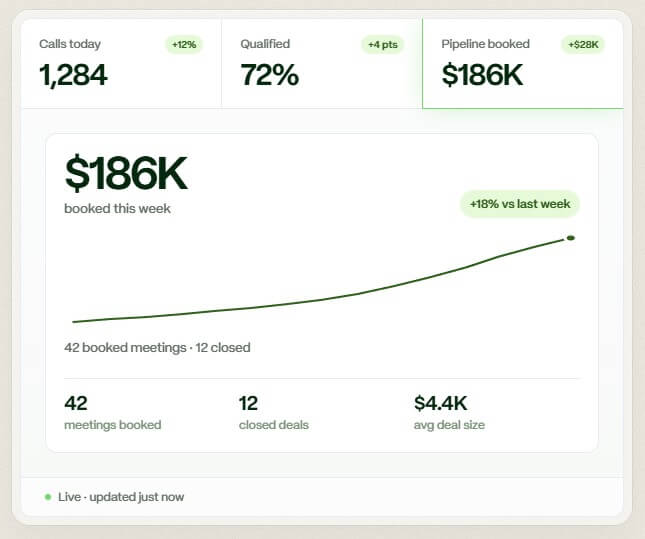
For an AI phone platform, voice quality is only part of the review. The bigger question is whether the system can behave reliably enough for business calls. Thoughtly’s documentation points to practical controls such as conversation flows, variables, outcomes, actions, CRM updates, and human transfers.
Variables are especially important. They let the agent capture details from the caller and use them inside the same conversation or later in CRM updates and automations. That turns a call from a loose transcript into structured data. For example, an agent could capture budget range, location, urgency, preferred appointment time, lead type, or reason for calling, then use those answers to decide what happens next.
Thoughtly also appears stronger for controlled workflows than for vague, open-ended phone conversations. That is not a weakness by itself. Most business calls do better with guardrails. The best results will likely come from focused agents with a narrow job, clear success criteria, and a tested escalation path.
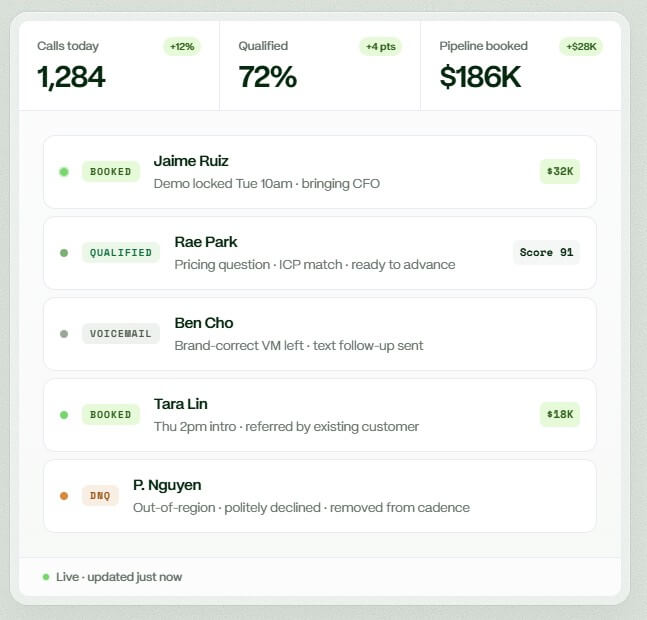
- Inbound lead qualification: Thoughtly is a strong match for teams that need to respond to form fills, quote requests, demo requests, or ad leads while the prospect is still active. Its homepage emphasizes fast lead calling and multi-channel follow-up.
- AI SDR workflows: Thoughtly’s docs describe a sales development use case where agents qualify inbound leads, answer product questions, handle objections, schedule appointments, and update the CRM with call outcomes.
- Appointment scheduling: The platform fits appointment-heavy teams because agents can check availability, book appointments, handle rescheduling, send SMS confirmations, and integrate with calendar systems.
- Receptionist and routing workflows: Thoughtly can act as a front-line phone agent that greets callers, identifies intent, routes to the right person or department, takes messages, and handles after-hours calls.
- Preliminary intake: For service businesses, legal teams, clinics, and support teams, Thoughtly can collect customer information, gather case details, qualify urgency, route appropriately, and pre-populate records before a human gets involved.
- Start with one narrow agent. A missed-call follow-up agent, inbound quote qualifier, appointment scheduler, or receptionist agent is easier to test than a broad “handle everything” agent.
- Write the conversation flow like a real call script. Include the goal, approved language, what to ask first, what to do when the caller refuses, and when to hand off.
- Keep CRM fields clean. If Thoughtly is going to write outcomes back to the CRM, decide which fields matter before launch. Messy fields create messy automation.
- Use variables for decisions, not just notes. Capture the information that changes what the agent should do next: urgency, location, product interest, appointment time, eligibility, or budget range.
- Test the human transfer path. A good AI call can still fail if the handoff is slow, unclear, or missing context.
- Thoughtly may be too much for teams that only need a basic phone menu or simple voicemail handling. Its value comes from connected workflows, not from replacing one greeting message with an AI voice.
- It also depends heavily on setup quality. A weak script, unclear qualification logic, poor CRM hygiene, or missing fallback rules can make the agent feel less helpful. The platform gives teams useful building blocks, but the business still needs to define what a successful call looks like.
- Compliance and call governance also matter. Any company using AI voice agents for outbound calling, sensitive intake, healthcare, finance, or legal-adjacent workflows should review consent, disclosures, recording rules, escalation paths, and data handling before going live.
Thoughtly is best for businesses that need AI phone agents tied to real sales, support, and operations workflows.
Its strongest value is not just voice automation. It is the way calls, qualification, scheduling, CRM updates, variables, and follow-up actions can work together.
The main caveat is setup discipline: Thoughtly can automate a lot of phone work, but it performs best when the agent’s job, script, data flow, and human handoff are planned carefully.
TAGS: Marketing
Related Tools:

Removes harmful content to protect a brand’s online reputation

Simplifies the creation of high-converting pages

Streamlines the creation of educational content

Streamlines email marketing

Enables users to create 3D designs

Automates multi-channel sales