
Share this tool:
 |
Description:
- Introduction
- What Raizer Actually Is
- Strong Features and Capabilities
- AI Outreach Quality and Control
- Startup Profiles and Investor Visibility
- Fundraising Guidance and Education
- Who Raizer Works Best For
- Where Raizer May Feel Limited
- Practical Tips for Better Results
- Best Use Cases
- Limitations and Trade-Offs
- Final Takeaway
Raizer is an AI-assisted fundraising platform built around one practical problem: founders spend too much time finding the right investors and too little time having useful investor conversations. Its public positioning is direct: find investors, pitch them, and raise money. The product combines investor discovery, startup profiles, fundraising guidance, lists, messaging, and an AI email assistant into one workflow for founders trying to turn investor research into outreach.
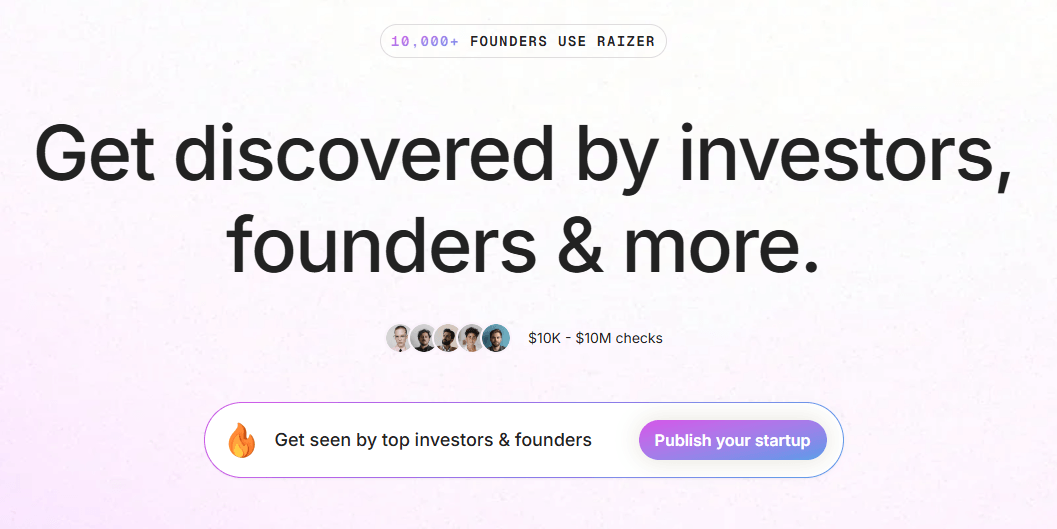
Raizer is not just a spreadsheet of venture capital contacts. The better way to understand it is as a fundraising workflow tool for founders.
The platform is designed to help startups and investors find each other, close deals, and grow faster, according to its official FAQ listing. That framing matters because Raizer serves both sides of the market: founders use it to find and contact investors, while investors can discover startup opportunities through the platform.
For founders, the core workflow appears to be:
- Create or verify a startup profile.
- Search the investor directory.
- Filter investors by relevance.
- Save prospects into lists.
- Draft or refine outreach with AI help.
- Send messages and manage responses.
- Use fundraising guidance to improve the broader process.
That is the real value. Raizer is trying to compress a messy fundraising process into something closer to a repeatable system.
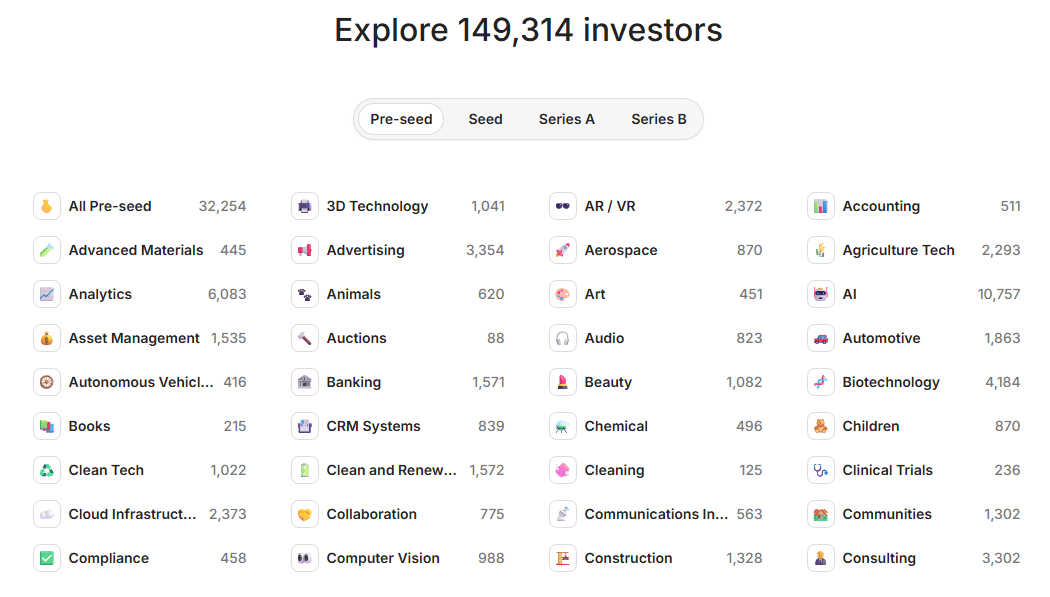
Raizer’s current public pages describe access to 55,000+ investors, which makes the database the center of the product.
Raizer offers a public startup profile layer intended to give startups more visibility and credibility with investors.
The platform includes an email AI assistant for founder outreach, making it useful when the bottleneck is writing personalized messages at scale.
Raizer’s navigation publicly references Investors, Startups, Lists, and Messages, which suggests the product is organized around prospecting and outreach management, not just discovery.
Raizer includes official fundraising education, with guidance on pitching, investor outreach, and closing deals.
Public pages describe options for promoting startups in front of investors, which gives Raizer a marketplace angle beyond direct outbound outreach.
The AI email assistant is one of Raizer’s more useful features, but it is also the feature founders should use with the most care.
Investor outreach is sensitive. A generic email can damage credibility fast. AI can help write a cleaner message, but it cannot know the founder’s full story, tone, traction, investor relationship history, or exact fundraising context unless the founder provides that information and reviews the final output.
The best use of Raizer’s AI assistant is not “write my pitch for me.” It is closer to:
“Help me turn this investor research and my startup profile into a tighter, more relevant email.”
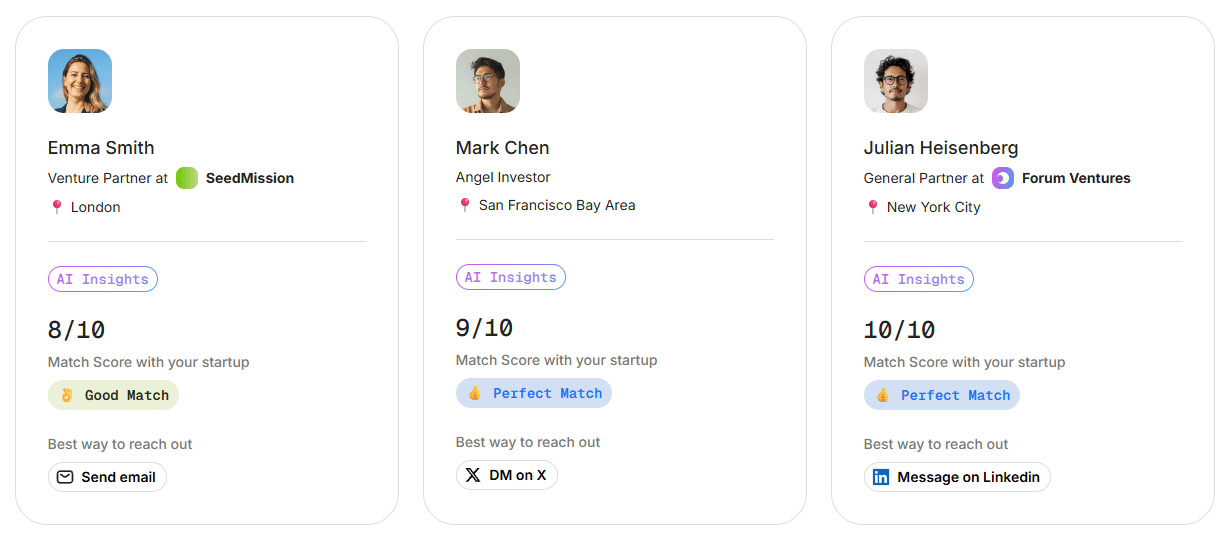
That distinction matters. Investors are used to receiving mass outreach. The emails that work usually have a clear reason for contact: portfolio fit, thesis alignment, stage match, founder background, market timing, or a relevant mutual connection. Raizer can speed up the drafting process, but the founder still needs to add judgment.
The startup profile layer is a useful part of Raizer because it gives founders somewhere to point investors besides a deck attachment or a bare landing page. Raizer’s public pages describe startup profiles as a way to add visibility and credibility.
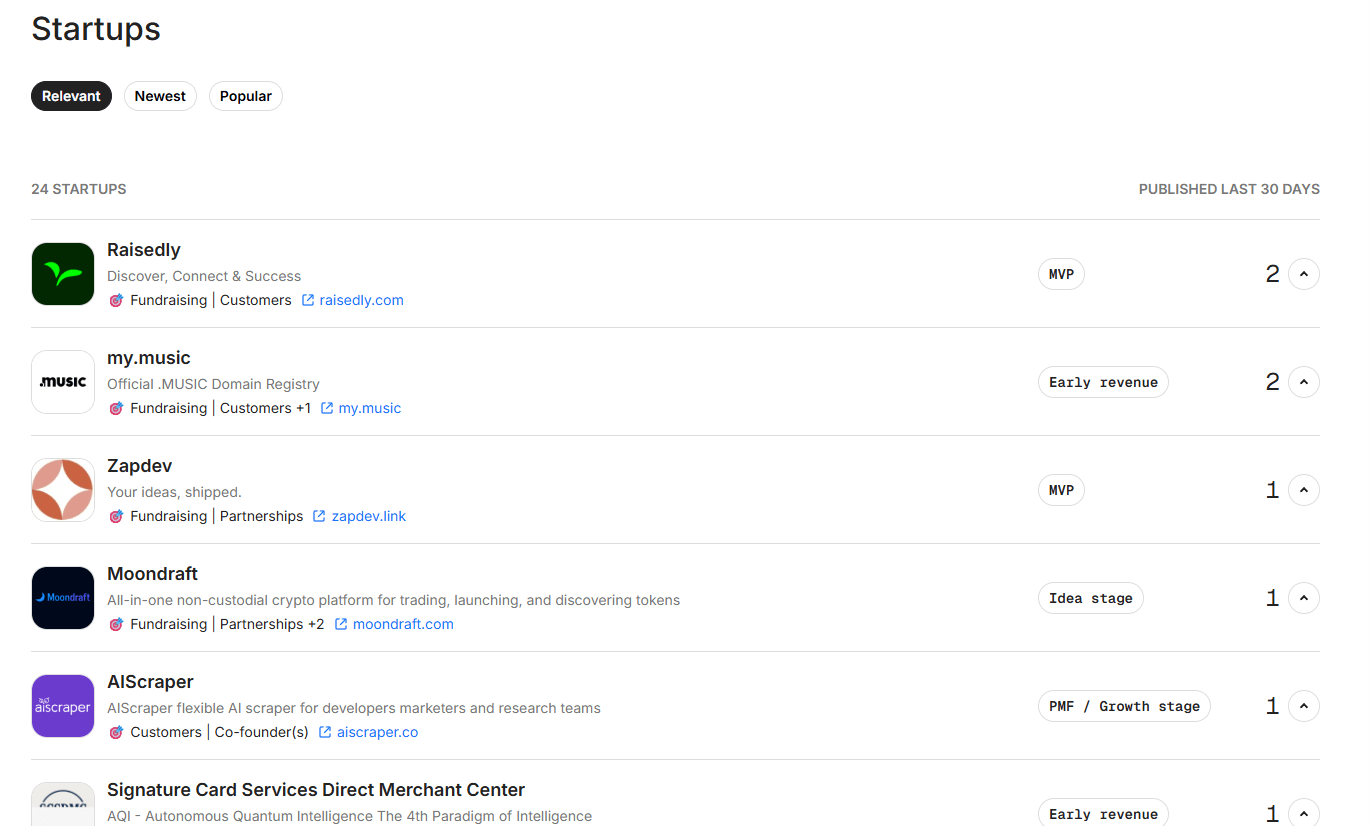
That can help in three ways.
- First, it gives investors a quick summary of what the company does.
- Second, it can make outbound messages feel less anonymous.
- Third, it supports the marketplace side of Raizer, where investors may discover startups inside the platform rather than only receiving cold outreach.
The caveat is that a profile is not a substitute for a strong fundraising narrative. The company still needs a clear market, traction story, team angle, and reason to invest now. A polished profile helps distribution. It does not create investor conviction on its own.
Raizer also publishes fundraising guidance, and this is more important than it may look at first. Its official fundraising guide is positioned around securing funding, pitching, investor outreach, and closing deals.
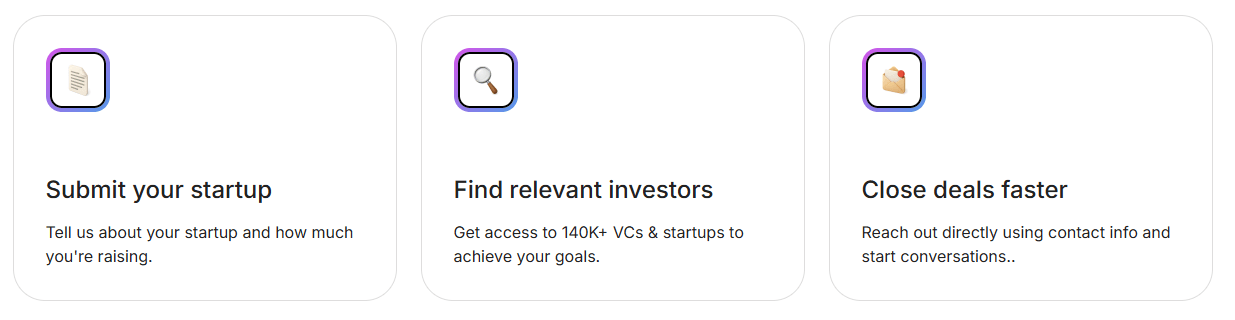
That educational layer makes sense because most first-time founders do not only need contacts. They need a process. They need to know how to define funding needs, build a clean pitch, identify the right investor type, manage follow-ups, prepare for due diligence, and communicate after the raise.
Raizer’s own blog content reinforces that fundraising is not just about getting capital. It is also about finding aligned investors, diversifying funding sources, preparing documents, and maintaining investor communication after fundraising. That is a good sign. A tool that only sells contact access can push founders toward spam. A tool that also teaches process is more useful.
Raizer works best for founders who are ready to run a real fundraising campaign, not just casually browse investors.
This is probably the clearest audience. Early-stage founders often lack investor access, and Raizer gives them a structured way to find relevant people.
If there is no dedicated fundraising operator, Raizer can centralize investor research, list building, and first-draft outreach.
Founders outside major startup hubs often need tools that reduce network dependency. Raizer can help widen the search.
The platform becomes more useful when you know your sector, stage, customer, and raise story. A vague startup will still produce vague targeting.
Founders coming out of demo days or accelerators can use Raizer to organize follow-up lists and identify investors beyond the obvious names.
Raizer’s biggest limitation is that fundraising quality still depends on founder inputs.
If the startup story is weak, the AI email assistant will not fix it. If the pitch deck is unclear, investor matching will only get you meetings that fail later. If the founder sends too many low-context messages, the database can become a faster way to do poor outreach.
There is also a data freshness question with any investor database. Investor focus changes. Funds pause deployment. Partners move firms. Stage preference shifts. Even a large directory needs verification before serious outreach. Founders should still check recent deals, portfolio pages, LinkedIn activity, and firm websites before contacting high-priority investors.
Another limitation is relationship depth. Raizer can help you find and contact investors, but it cannot replace trust. Warm introductions, founder references, accelerator networks, customer traction, and strong category insight still matter. The platform can create more shots on goal. It cannot guarantee investor belief.
- Start with a narrow investor thesis. Do not search for every investor who funds “AI” or “SaaS.” Search for investors who match your stage, market, business model, geography, and check size.
- Build several small lists instead of one giant list. For example: fintech seed funds, operator angels, climate-focused funds, ex-founder angels, and strategic investors. Smaller lists make personalization easier.
- Use the AI email assistant for structure, not final copy. Let it help with clarity and flow, then add a specific reason for reaching out.
- Verify high-priority investors manually. Check recent investments, firm pages, LinkedIn, and public posts before sending anything important.
- Do not over-automate follow-ups. A short, thoughtful follow-up often beats a polished sequence that sounds like it came from a sales automation tool.
- Keep your startup profile sharp. Investors should understand the company, market, traction, and raise status quickly.
- Treat non-responses as data. If no one replies, the issue may be targeting, timing, subject line, pitch clarity, traction, or fundraising stage.
Raizer is useful when a founder knows they need to raise but does not know which investors to approach first.
Warm intros are still ideal, but Raizer can help founders discover relevant investors outside their existing network.
The AI email assistant can help founders turn rough notes into cleaner investor messages.
Lists and messaging features make Raizer more useful than a static spreadsheet when outreach volume grows.
The guide and workflow can help founders think in terms of process instead of one-off pitching.
Founders in specific verticals can use the database to find investors whose interests match the category more closely.
Raizer will not make an unready startup fundable. If the company lacks traction, market clarity, a credible team story, or a strong reason to raise now, better outreach will not solve the core issue.
The AI assistant still needs editing. Fundraising emails should sound like the founder, not like a tool generated them. Over-polished investor emails can feel generic.
Database size is not the same as fit. Having access to many investors is useful, but the founder’s job is to reduce the list, not blast it.
Investor data should be checked before use. No database can perfectly track every investor’s current deployment status, thesis, partner movement, or interest level.
Cold outreach has natural limits. Raizer can improve the process, but founders should still prioritize warm introductions, customer proof, and relationship-building where possible.
The investor side may vary by category. Some sectors have deeper investor ecosystems than others. Founders in narrower or less fashionable markets may need more manual research alongside Raizer.
Raizer is best understood as a fundraising workflow platform for founders who need a better way to find, organize, and contact investors. Its biggest strengths are investor discovery, startup profiles, AI-assisted email outreach, fundraising guidance, and a structure that helps founders move from scattered research to a real outreach process.
It is especially useful for early-stage founders, small teams, and first-time fundraisers who do not already have a strong investor network. The main caveat is that Raizer can improve access and workflow, but it cannot replace a strong pitch, real traction, careful investor targeting, and founder-led relationship building.
TAGS: Finance
Related Tools:
Streamlines workflow and project management
Facilitates project workflow automation
Multifaceted collaboration platform

Digital whiteboard that enables teams to collaborate

Enables teams to plan, track, and manage their work

Provides tools for financial consulting