

Share this tool:
 |
Description:
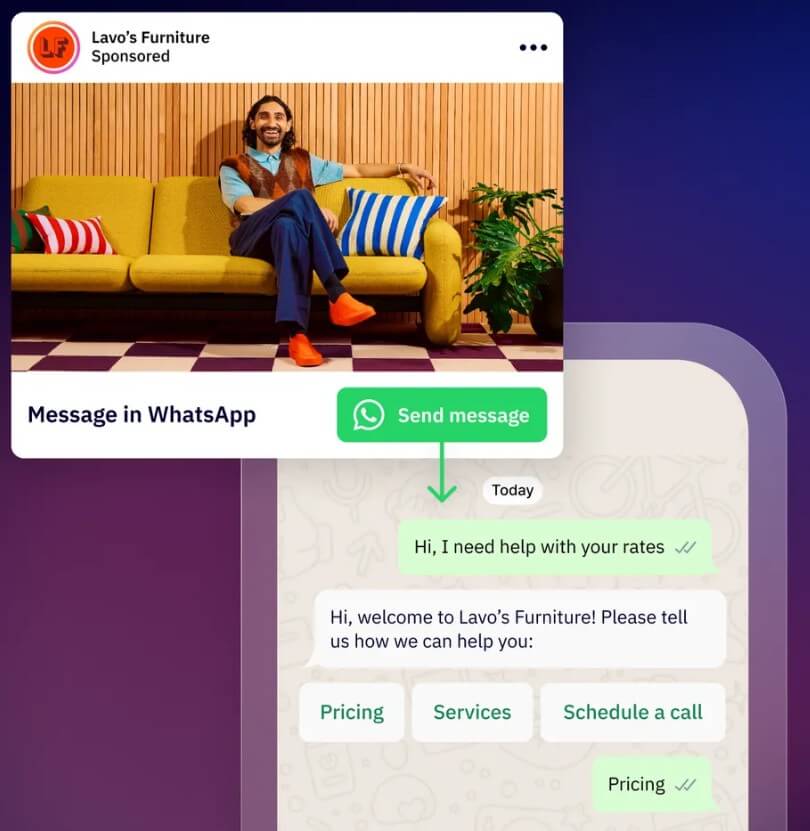
ActiveCampaign has grown well beyond the old “email tool with automations” category. The current product is positioned as an autonomous marketing platform built around Active Intelligence, with email, CRM, landing pages, segmentation, SMS, WhatsApp, and reporting connected inside one system. That matters because the platform’s value is not one feature in isolation. It is the way customer data, messaging, and follow-up logic work together.
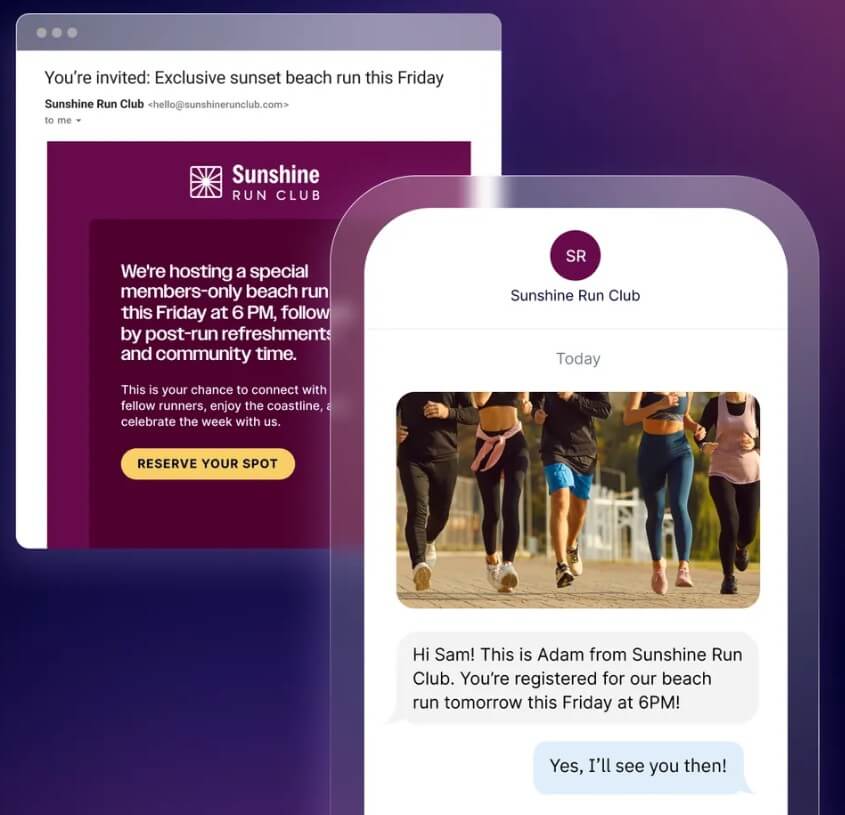
ActiveCampaign is strongest when a business needs campaigns to react to customer behavior instead of running as separate broadcasts. A contact can enter through a landing page or form, move into a segment, receive an email sequence, trigger an SMS, and create or update activity inside the CRM. The platform’s official positioning now leans heavily on AI agents and autonomous marketing, but underneath that language is the real advantage: one connected workflow for acquisition, nurture, conversion, and follow-up.
This makes ActiveCampaign a good fit for teams that have outgrown simple newsletter software. If your needs stop at occasional campaigns and basic list management, the platform may feel heavier than necessary. If you want lifecycle automation, lead qualification, pipeline movement, cross-channel messaging, and behavior-based personalization, it becomes much more interesting. The tool is not built around minimalism. It is built around depth.
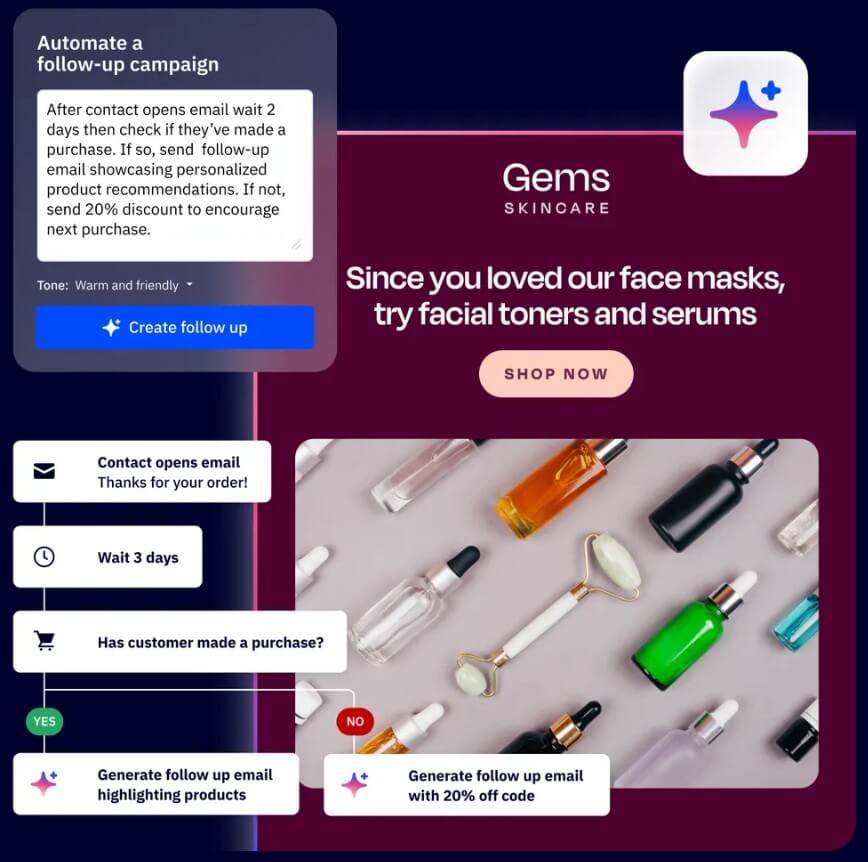
The workflow starts in a fairly familiar way: collect contacts, organize them, segment them, then build automations around what they do. Landing pages feed captured data into email campaigns, SMS and WhatsApp sequences, and automation workflows, so you do not have to stitch together a separate page builder and follow-up system unless you want to. Segmentation can be based on behavior, demographics, and purchase history, which makes the platform more useful once your audience is too broad for one-size-fits-all messaging.
The trade-off is that ActiveCampaign needs structure. Tags, fields, segments, automations, and pipeline stages can get messy if a team builds too much too early. This is not an especially hard product to navigate at the basic level, but it does become more demanding as soon as you start layering conditions, branches, scoring, and cross-channel logic. In other words, the platform is not difficult because it is badly designed. It is difficult because it can do a lot.

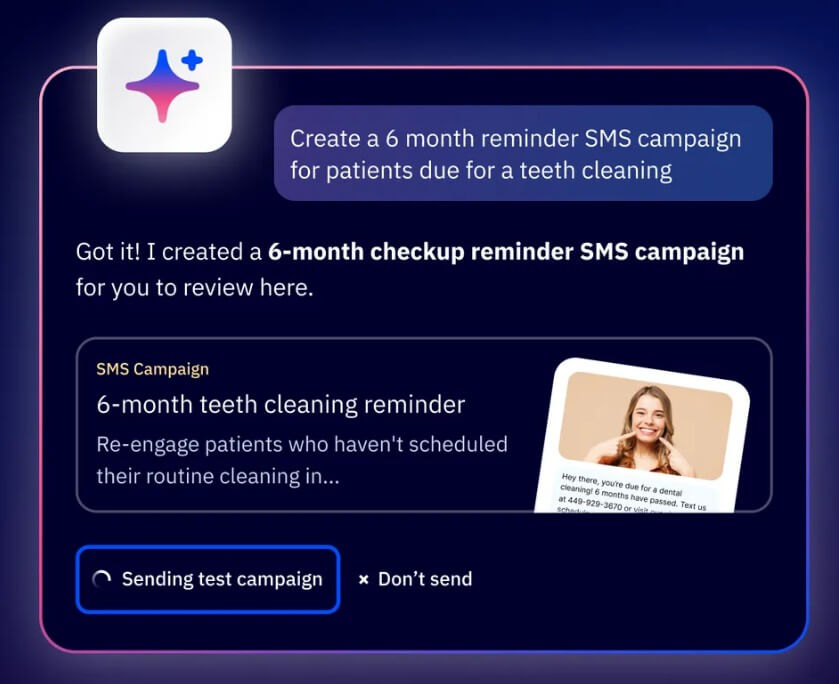
ActiveCampaign’s AI push is real. The company now puts Active Intelligence at the center of its messaging and says users can create campaigns from a single prompt, generate content and images, identify useful segments, and let AI help optimize execution. The generated campaign can include a subject line, preheader, layout, images, content, and call to action. That is useful, especially for teams that need to move faster.
Still, AI is not the main reason to use ActiveCampaign. Plenty of tools can generate email copy. ActiveCampaign becomes more compelling when that AI sits inside a system that already knows your segments, engagement history, landing pages, automations, and CRM activity. That is the difference between an AI writing feature and an AI-assisted marketing platform. It is also worth noting that ActiveCampaign’s help documentation says it does not use the data customers input about contacts or marketing content to train AI models.
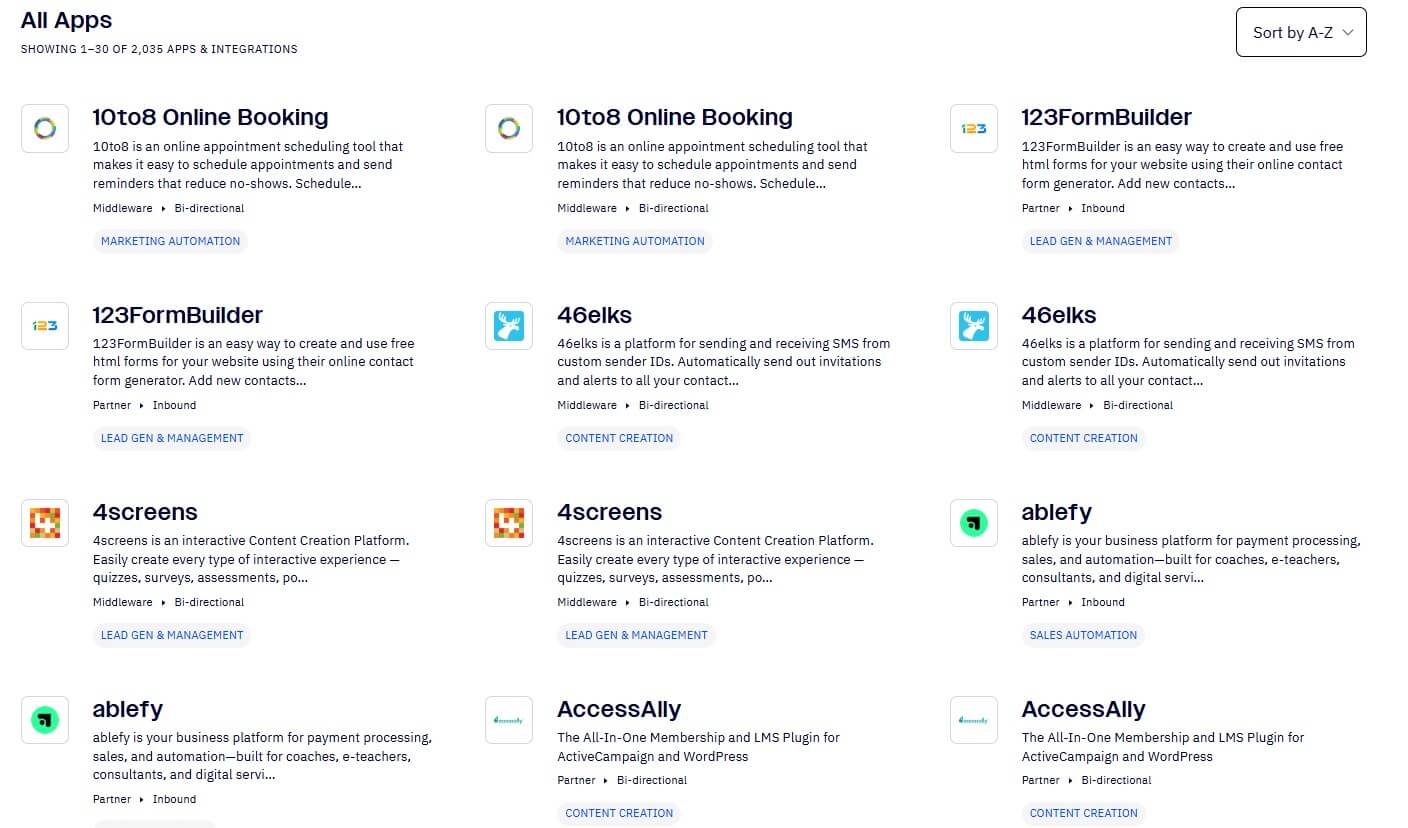
ActiveCampaign fits ecommerce brands well because it supports behavior-based messaging, reactivation, and multi-step automation. It also makes sense for B2B teams that want a CRM tied closely to lead nurture and deal movement. Agencies can get value from the platform’s repeatable workflows and large integration library, and creators or service businesses can use it for lead magnets, onboarding, reminders, and lifecycle communication. The official integrations pages say the platform connects with more than 1,000 apps, which helps when your forms, storefront, calendar, or data source lives elsewhere.
The biggest limitation is complexity. ActiveCampaign asks for planning. You will get more value from it if you know how your customer journey should work, how your tags and segments should be named, and where your sales and marketing handoffs belong. Teams that skip that planning stage can end up with a cluttered automation setup that is harder to maintain than it should be.
Another limitation is that some AI features depend on account setup and plan access, so businesses should confirm the exact tools they need before building around a specific AI workflow. Also, while the CRM is useful, companies that need deep enterprise CRM customization may still want a CRM-first system at the center of the stack. ActiveCampaign is strongest when marketing automation is the priority and CRM support is meant to work alongside it.
ActiveCampaign is best for businesses that want customer communication to behave like a connected system rather than a pile of separate campaigns.
Its strongest advantages are automation depth, shared sales and marketing context, cross-channel messaging, segmentation, and an AI layer that can speed up campaign creation and optimization without replacing the strategy underneath.
It is a strong fit for ecommerce, B2B, agencies, and lifecycle-focused teams. The main caveat is straightforward: ActiveCampaign rewards thoughtful setup, and lighter users may find it more platform than they need.
TAGS: Marketing
Related Tools:

Automates the creation of ad campaigns for effective marketing

Improves website rankings and increase conversions

Optimizes A/B tests on Webflow websites

Transforms product images into animated marketing videos

Creates videos for marketing outreach

Automates phone calls for businesses using voice agents