

Share this tool:
 |
Description:
Markopolo AI is an agent-led customer engagement platform built for eCommerce, retail, and DTC businesses. Its current positioning is focused on helping brands bring back shoppers who browse, hesitate, abandon carts, or leave checkout without buying. Instead of treating every shopper with the same reminder email, Markopolo uses behavioral signals, customer profiles, predictive scoring, and multichannel outreach to create more personalized recovery and retention journeys.
Markopolo is strongest when a commerce brand has traffic but is losing too much intent before purchase. That could mean abandoned carts, checkout drop-offs, browse abandonment, low repeat purchase rates, or weak follow-up timing.
The platform’s main idea is that every shopper should not be pushed through the same automation path. A visitor who hesitates over price needs a different message than someone comparing categories. A returning customer who browses one product family should not receive the same email as a first-time visitor who left after one page. Markopolo tries to read these differences through behavior, then choose the message, timing, and channel more intelligently.
This is where it separates itself from basic email automation. A normal cart recovery flow might send one email after an hour, then another the next day. Markopolo’s site describes AI agents that run 1:1 personalized campaigns and use journey data to decide how to bring shoppers back. It also emphasizes customer lifecycle marketing, from first-time visitor to loyal shopper.
The strongest fit is not a brand that only needs occasional newsletters. Markopolo is more relevant for stores with enough traffic and customer behavior data to make personalization useful.
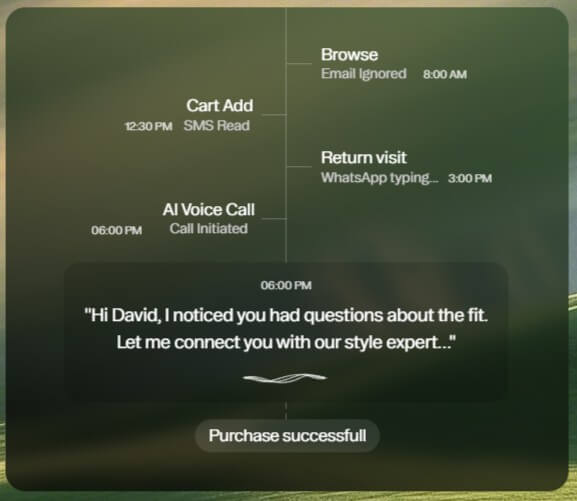
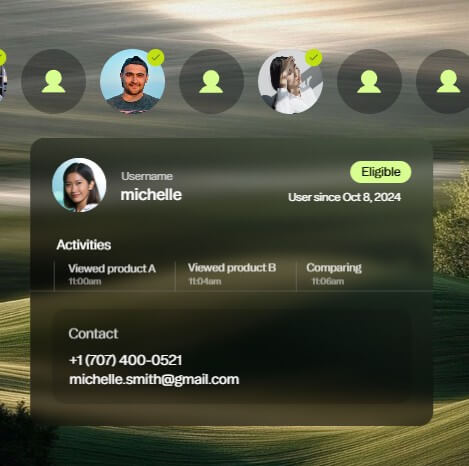
Markopolo’s workflow starts with tracking and customer data. The platform needs to understand who is browsing, what they are doing, where they hesitate, and which signals suggest intent or churn risk. Once that data is flowing, the system can build journeys around behavior instead of only static list segments.
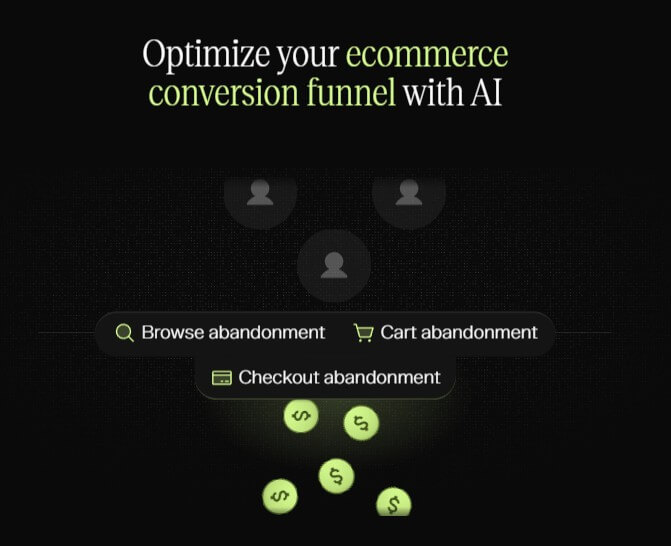
The homepage points to several practical funnel areas: browse abandonment, cart abandonment, and checkout abandonment. These are the right places to focus because they map directly to revenue leakage. A visitor has already shown some intent. The job is not to create demand from nothing, but to respond while the shopper is still warm.
The product also leans into customer journey orchestration. On its event and audience campaign page, Markopolo describes event-triggered journeys, audience-based campaigns, behavioral triggers, and multi-step journeys with conditional logic. That matters for brands that have outgrown one-size-fits-all automation but do not want to manually design every edge case.
Still, this kind of platform is only as useful as the setup. Store data, product feeds, customer events, channel permissions, and campaign rules need to be handled carefully. A brand that installs the tool without thinking through customer journeys may not get the full value.
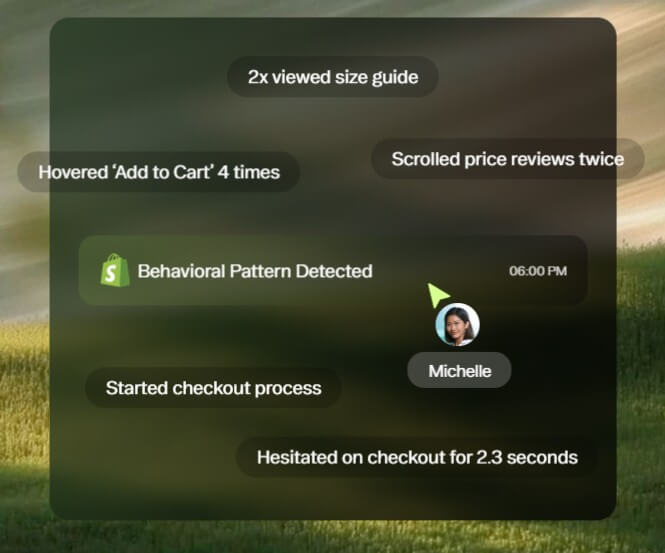
Markopolo’s biggest claim is not that it sends messages. Many platforms can do that. Its value is in choosing the right customer, message, moment, and channel.
The 1:1 personalization page describes “segment-of-one” marketing, behavioral clustering, and individual journeys that adapt in real time. That is the right direction for eCommerce, where two customers can look similar in a CRM but behave differently on-site.
Channel choice is also important. Some customers respond to email. Others prefer WhatsApp or SMS. Some high-intent situations may justify AI voice workflows, while lower-intent browsing may need softer content. Markopolo’s current pages and Shopify listing repeatedly position the product around multichannel engagement across email, SMS, WhatsApp, push, and AI voice.
This is useful, but it also creates responsibility. More channels can mean more relevance, but also more risk of irritating customers. The best brands will use Markopolo to reduce generic noise, not to increase pressure on every shopper.
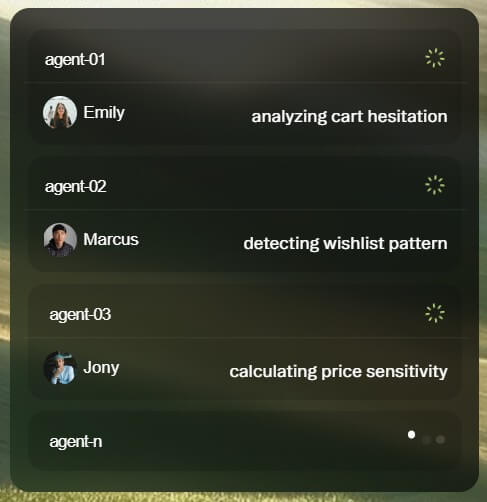
One of Markopolo’s more ambitious areas is predictive behavior. Its visitor identification page says the system predicts shopping behavior before it happens using browser-based behavioral signals, including micro-behaviors like cursor movement, scrolling, hesitation points, and tab switching patterns. It also describes use cases such as cart abandonment prevention, purchase intent detection, and browse pattern forecasting.
This is powerful when used carefully. If a brand can identify hesitation before a visitor leaves, it can intervene with help, reassurance, a product recommendation, social proof, or a better offer. But predictive systems should be judged by real outcomes, not only by claimed accuracy. Teams should compare recovered revenue, complaint rates, unsubscribe behavior, margin impact, and long-term customer quality.
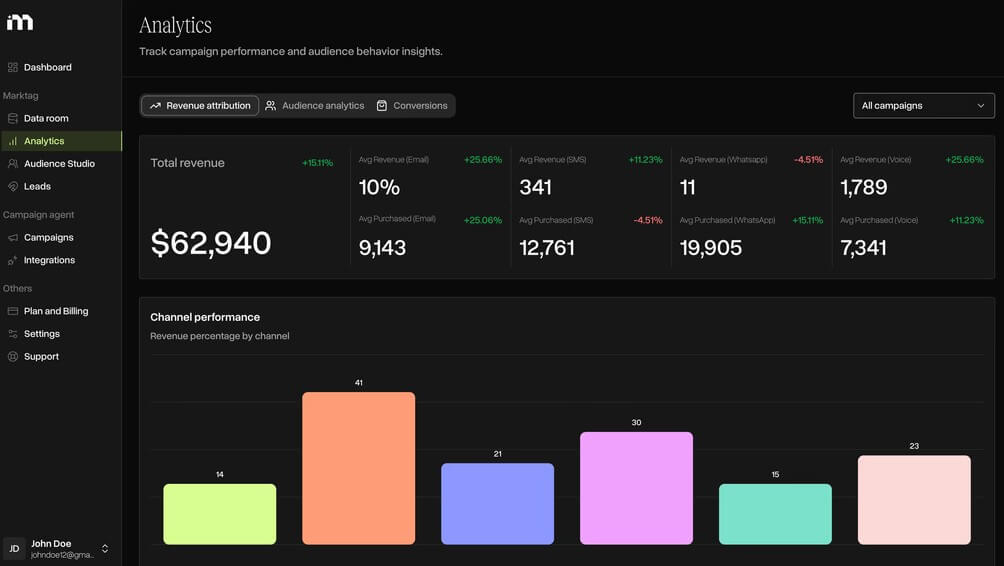
- Abandoned cart recovery: This is Markopolo’s clearest use case. Brands with meaningful cart abandonment can use it to run more personalized recovery journeys across multiple channels.
- Browse abandonment: If shoppers view products but do not add to cart, Markopolo can help trigger product reminders, recommendations, or softer re-engagement.
- Checkout recovery: Checkout drop-off often means the shopper had strong intent. Markopolo is useful when teams want faster, more tailored follow-up at this stage.
- DTC personalization: Brands with repeat purchase cycles can use unified profiles, behavioral analysis, and product recommendations to improve lifecycle engagement.
- Shopify stores: The Shopify app listing makes Markopolo especially relevant for Shopify merchants looking for AI-assisted recovery and multichannel customer engagement.
- Retention and repeat purchase: Markopolo’s personalization engine can support post-purchase journeys, replenishment nudges, preference-based recommendations, and reactivation.
- Start with one revenue leak. Do not automate every lifecycle stage at once. Cart abandonment or checkout abandonment is usually easier to measure.
- Keep messages helpful. A good recovery message should answer a likely hesitation, not just push a discount.
- Use channel rules carefully. SMS, WhatsApp, and voice can feel personal, but they can also feel intrusive if used too aggressively.
- Track more than recovered revenue. Watch unsubscribe rates, complaints, repeat purchase quality, margin, and customer satisfaction.
- Review the AI content. Personalization should still match brand voice, compliance rules, offer limits, and customer expectations.
- Markopolo’s main limitation is complexity. The product makes the most sense for brands with enough traffic, events, and customer data to benefit from AI-driven personalization. A small store with low traffic may not see the same value as a larger DTC brand with frequent browsing and cart activity.
- The second trade-off is control. AI-led journeys can save time, but marketing teams still need to monitor what gets sent, when it gets sent, and how customers respond. Automation should not become a black box.
- There is also a customer-experience risk. Multichannel recovery can improve timing, but too many touchpoints can feel pushy. Brands need clear frequency limits and respectful opt-out handling.
Markopolo AI is best for eCommerce, retail, and DTC brands that already have traffic and want smarter recovery, personalization, and customer engagement across email, SMS, WhatsApp, push, and AI voice.
Its strongest value is using behavioral intelligence and AI agents to respond to shopper intent in real time.
The main caveat is discipline. Markopolo can make customer journeys more personal, but teams still need to manage channel pressure, message quality, and performance carefully.
TAGS: Marketing
Related Tools:

Simplifies the creation of high-converting pages

Improves website rankings and increase conversions

Transforms basic product photos into high-quality images

Enables users to create precise 2D and 3D drawings

Helps quickly develop content marketing plans

Specializes in creating realistic product photos