

Share this tool:
 |
Description:
Hautech AI is a visual generative AI platform for commerce teams, with a strong focus on fashion, apparel, beauty, accessories, and retail product imagery. Its main promise is simple: take existing product photos, flat lays, model shots, or customer images, then generate polished visuals that would normally require a studio shoot, models, retouching, and production coordination. The tool is not just an image generator. It is closer to an AI content-production layer for brands that need product visuals at scale.
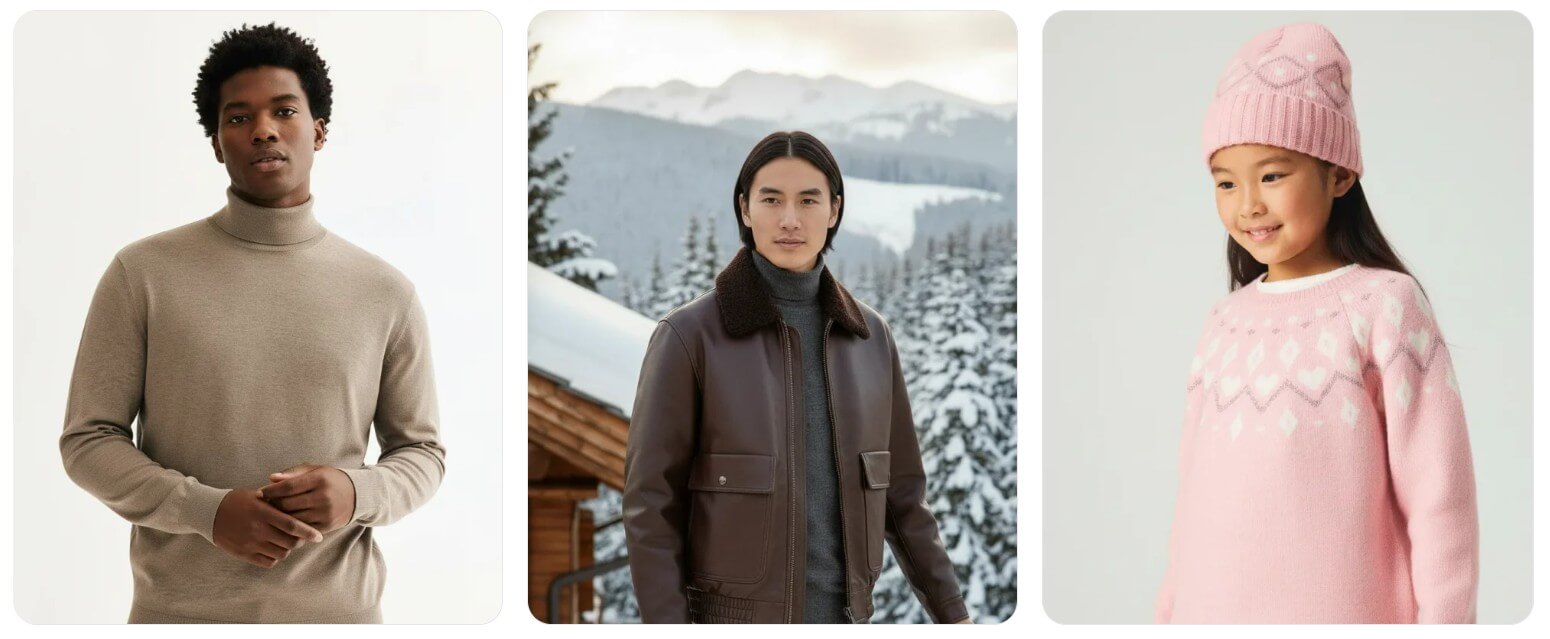
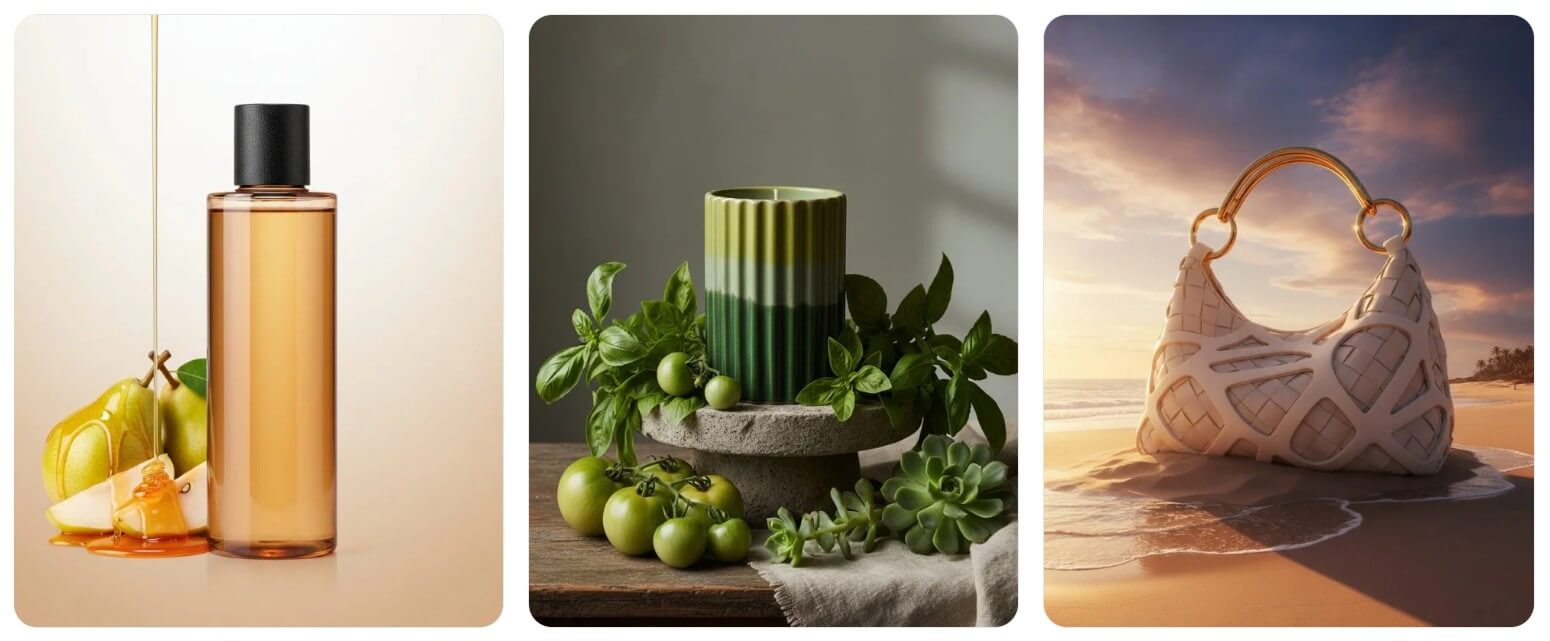
| Feature | Practical value |
|---|---|
| AI Generated Models | Turns product images, flat lays, or quick photos into on-model ecommerce visuals. |
| Virtual Try-On | Lets shoppers or brands place apparel onto real customer photos or model images. |
| Model Swap | Replaces the human model in an existing image while preserving lighting, scene, and product fit. |
| AI Product Photography | Creates product visuals from a single photo, including templates and batch-style workflows. |
| Studio | Self-service web tool for creating visuals without technical setup. |
| API, Widget, and Liana | Supports deeper ecommerce integrations, plug-in try-on experiences, and automated node-based workflows. |
The main advantage is that Hautech AI covers several visual-commerce problems in one place. A team can generate on-model visuals, localize model representation, create product photography, experiment with videos, and connect the workflow through API or front-end components.
Hautech AI helps brands create commercial visuals using AI models, product photography, virtual try-on, model swapping, digital twins, and short brand videos. The homepage groups its solutions around Virtual Try-On, Digital Twins, AI Generated Models, Model Swap, AI Product Photography, Brand Videos, and UGC-style videos. It also offers several ways to use the technology: Studio for self-serve creation, API for technical integration, Liana for node-based workflows, and a Widget for adding try-on or on-model visuals to ecommerce sites.
That structure matters. Some AI image tools are built for broad creative experimentation. Hautech AI is narrower and more operational. It is aimed at product pages, campaigns, marketplace listings, ecommerce testing, catalog updates, and brand content. A small seller might use Studio to generate on-model photos from product images. A larger retailer might use the API or Widget to embed virtual try-on or automate catalog visuals.
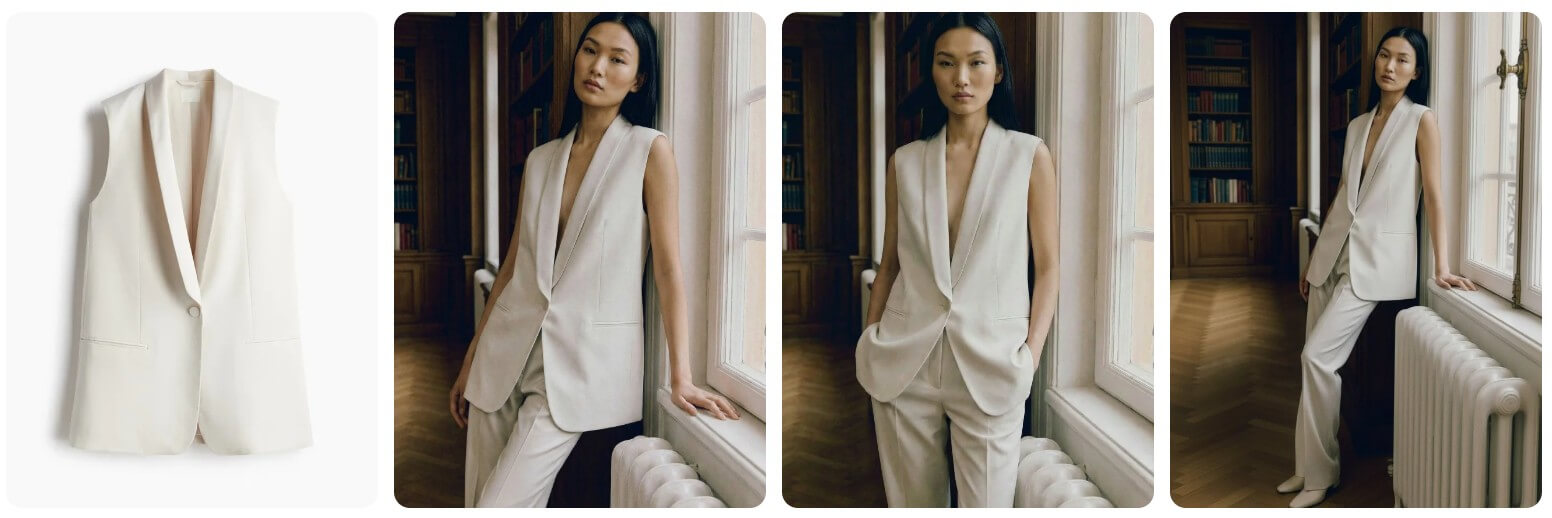
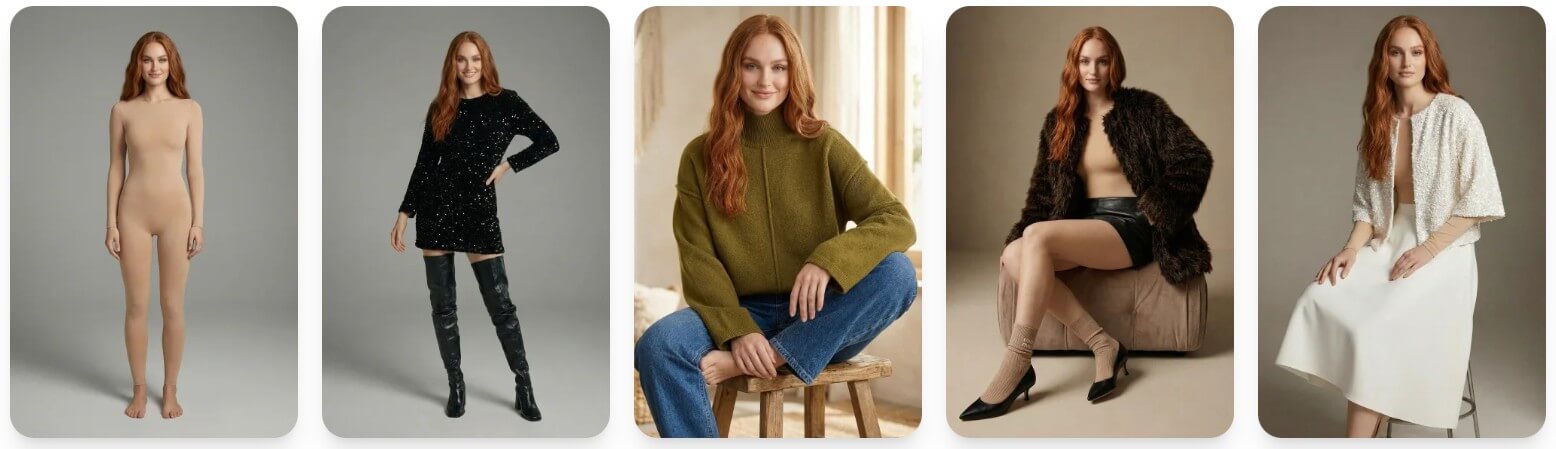
Hautech AI is strongest when a brand already has products but lacks enough good visuals to sell them well. This is common in fashion and ecommerce. A product may exist as a flat lay, a basic smartphone image, a ghost mannequin photo, or an old catalog shot. Hautech AI’s AI Generated Models solution is designed to turn those inputs into on-model visuals featuring hyper-realistic AI models.
The strongest use case is not one-off creative play. It is visual scaling. A brand may need the same jacket shown on different models, in different backgrounds, across different regional campaigns, and in formats suitable for a product page, ad, and social post. Traditional production makes that expensive and slow. Hautech AI tries to compress that process into a repeatable workflow.
The AI Generated Models feature is the part most fashion sellers will understand first. Upload a product image, choose a model direction, and generate a more finished fashion visual. Hautech says this can work from a quick mobile shot or flat lay, which is useful for smaller sellers that do not always have studio-grade source images.
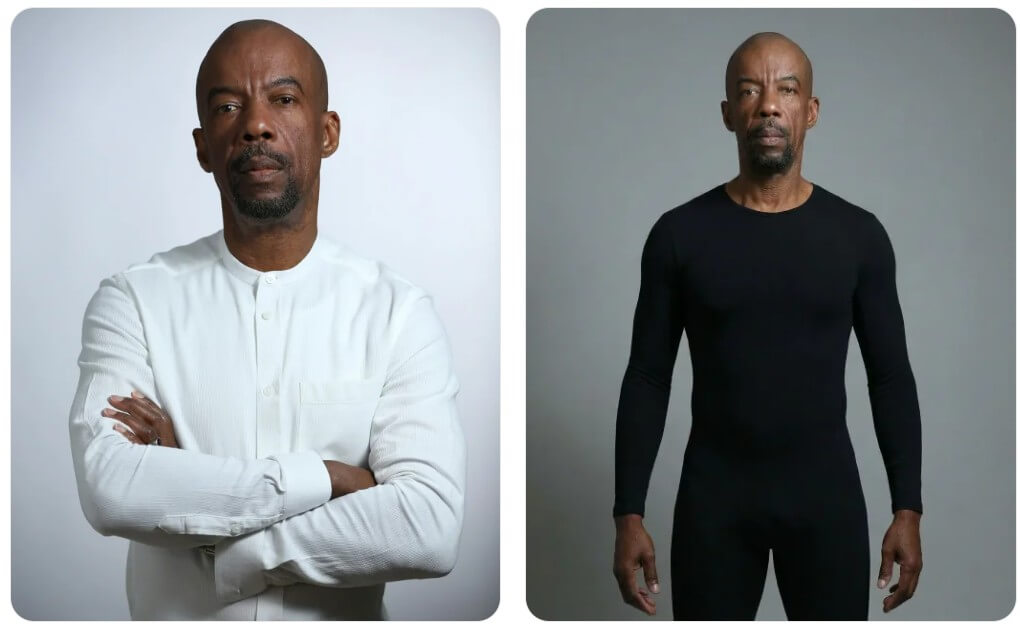
Model Swap is more specific. It is useful when the photo already works but the model does not match the brand, market, size range, or campaign direction. Hautech describes this feature as replacing the model while preserving the original lighting, scene, and product fit. That is important because many AI edits fail by changing the garment too much. For ecommerce, the product must stay accurate.
This is where Hautech AI’s commerce focus matters. A generic image generator may create attractive fashion images, but it can drift from the real product. In retail, that is a serious problem. Colors, fabric behavior, silhouette, print placement, and fit all need to stay close to the item being sold.
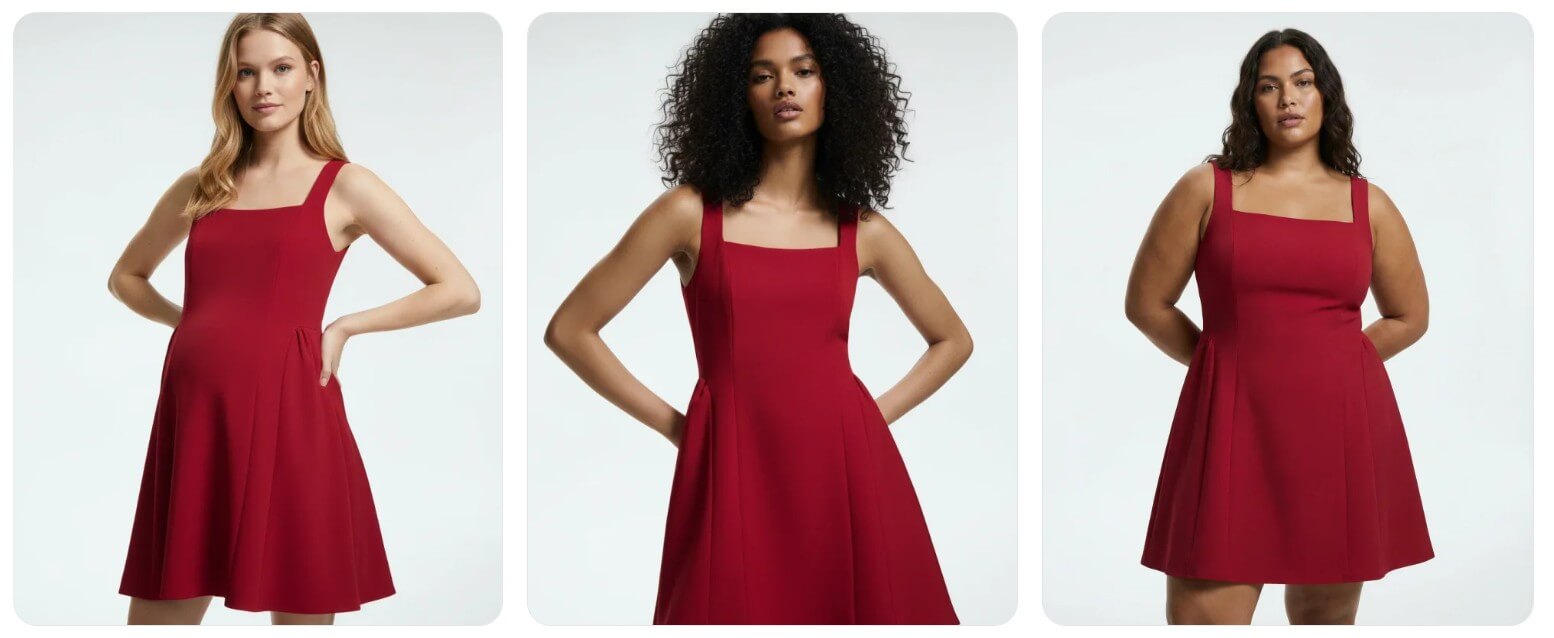
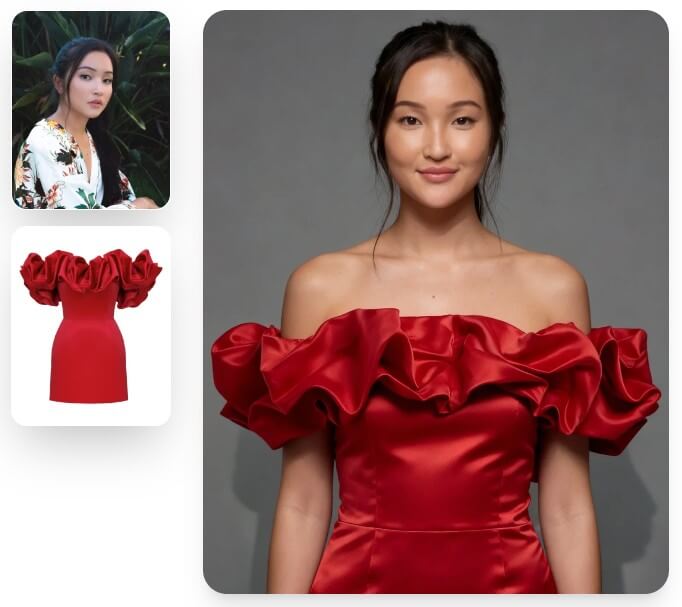
The Virtual Try-On feature is aimed at a different part of the buyer journey. Instead of only producing marketing assets, it lets customers or brands see how apparel looks on a person. Hautech says its VTON works with flat lays, on-model shots, and ghost mannequin renders, and that it can accept customer photos, including imperfect selfies, then generate try-on results.
Digital Twins add another layer. Hautech describes them as virtual models created from a single photo, with consistent identity across many generations. For ecommerce, this can be useful when a brand wants repeatable visuals with the same model look across a catalog, campaign, or try-on experience.
The practical value is personalization and consistency. A shopper may want to see clothes on a body closer to their own. A brand may want a stable digital model that appears across multiple SKUs without scheduling new shoots. Both ideas are useful, but they also require careful quality control. Try-on images must not overpromise fit, and digital models should support accurate product presentation rather than distort expectations.
Hautech AI’s product structure gives users different entry points. Studio is the easiest starting point. It is a self-service web tool for creating product visuals, AI model images, model swaps, product cards, and export-ready assets. It is aimed at small brands, independent retailers, designers, and creators who need quick visual updates without technical setup.
The API is for teams that want Hautech inside their own systems. Hautech describes it as a production-ready API for generating images and videos for apparel, cosmetics, and accessories, with webhooks, status polling, and global infrastructure. That fits ecommerce platforms, catalog teams, marketplaces, and apps that need automated visual generation rather than manual uploads.
The Widget is the front-end option. It is designed as a plug-and-play component for adding virtual try-on or on-model visuals to a website, with customizable UI and real-time generation. Liana is more workflow-oriented, using a node-based editor to design and automate multi-step generation pipelines.
Hautech AI is a strong fit for fashion brands that need more visual coverage across products, sizes, models, and campaigns. It is especially useful for ecommerce stores, marketplaces, dropshippers, fashion startups, apparel brands, accessories sellers, beauty brands, and agencies that produce product content for retail clients.
It also fits teams that need localized imagery. Model Swap can help show products on different model types for different markets while preserving the same product scene. Product Photography can help create more listing variations from basic input images. The Widget can support try-on experiences directly on ecommerce sites.
The biggest limitation is accuracy risk. Fashion visuals are not like abstract AI art. If the AI changes fabric texture, garment length, color, print scale, drape, or fit, the image may look good but misrepresent the product. Brands should review outputs carefully before using them on product detail pages.
The second trade-off is source-image dependence. Hautech can work from different input types, but better source images will usually make review easier. Clean product photos, clear garment boundaries, and accurate color references still matter.
The third limitation is workflow discipline. A brand can generate many visual variations quickly, but that does not mean every variation should be published. Teams still need rules for approved models, backgrounds, retouching standards, image usage, legal review, and channel-specific quality checks.
Hautech AI is best for ecommerce and fashion teams that need to scale visual content without running a full photoshoot for every product, campaign, or market. Its strongest value is the combination of AI generated models, virtual try-on, model swap, product photography, Studio access, API integration, and front-end Widget deployment. The main caveat is product accuracy. Hautech AI can speed up visual production, but brands still need a careful review process to make sure every generated image represents the real item honestly and consistently.
TAGS: Productivity Photo Editing
Related Tools:

Advanced accounting software for small-medium businesses

Transforms ideas into professional designs

Transforms fashion product photos into studio-quality images

Matches candidates with relevant opportunities

Streamlines the grading process for educators

Optimizes learning by enabling smart note-taking